
What is a fallen chestnut? Origin and etymology
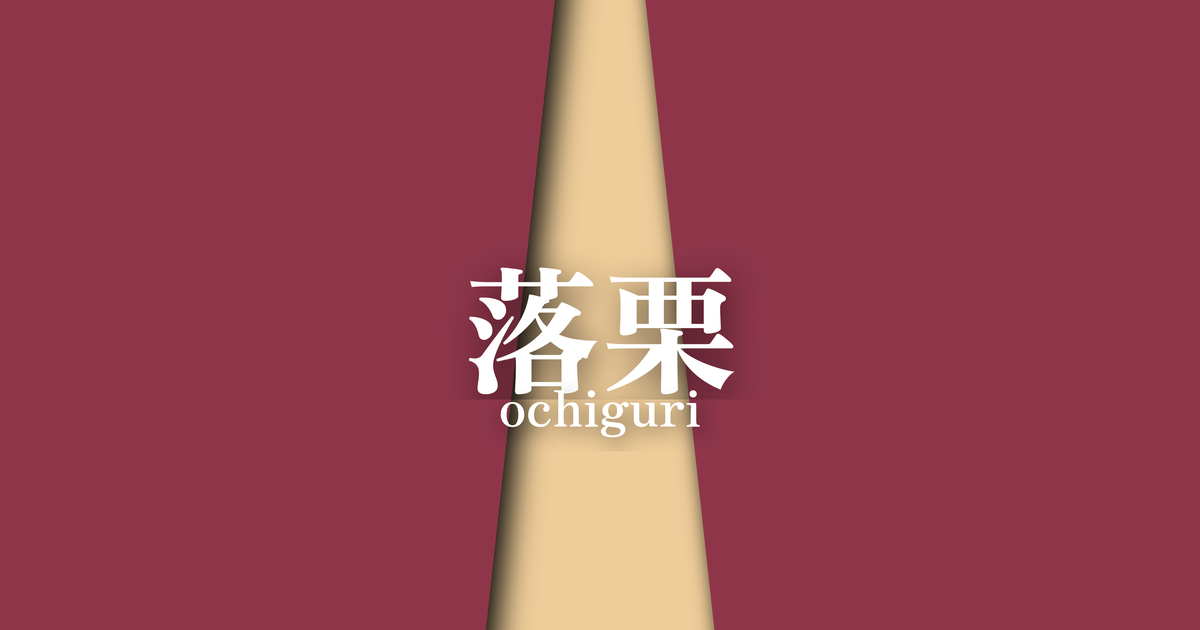
Ochiguri (fallen chestnuts), as its name suggests, is a color combination that represents chestnuts that have ripened in autumn and fallen to the ground. The "Suou" used on the outer layer evokes the deep reddish-brown of the hard outer shell of the chestnut, while the "Ko-iro" on the inner layer is reminiscent of the pale yellowish-brown of the inner skin and the nut inside. This color scheme skillfully captures the abundance of autumn harvest and the tranquil natural scenery before the arrival of winter.
This color scheme, which captures the beauty of natural landscapes with a delicate sense of color in its garments, is one example of the refined aesthetic sensibilities of the Heian aristocracy.
Historical background of fallen chestnuts
The layered color scheme is a uniquely Japanese color culture that developed during the Heian period as the national culture matured. It was an important element in expressing the sense of the seasons in the attire such as the uchiki worn by women of the imperial court. Ochiguri (fallen chestnut) is a color that represents autumn and is mentioned in clothing treatises such as the Masasuke Shōzoku Shō. Although there are not many records of specific people who wore it, it is said to have been a favorite color of the ladies of the imperial court during the late autumn season.
This color scheme, which embodies gratitude for nature's bounty and reflections on the passing seasons, was popular among the aristocracy of the time.
Related literature, waka poetry, and seasonal words
While there aren't many stories that directly feature the color of fallen chestnuts, many Heian period literary works depict autumn scenes that evoke this color. In works like "The Tale of Genji" and "The Pillow Book," a delicate sensitivity to the changing seasons is expressed along with autumn leaves and the sounds of insects, and the color of fallen chestnuts can be seen as an expression of the aesthetic sensibility nurtured within such a literary background.
In particular, the melancholic feeling of autumn (mono no aware) and the appreciation for the richness of nature resonate with the deep, calming colors of fallen chestnuts.
Even my heart, at this age when I gather chestnuts in the deep mountains, is weeping?
The season and scenery of falling chestnuts
The color "Ochiguri" (fallen chestnut) heralds the deepening of autumn, and is considered most appropriate to wear from September to October in the old lunar calendar, or from late October to around November in the current calendar. It symbolizes the late autumn scenery of leaves falling from the trees and chestnuts rolling around in the mountain villages. The color evokes a quiet and tranquil atmosphere after the splendor of the harvest season has passed. It expresses a gentle and profound sense of the season, as if cherishing the last blessings that nature provides as the signs of winter approach.
Color scheme proposal for fallen chestnuts
Kutsuha color (#917347)
The withered leaf color, also representative of autumn, evokes the image of fallen leaves. When combined with fallen chestnuts, it creates an even deeper autumnal atmosphere and a unified, calm color scheme.
Indigo (#274A78)
The deep indigo color, reminiscent of a clear autumn night sky, creates a beautiful contrast with the warm hues of fallen chestnuts. The colors complement each other, resulting in a combination that gives an intelligent and sophisticated impression.
White training (#FFFFFF)
The pure white adds brightness and cleanliness to the rich, deep color of the fallen chestnut. The contrast is striking, bringing a modern lightness to the traditional color scheme.
Practical Scenes
During the Heian period, this color combination was used in the layering of the uchigi, a type of court lady's attire, to express the feeling of autumn. The contrasting colors of the outer layer (safflower red) and the inner layer (incense red) peeking out from the cuffs and hem created an elegant color gradation. In modern Japanese clothing, incorporating this color scheme into kimonos, obi sashes, obi ties, and han-eri collars can create a refined and serene autumn look.
Beyond traditional Japanese clothing, the chestnut color scheme can be applied to a variety of designs. In interior design, using it in cushion covers, rugs, and curtains brings a warm and calming atmosphere to a room. In web and graphic design, it is effective for content themed around the autumn season or when you want to express a traditional feel, and it can be used as a color scheme to create depth and a sense of luxury.