
| Japanese color name | Shallow |
|---|---|
| reading | asaban |
| season | 夏 |
| Color of the table | Asagi |
| Back color | Purple (murasaki) |
What is "Asaban"? Origin and etymology
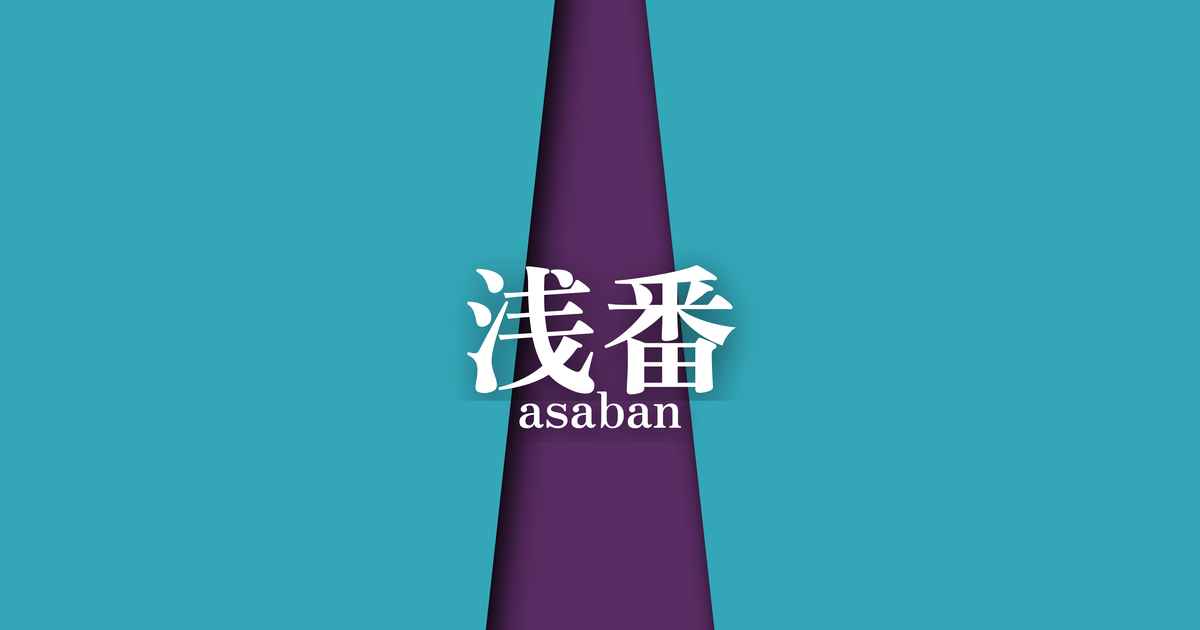
"Asaban" is also written as "Asaban," and its etymology is said to originate from the scene of the morning after an overnight shift at the imperial palace. The light blue color used on the front evokes the clear sky and cool waterside of a summer morning. On the other hand, the purple on the back is said to represent the dawn sky with lingering traces of night and the morning mist that hangs in the air. This combination of two colors skillfully captures the refreshing and cool atmosphere of a summer morning, revealing the keen aesthetic sense of the Heian aristocracy.
This color scheme perfectly exemplifies the characteristic of layered color combinations, which symbolically represent natural landscapes and times of day through color. It's not simply about layering beautiful colors; by imbuing the color scheme with stories and scenes, it also served to demonstrate the wearer's refinement and sensibility. The lighter shades can be said to have originated from a sophisticated sensibility, finding a touch of coolness amidst the summer heat.
Historical background of Asanban
The concept of layered colors (kasane no irome) is a color culture established in aristocratic society during the Heian period, a time when Japanese culture flourished. It was a particularly important element in the formal attire of women, such as the twelve-layered kimono (junihitoe), used to delicately express the changing seasons. By combining the colors of the outer and inner fabrics of garments, or the colors of layered clothing, the beauty of nature in each season was incorporated into their attire.
"Asaban" was one of the representative color combinations for summer among the many layered color schemes. It is thought to have been worn on various occasions, such as court ceremonies and private banquets. In the hot and humid summer climate, this color scheme, which visually creates a sense of coolness, is presumed to have been accepted as something pleasant by the people of that time. Although there are not many specific records of its wear, it is a valuable cultural heritage that shows the sense of color deeply rooted in the lives of Heian aristocrats.
Related literature, waka poetry, and seasonal words
It is difficult to pinpoint a famous classical literary work in which the color name "asaban" (light blue) directly appears. However, Heian period literature such as "The Tale of Genji" and "The Pillow Book" frequently depict characters wearing clothing in colors appropriate to the season, conveying the richness of the color culture of the time. For example, in summer scenes, garments in "asagi" (light blue) and fabrics in "purple" were effectively used, playing a role in expressing the scenery and the feelings of the characters.
Through these works, we can glimpse how much importance Heian aristocrats placed on color and how much they valued the sense of the seasons. "Asaban" is also a product of the aesthetic sense nurtured within the worldview depicted in such literary works, and it will help us imagine the sense of color of that time when reading classical literature.
The season and scenery of Asaban
"Asaban" is a color combination used in summer. It is considered most appropriate to wear during the peak of summer, roughly from June to August in the modern calendar, which corresponds to the period from April to June in the old lunar calendar. During this time, the plants and trees grow densely and the sunlight becomes strong, so people sought coolness in their attire.
The light blue on the front evokes the summer sky and clear streams, while the purple on the back suggests the deeper parts of the water's surface and the shadows of dawn and dusk, creating an overall cool scene by the water's edge. This refreshing color scheme, which seems to alleviate the summer heat, gave a pleasant impression to both the viewer and the wearer. It is thought that this color combination was used in a variety of summer occasions, from public events at the imperial court to private, refined gatherings.
Light color scheme proposal
White training (#FFFFFF)
The refreshing combination of light blue and purple, enhanced by the pure white of shiron, creates an even greater sense of cleanliness and coolness. It evokes the morning mist and clouds of summer, emphasizing a refreshing impression. This color scheme also harmonizes well with modern Japanese clothing and designs.
Light green (#A9D159)
The light blue of the asagi and the fresh green of the sprouts evoke the vibrant life of summer plants. Purple acts as a striking accent, creating a lively color scheme reminiscent of a natural landscape. It's a combination that gives an active impression.
Golden brown (#C3842C)
Combining cool tones like light blue and purple with warm tones like golden brown adds vibrancy and depth. The color scheme evokes the light of a summer evening or the colors of dry earth, creating a calm yet noble impression.
Practical Scenes
In Heian period attire, this color was primarily worn as a summer robe. It is believed that ladies-in-waiting serving in the imperial court chose this color as a sign of their refined sensibilities and ability to accurately express the seasons. The cool, refreshing color was likely favored not only in public settings such as ceremonies but also in private settings such as poetry gatherings.
Even in modern kimonos and Japanese accessories, the "asaban" color scheme remains popular for summer wear. Incorporating this color combination into yukata sashes, collars, and obi ties creates a stylish and cool impression. It's also interesting to apply this to Western clothingコーディネートs.
In interior design, using this color scheme for cushion covers, curtains, and table linens can bring a refreshing and calming atmosphere to the entire room. It's also an effective color scheme for graphic design, such as websites and advertisements, when creating content themed around summer and a sense of coolness.