
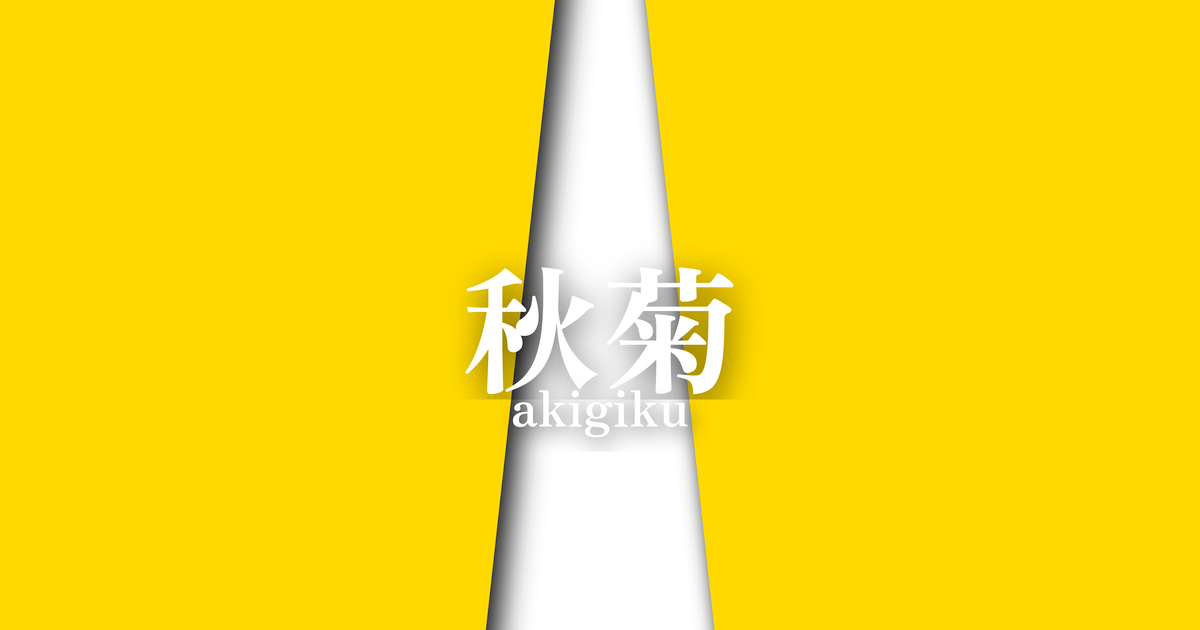
| Japanese color name | Autumn chrysanthemum |
|---|---|
| reading | akigiku |
| season | 秋 |
| Color of the table | Yellow (ki) |
| Back color | White (shiro) |
What is autumn chrysanthemum? Origin and etymology
Autumn Chrysanthemum is a color combination that represents the white chrysanthemum that blooms in autumn. As the name suggests, it is said to be derived from the chrysanthemum, a representative flower of autumn. The bright yellow on the outside represents the color of the chrysanthemum flower, while the white on the inside is thought to symbolize the petals of the white chrysanthemum itself, the first frost that falls on the flower, or pure dew. This color combination beautifully captures the noble beauty and vibrant vitality of the chrysanthemum that blooms proudly in the clear autumn air, and is one of the color combinations that reflects the view of nature of the Heian aristocracy.
Historical background of autumn chrysanthemums
During the Heian period, chrysanthemums, introduced from China, were considered a noble flower, symbolizing medicinal properties and longevity, and were deeply cherished in the imperial court. In particular, the Choyo Festival on the 9th day of the 9th month of the lunar calendar was also known as the "Chrysanthemum Festival," and a "Chrysanthemum Banquet" was held where people drank sake infused with chrysanthemum petals to pray for longevity. Against this backdrop, clothing and colors featuring chrysanthemums played an important role in expressing the feeling of autumn.
It is said that the "autumn chrysanthemum" color scheme was worn by nobles as a sophisticated attire that anticipated the coming season, both during court ceremonies and in everyday life.
Related literature, waka poetry, and seasonal words
In Heian period literature, chrysanthemums frequently appear as a flower symbolizing autumn. In "The Pillow Book," they are listed as representative autumn flowers: "Among the wildflowers, the carnation is lovely. The Chinese variety is especially beautiful, but the Japanese variety is also wonderful. Patrinia, bellflower, morning glory, kale, and chrysanthemum." Furthermore, in the "Young Girl" chapter of "The Tale of Genji," there is a scene depicting chrysanthemums decorating an autumn banquet hosted by Hikaru Genji, showing how closely chrysanthemums were associated with the lives and aesthetic sensibilities of the aristocracy.
Although the color name "Autumn Chrysanthemum" is not directly found, it is thought that the scenes of chrysanthemums depicted in these literary works shaped the aesthetic sensibilities behind this color.
I wonder if I should break it off, just as the first frost has confused the white chrysanthemum blossoms.
Autumn chrysanthemum season and scenery
"Autumn Chrysanthemum," as the name suggests, is a color scheme worn in autumn. It is especially considered appropriate from around the time of the Choyo Festival (the 9th day of the 9th month in the old lunar calendar) through late autumn. This color scheme evokes the pure and elegant scene of white chrysanthemums blooming under the clear autumn sky. The sight of white chrysanthemums glistening with morning dew or the first frost evokes a sense of poignant beauty, while also carrying the auspicious meaning of warding off evil spirits and wishing for longevity, which is why it was likely favored at autumn celebrations.
Autumn chrysanthemum color scheme suggestion
Dark color (#522F5B)
A deep purple reminiscent of chrysanthemum leaves or the autumn night sky. Yellow and purple are close to complementary colors, vividly enhancing each other's beauty. This color scheme gives a noble and elegant impression, similar to that seen in Heian period attire.
Suou (#9E3D3F)
A deep red reminiscent of autumn foliage. Combined with yellow, it expresses the abundance and splendor of a bountiful autumn harvest. The warm colors create a sense of unity, giving a warm and elegant impression.
Brown (#276299)
A bright blue reminiscent of a clear autumn sky. The beautiful contrast with the vibrant yellow creates a refreshing and sophisticated impression. It's a clean and refined color scheme that evokes a natural landscape.
Practical Scenes
In traditional Japanese clothing, the "autumn chrysanthemum" color scheme is used in autumn-themed formal kimonos, casual kimonos, and obi sashes, creating an outfit full of seasonal charm. In modern design, its elegant and bright color scheme can be used in a variety of fields. For example, using it as an accent color on a website gives it a sophisticated, Japanese feel. In interior design, incorporating it into cushion covers or tablecloths can bring an autumnal warmth and brightness to a room.