
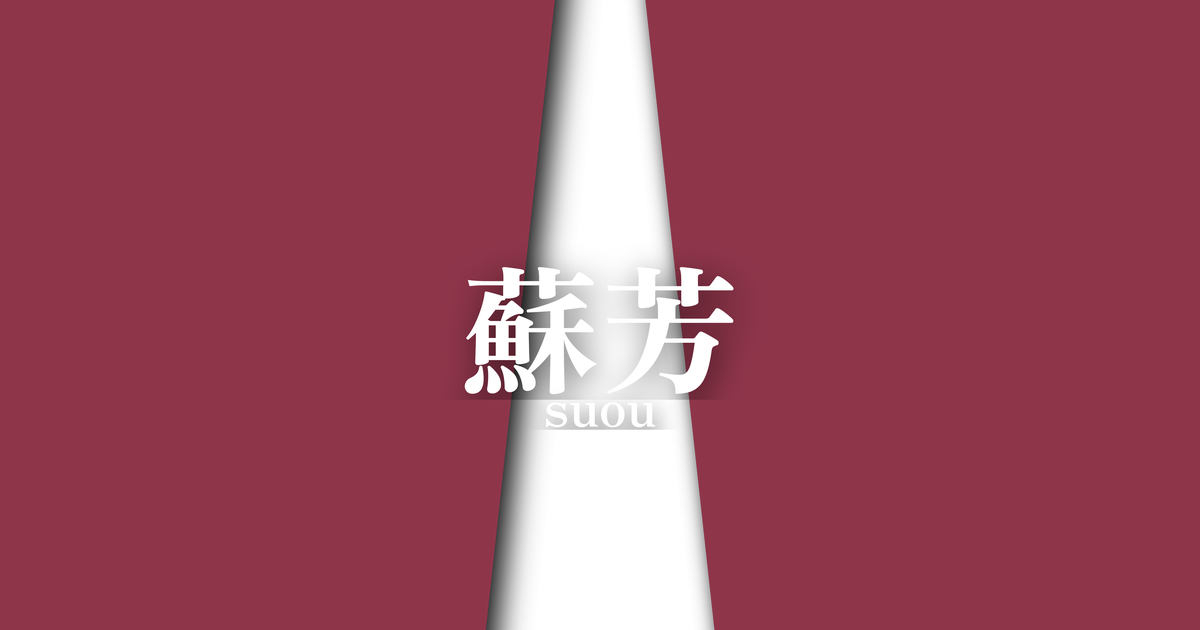
| Japanese color name | Suou |
|---|---|
| reading | suou |
| season | Miscellaneous (year-round/celebratory) |
| Color of the table | Suou |
| Back color | White (shiro) |
What is Suou? Origin and etymology
The color name "Suou" originates from the legume plant "Suou," which was used as a dye. The dye solution obtained by boiling the heartwood of this plant has been highly valued as a red dye since ancient times. Depending on the type of mordant used, it was possible to produce a wide range of shades, from purplish red to dark red. In the context of layered clothing, "Suou" refers to the deep reddish-purple color achieved with this dye.
The "Suou" color combination in traditional Japanese kimono ensembles features a deep sappanwood color on the outer layer and a pure white lining. This color scheme is not limited to a specific season and can be worn year-round. However, due to its dignified and vibrant hue, it was often used for celebratory occasions and rituals, and was beloved by Heian-era aristocrats as a color symbolizing auspicious events.
Historical background of Suou
During the Heian period, the color dyed with sappanwood was considered a noble color, and its use was strictly controlled. At times, it was treated as a color akin to a "forbidden color," meaning that only the emperor and those of certain social status were permitted to wear it. Therefore, wearing sappanwood clothing was a symbol of high status and authority.
It was often worn at important public occasions such as ceremonies and banquets in the imperial court. For example, it was chosen to add appropriate formality and splendor to ceremonies celebrating life milestones such as coming of age or investiture. The white lining further enhanced the deep red color of the outer fabric, emphasizing a celebratory impression.
Related literature, waka poetry, and seasonal words
Classical Heian period literature, such as "The Tale of Genji" and "The Pillow Book," features numerous characters dressed in garments of the color "safflower." Often depicted as the attire of characters of high social standing, it serves as an important element in conveying the character's dignity and beauty, or the splendor of the scene, to the reader. For example, it is described as the color of the trousers worn by Hikaru Genji at celebratory banquets, bringing a rich and colorful atmosphere to the stories.
In the world of Japanese poetry, the color name "suou" (a type of reddish-brown) is rarely used directly, but related colors such as "kurenai" (crimson) and "murasaki" (purple) are frequently used as symbols of passionate love and nobility. These poems provide indirect clues to understanding the cultural background and aesthetic sensibilities associated with the color suou.
The season and scenery of sappanwood
"Suou" is classified as a "miscellaneous" color and does not represent a specific season, so it can be worn throughout the year. However, its deep and vibrant hue was considered most suitable for special occasions such as celebrations and ceremonies. While it is a reddish color that evokes vitality and passion, it also possesses a calming, purplish undertone, thus simultaneously expressing an atmosphere of solemnity and celebration.
In nature, this color is reminiscent of the ripe fruit and some autumn foliage. The white on the reverse side evokes winter snow and pure light, and its contrast with the madder red on the front enhances the beauty of both colors. This combination was used to create a bright and dignified atmosphere, regardless of the season.
Suou's color scheme proposal
Light green (#A9D159)
The vibrant, fresh green of the new leaves adds vitality and a cheerful impression to the dignified elegance of the sappanwood. This traditional combination, also seen in Heian period attire, is suitable for creating a classical yet vibrant atmosphere.
Indigo (#264348)
The deep, intellectual indigo color complements the reddish hue of the sappanwood while creating an overall calm and dignified impression. This color scheme is effective in conveying dignity and trustworthiness in men's attire and modern formal designs.
Gold (#E6B422)
The brilliant gold color brings out the noble image of sappanwood to the fullest, creating a luxurious and opulent atmosphere. This combination is ideal for creating an extraordinary and special feeling, such as for crafts or special costume designs for celebratory occasions.
Practical Scenes
In Heian period attire, "sappanwood" (suzō) was used for people of high social standing, regardless of gender. This color was used in various garments, such as the uchiki and karaginu for women, and the noushi and sashinuki for men. It was primarily worn at formal occasions such as ceremonies and banquets where formality was highly valued.
In modern times, the combination of "sappanwood" (Suou) and reddish-brown (Sou) is utilized in the color schemes of kimonos, obi sashes, and Japanese accessories. Furthermore, due to its traditional and dignified image, it is also applied to Japanese-style interiors, packaging designs, and website theme colors. When combined with white or gold, it effectively creates a sense of luxury and exclusivity.