
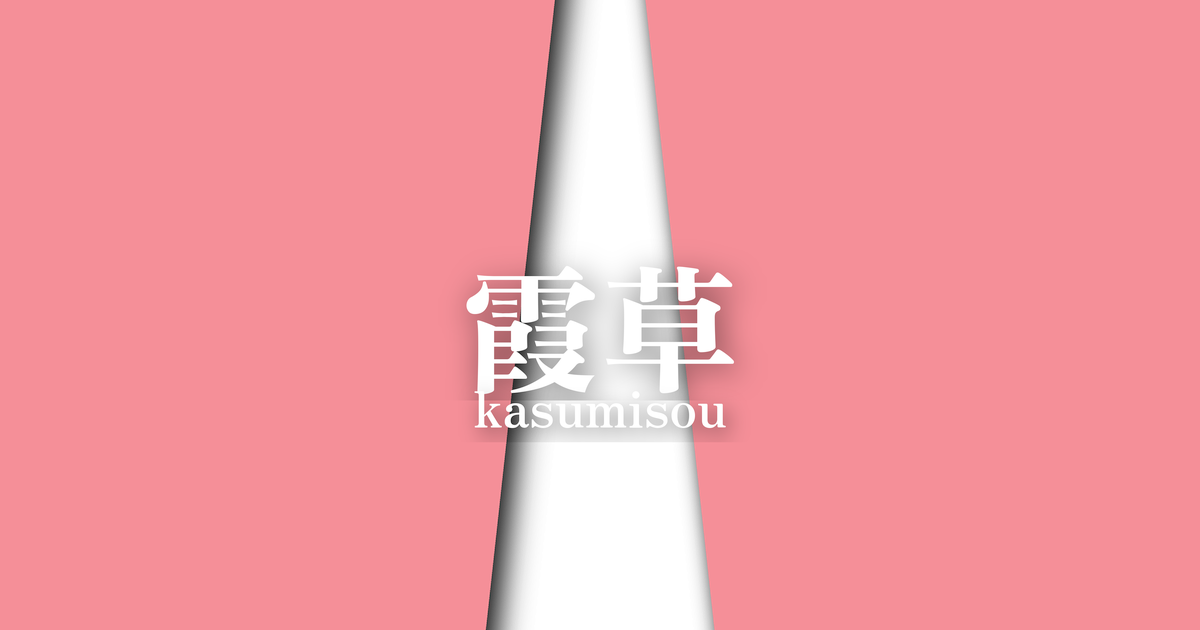
| Japanese color name | Hagusa |
|---|---|
| reading | kasumisou |
| season | 春 |
| Color of the table | Light pink (momoiro) |
| Back color | White (shiro) |
What is Kasumisou (baby's eye flower)? Origin and etymology
"Kasumisou" (baby's grass) is a color combination that reflects the scenery of spring. Its name is thought to originate from the "mist" that hangs over the spring sky and the "flowers" that bloom faintly within it. The light pink on the outside is said to symbolize the colors of mountain cherry blossoms and plum blossoms seen through the mist, or the sky dyed in the morning light. The white on the inside is interpreted as representing the mist itself, the small white flowers blooming on the still-chilly earth, or the feeling of pure air.
This combination of two colors skillfully expresses a soft, dreamlike landscape that heralds the arrival of spring.
While there are few documents that directly record its etymology, it is undoubtedly an expression of the Heian aristocracy's aesthetic sense, which captured the natural landscape with keen sensitivity and entrusted it to the colors of their clothing. The way they expressed the ambiguous, formless natural phenomenon of mist with the delicate colors of pale pink and white reveals traditional Japanese aesthetics. A culture that keenly sensed the changing seasons and incorporated them into daily life is the background to the creation of this elegant color scheme.
Historical background of baby's breath
During the Heian period, the colors of clothing were an important element in aristocratic society, reflecting an individual's education and sensibilities. "Kasane no Irome" (layered color combinations) were sophisticated rules for expressing the seasons and formed the foundation of aesthetic sensibilities in court life. Particular importance was placed on the color gradations visible from the cuffs and hems when women wore multiple layers of uchiki (a type of kimono).
Spring colors like "baby's eye" are presumed to have been worn at spring events such as New Year's celebrations, cherry blossom viewing parties, and winding stream banquets. Expressing the joy of spring's arrival through the colors of one's attire was one of the pleasures of courtiers. These colors would have made the wearer appear elegant and dignified in the gentle spring sunlight.
Related literature, waka poetry, and seasonal words
"Mist" has long been an important seasonal word symbolizing spring in the world of Japanese poetry, and has been featured in many poems. The Manyoshu and Kokin Wakashu contain numerous poems that describe how spring mist covers mountains and fields, making the scenery appear fantastical. This literary background deepens the aesthetic appreciation for the color "kasumigusa" (bamboo grass).
Heian period literature such as "The Tale of Genji" and "The Pillow Book" frequently depict characters wearing beautiful seasonal attire. Although the name "gypsophila" (baby's gypsophila) doesn't appear directly, the pale pink hues of "pale cherry blossoms" and "red plum blossoms" depicted in spring scenes resonate with the seasonal feeling associated with gypsophila. Through these literary works, we can catch a glimpse of the emotions that people of that time entrusted to this color.
Even though I gaze upon the cherry blossoms on the mountain shrouded in spring mist, I still find myself unable to tire of them, you too.
The season and scenery of baby's breath
"Kasumisou" (baby's grass) is a color scheme worn in spring, especially from the beginning of spring (early February) until around April when the cherry blossoms are in full bloom. It represents the early spring landscape where a spring mist hangs in the air, making everything appear hazy. The combination of light pink on the outside and white on the inside evokes images of mountain cherry blossoms blooming beyond the mist, or wildflowers sprouting from the snow-covered earth.
This color scheme symbolizes the joy of spring, when life begins to flourish again after the harsh winter, and evokes a calm and gentle atmosphere. Therefore, it is suitable for festive occasions celebrating the arrival of spring, such as New Year's greetings, plum blossom viewing, and cherry blossom viewing parties. It gives the wearer a youthful yet dignified impression.
Color scheme proposal for baby's breath
Light green (#A9D159)
The fresh green color of young grass sprouting in spring, when combined with the pale pink of baby's breath, completes a vibrant spring scene. This color combination was also a staple in Heian period attire, giving a youthful and fresh impression.
Wisteria color (#BBADDE)
The pale purple, reminiscent of wisteria blossoms, harmonizes with light pink, creating an elegant and refined atmosphere. It evokes the feeling of late spring to early summer, resulting in a calm and sophisticated color scheme.
Willow color (#A8C97F)
The willow green color, reminiscent of willow leaves swaying in the spring breeze, pairs well with the delicate hues of baby's breath. It creates a natural and tranquil impression, forming a natural color scheme that evokes the scenery of spring fields and mountains.
Practical Scenes
In traditional Japanese clothing, incorporating the "baby's eye" color scheme into formal kimonos, casual kimonos, or accessories such as obiage (sash ties) and obijime (sash cords) creates an elegant and spring-like look. It is especially suitable for celebratory occasions such as tea ceremonies, theater performances, and entrance ceremonies during the cherry blossom season. By coordinating the entire outfit in soft tones, the elegance is further enhanced.
In modern lifestyles, incorporating this color scheme into interior design creates a bright and soft atmosphere throughout a room. Using it in curtains, cushions, and wallpaper can create a pleasant, spring-like space. Furthermore, it can be used as a key color for brands that want to convey a gentle and feminine impression in websites and graphic design.