
| Japanese color name | blue |
|---|---|
| reading | seihaku |
| season | 夏 |
| Color of the table | Azure (seiheki) |
| Back color | White (shiro) |
What does "Ao-heki" mean? Origin and etymology
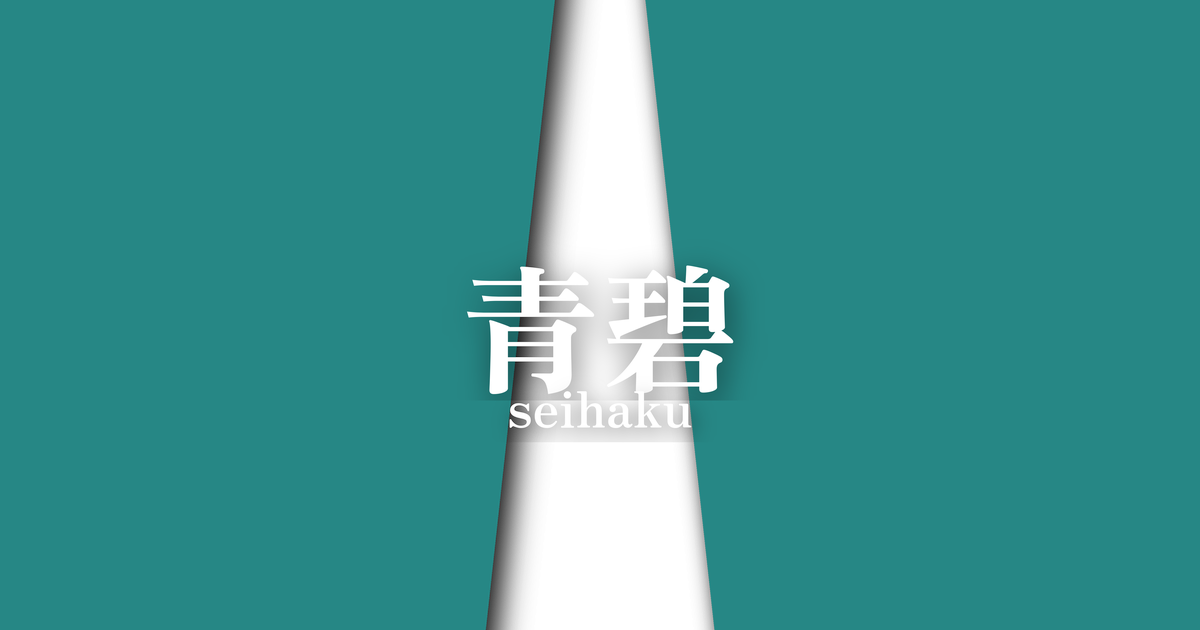
"Seiheki" is a color name referring to a deep, clear blue-green, and it is a color combination that reflects the natural scenery of summer. Its etymology literally comes from combining the words "blue" and "heki," suggesting the deep, beautiful color of water or the color of lush leaves. In the Heian period, aristocrats expressed the changing seasons by incorporating such natural colors into their clothing, competing to showcase their aesthetic sensibilities.
This color scheme features a deep blue on the front and white on the back. This combination evokes images of the clear, deep surface of a pool under the strong summer sun, or a cool breeze blowing through the lush green leaves of trees. It is believed that this color scheme originated from the refined sensibilities of the Heian aristocracy, who sought a breath of coolness amidst the summer heat.
The historical background of the blue-green
During the Heian period, the colors of clothing were not merely decorative, but an important means of expressing the wearer's education, social status, and sense of the season. A sophisticated color system called "kasane no irome" (layered color combinations) was developed, and aristocrats used different colors of clothing according to the season and occasion. "Ao-boku" (blue-green) is one of the representative summer colors that developed within this culture.
It is presumed that clothing in this color scheme was worn on various occasions, such as summer court ceremonies and private banquets. In particular, this color combination, which gives a cool and intellectual impression, was likely highly valued as formal summer attire. Existing picture scrolls and other artifacts offer a glimpse into how skillfully people of that time incorporated natural colors into their clothing.
Related literature, waka poetry, and seasonal words
The color name "sei-boku" (青碧) does not appear directly in classical literature such as "The Tale of Genji" or "The Pillow Book" very often. However, the summer scenes depicted in these works, such as descriptions of "blue abyss" and "green trees," resonate with the aesthetic sensibilities that people of that time likely associated with this color.
The colors of the clothing worn by the characters in a story often symbolize their feelings or the atmosphere of the scene. When cool, blue-green clothing is depicted in a summer scene, it's possible that the author had a color like "azure" in mind, and it served to convey a sense of the season and coolness to the reader.
The season and scenery of deep blue
"Ao-boku" (青碧) is a color combination that strongly reflects the feeling of summer. It is considered most appropriate to wear from April to June in the old lunar calendar, or from late May to around August in the current calendar. It expresses the vibrant nature of summer, especially the deep, clear water and the color of the vigorously growing leaves of trees.
The deep blue on the front symbolizes the rich green of summer and the color of water, while the white on the back represents light reflecting on the water's surface, a cool breeze, or the white clouds of summer. This refreshing color scheme visually evokes coolness and was a wise choice for comfortably enduring the hot and humid Japanese summer. Attire in these colors must have looked especially beautiful at summer banquets and moon-viewing gatherings.
A blue-green color scheme proposal
Light blue (asagi-iro) (#00A3AF)
By combining the deep blue with a light blue-green color, a harmonious gradation of light and dark tones is created. This evokes the flow and depth of water in summer, giving a cool and calm impression. The combination of similar colors was also favored in Heian period attire.
Golden color (#E6B422)
Adding a shimmering golden hue to the deep blue hues enhances the sense of luxury and elegance. The color scheme evokes the sparkle of strong summer sunlight reflecting on the water's surface. Even in modern design, this combination effectively complements each other's colors.
Grayish-white (#E9E4D4)
The vibrant blue-green is complemented by a soft, calming gray-white, creating a sophisticated and modern impression. This combination, reminiscent of summer morning mist or the cool tones of stone, brings a sense of cleanliness and elegance to interiors and web designs.
Practical Scenes
During the Heian period, "sei-boku" (blue-green) was primarily used for summer clothing. It is thought to have been seen in the layering of uchiki (outer robes) for female court attendants, and in the noshi (formal court robe) and kariginu (hunting robe) for male court attendants. Its cool and elegant hue was favored in a wide range of situations, from official ceremonies to private gatherings.
In modern Japanese clothing, incorporating "blue-green" into summer kimonos, yukatas, obi sashes, obi ties, and other accessories can create a stylish and seasonal look. Designs featuring white patterns on blue-green fabrics, or vice versa, are visually refreshing and leave a positive impression on those around you.
"Blue-green" can also be used in the fields of fashion, interior design, and web design. The deep blue-green gives a sense of calm and depth to a space, and when combined with white, it creates a clean and open feeling. It is particularly effective as an accent color in bedrooms where you want to relax or in studies where you want to concentrate.