
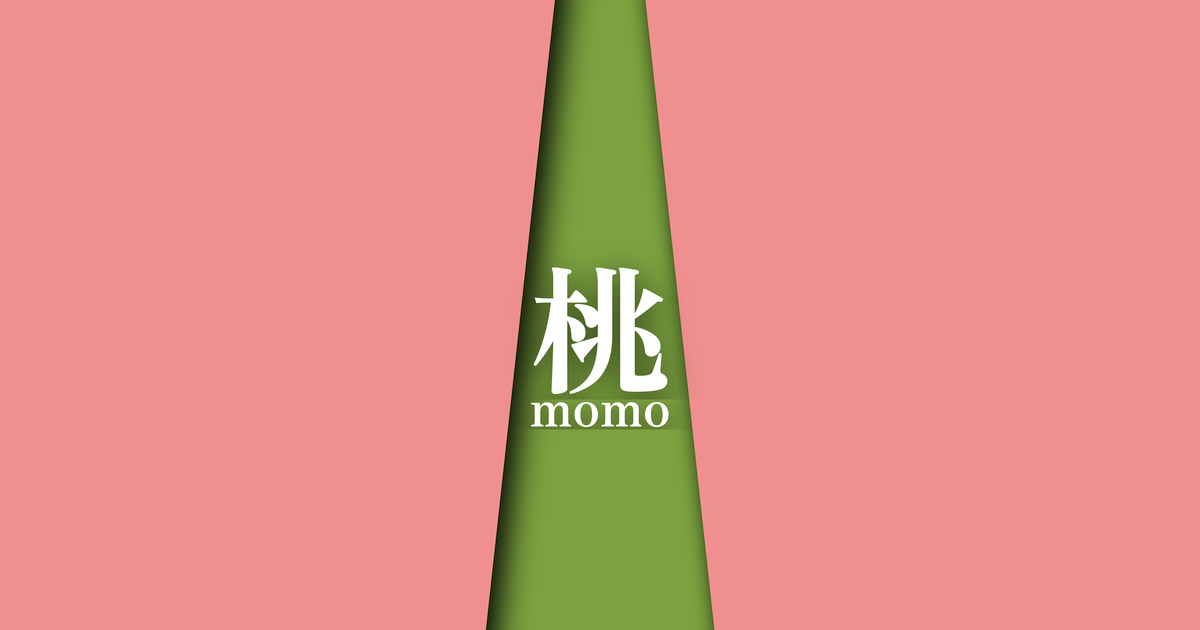
| Japanese color name | 桃 |
|---|---|
| reading | momo |
| season | 春 |
| Color of the table | Light red (usubeni) |
| Back color | Moegi (light green) |
What is a peach? Origin and etymology
The "Peach" color combination, as its name suggests, is a color scheme that captures the scene of peach blossoms in full bloom and newly sprouted leaves in spring. The pale crimson (pale red) of the outer fabric symbolizes the fully bloomed peach petals, while the vibrant green (sprout green) of the lining symbolizes the young leaves that sprout along with the flowers. This combination of two colors expresses the very essence of a peach tree, brimming with the vitality of spring.
This color scheme is one that strongly reflects the refined aesthetic sense of the Heian aristocracy, who captured a beautiful moment in nature and incorporated it into the colors of their clothing.
Historical background of peaches
During the Heian period, a culture of "kasane no irome" (layered colors), which delicately perceived the changing seasons and expressed them through the color schemes of clothing, flourished in aristocratic society. "Peach" was a representative color of spring and was particularly favored among young women. It is thought that this youthful and lovely color scheme was worn at glamorous occasions such as cherry blossom viewing parties held at the imperial court and spring festivals. As a color symbolizing the joy of the arrival of spring and the breath of life, it adorned the aesthetic sensibilities of the people of that time.
Related literature, waka poetry, and seasonal words
Classical Japanese literature such as "The Tale of Genji" and "The Pillow Book" do not often directly mention the color "peach" as a layered garment. However, peach blossoms are frequently depicted as a symbol of spring in the descriptions of scenes in these stories, and since the colors of the characters' clothing were an important element in expressing the sense of the season and their emotions, it can be inferred that similar color schemes were widely used.
In "The Pillow Book," under the section on "things that are dreadful," there is an expression "clothing with a dark lining," which reveals an aesthetic appreciation for color schemes where the lining is darker than the outer fabric, and the layered "peach" pattern can be seen as one example of this.
In the spring garden, the peach blossoms glow crimson, and a maiden stands on the path bathed in their light.
Peach season and scenery
"Peach" is a color scheme worn in spring, especially from late February to around April when peach blossoms begin to bloom. The pale pink on the outside represents the color of the flowers, and the light green on the inside represents the color of young leaves, evoking the bright and cheerful scenery of spring in full bloom. It expresses the transition from the still chilly early spring to the season when the sunshine becomes warmer, giving the viewer a vibrant and youthful impression. It is a color scheme that embodies an uplifting sense of the season, suitable for spring celebrations and outings such as Hina Matsuri (Girls' Day) and cherry blossom viewing parties.
Peach color scheme proposal
Cherry blossom pink (#FEEAFA)
By combining it with cherry blossom pink, the same color as spring flowers, a sense of unity is created, resulting in a more vibrant and gentle impression. The use of gradations of similar colors was also a favored color scheme in Heian period attire.
White training (#FFFFFF)
When combined with pure white, the pale pink and light green of "peach" are further enhanced, adding a sense of cleanliness and elegance. This color scheme evokes the refreshing air of spring and is easy to apply to modern designs.
Indigo (#165E83)
By pairing it with a calm indigo blue, the sweet and delicate impression of the peach is toned down, creating a sophisticated and mature atmosphere. The colors complement each other, adding depth and dimension to the design.
Practical Scenes
In Heian period attire, "peach" was primarily used for the uchiki (a type of kimono worn by young women). The light green lining that peeked out from the cuffs and hem with every step was considered a stylish and fashionable detail. As a representative color scheme expressing the feeling of spring, it adorned the women of the imperial court. In modern Japanese clothing, incorporating this color scheme into visiting kimonos, casual kimonos, and accessories such as obiage (sash ties) and obijime (sash cords) creates a youthful and spring-like look.
Beyond traditional Japanese clothing, the "peach" color scheme can be used in a variety of fields. In interior design, incorporating it into cushions and curtains brings a bright, spring-like atmosphere to the entire room. In web and graphic design, it can effectively create a friendly and vibrant image in spring campaign websites and packaging for women's products.