
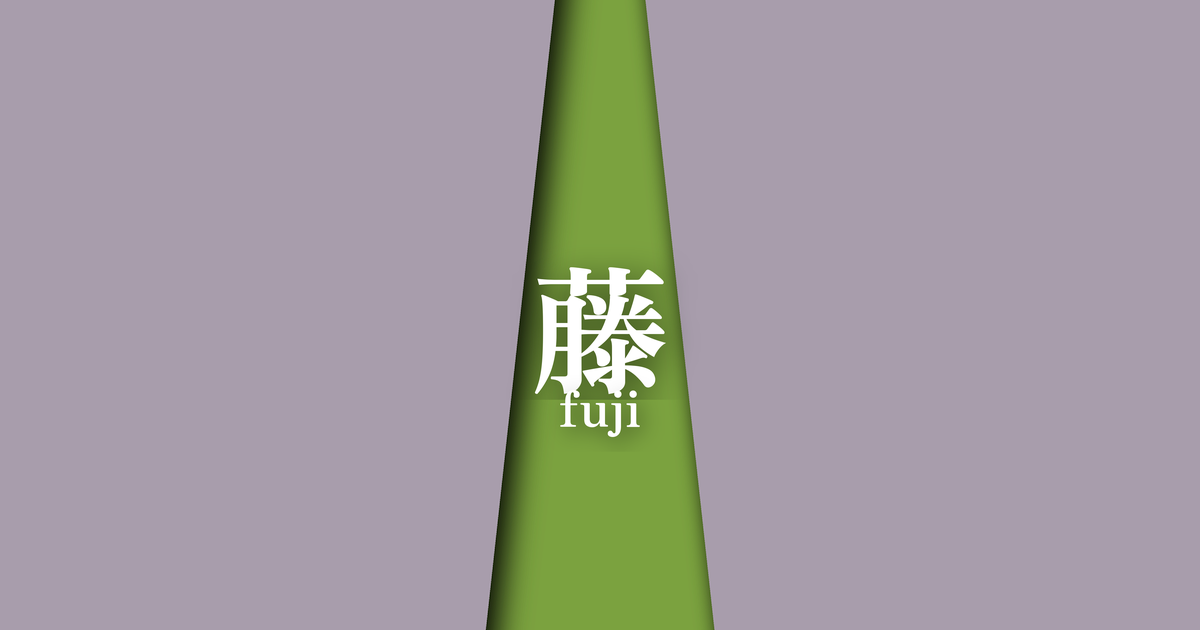
| Japanese color name | 藤 |
|---|---|
| reading | Fuji |
| season | 春 |
| Color of the table | Light purple (usumurasaki) |
| Back color | Moegi (light green) |
What is wisteria? Origin and etymology
The name "Fuji" (wisteria) literally derives from the wisteria flower (fuji), which blooms beautifully in spring. This color combination expresses the elegant scene created by the drooping clusters of wisteria blossoms and their young leaves through the colors of the garment. The light purple on the outside symbolizes the color of wisteria blossoms in full bloom, while the light green on the inside symbolizes the fresh color of newly sprouted leaves. This color combination skillfully incorporates the colors of nature, revealing the refined aesthetic sense of the Heian aristocracy who enjoyed the changing seasons through their clothing.
Historical background of wisteria
In the Heian period court, wearing seasonal attire was considered a sign of refinement. The color combinations of layers were a particularly important element, reflecting an individual's aesthetic sense. The "wisteria" color combination is based on the wisteria, a representative flower of spring, and is said to have been worn especially around April. Coupled with the rise of the Fujiwara clan, the wisteria flower was considered a symbol of nobility, and this color combination was also favored by the aristocracy as an elegant and dignified attire.
This color scheme is also recorded in costume treatises such as the "Masasuke Shōzoku Shō" (Masasuke Costume Treatise).
Related literature, waka poetry, and seasonal words
In classical literature, wisteria flowers frequently appear as a motif symbolizing the elegant scenery of spring. In "The Tale of Genji," Fujitsubo no Miya is depicted as the ideal woman whom Hikaru Genji longs for, and wisteria was considered a symbol of noble and refined beauty. In "The Pillow Book," its beauty is also praised, described as "wisteria flowers with deep color and long clusters of blossoms."
Through these literary works, the elegant image associated with the color of wisteria became established, and it is thought that "wisteria" as a color combination also became popular, linked to the worldview of the stories.
Shina-uchihae, the long spring sunshine, hanging over the base of the wisteria blossoms, is still present today.
Wisteria season and scenery
The "Wisteria" color combination was worn during the season from the height of spring to early summer, specifically around the fourth month of the lunar calendar. This is when wisteria blossoms are at their most beautiful, their long, drooping flower clusters swaying in the wind. The combination of light purple on the outside and light green on the inside perfectly captures the scene of wisteria in full bloom and the vibrant young leaves sprouting beside them. Wearing this attire was an act that expressed the refined spirit of the Heian aristocracy, embodying the beauty of nature and celebrating the changing seasons.
Wisteria color scheme proposal
White training (#FFFFFF)
The pure white of the shironeri (a type of silk fabric) accentuates the elegance of the wisteria's pale purple and the youthful freshness of the light green. It reflects light, giving the overall impression a bright and pure feel. In Heian period attire, it was frequently used as a color to represent purity and sanctity.
Yamabuki (#F8B500)
Like wisteria, the Japanese kerria flower blooms in spring. By combining light purple and light green with the warm color of Japanese kerria, it is possible to express the sunlight and splendor of spring. This color scheme is based on the color harmony found in nature.
Dark color (#3D2B46)
Dark purple, while being in the same color family as light purple, gives a sense of depth and gravitas. It adds elegance and composure to the graceful color of wisteria, creating a more refined impression. It was also used in the attire of Heian period aristocrats as a color to indicate high rank.
Practical Scenes
The "wisteria" color scheme is beloved in modern Japanese clothing as a color combination that expresses the feeling of spring. Incorporating this combination into formal kimonos such as visiting kimonos, casual kimonos, obi sashes, and obiage (sash ties) creates an elegant and refined look. Furthermore, this sophisticated color scheme is not limited to the world of Japanese clothing but is also used in the fields of interior design, fashion, and graphic design. The combination of calm light purple and refreshing light green can give a gentle and elegant impression to spaces and products.