
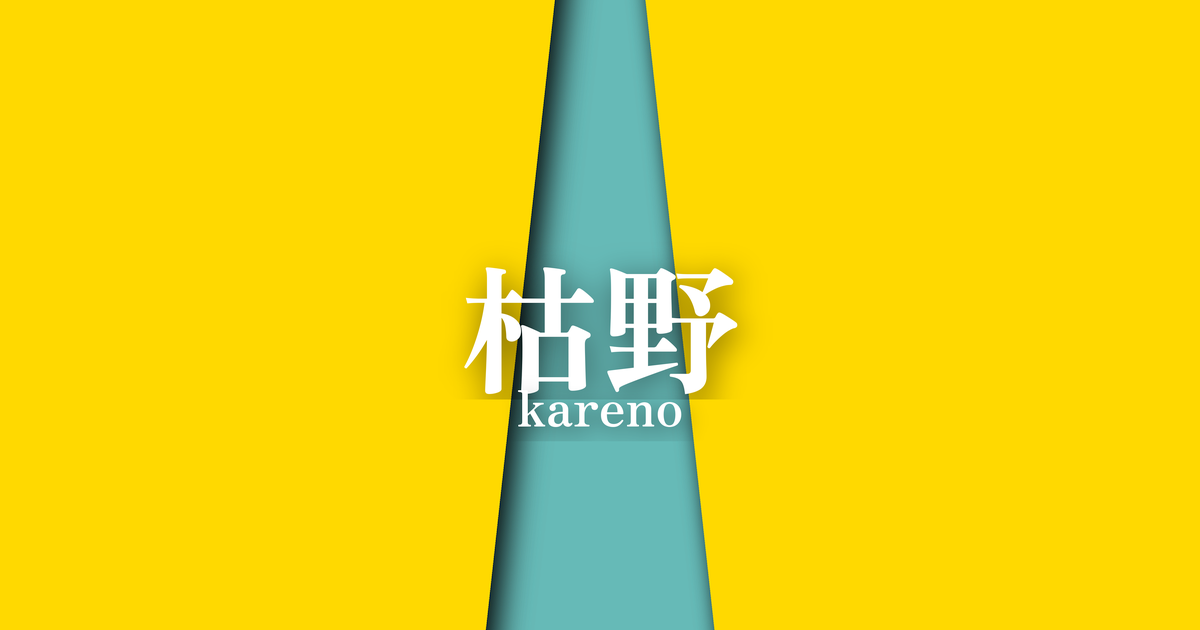
| Japanese color name | dry field |
|---|---|
| reading | kareno |
| season | 秋 |
| Color of the table | Yellow (ki) |
| Back color | light blue (mizuasagi) |
What is a withered field? Origin and etymology
"Kareno" (枯野), as its name suggests, is a color combination that reflects the scene of a winter field where plants and trees have withered. The yellow on the front represents the color of withered grass and leaves, while the light blue on the back is said to symbolize the frost that has settled on the withered grass and the color of the clear winter sky. Rather than expressing splendor, it conveys the stillness and desolation of late autumn and early winter, and the dignified beauty found within it.
This color scheme originated from the keen sense of color of the Heian period aristocrats, who sought to delicately capture the changing seasons of nature and express them through the color combinations of their clothing.
While there are few historical sources to pinpoint the exact time of this color combination's origin, it is believed to have become established as the culture of "layered color combinations" became more refined from the mid-Heian period onward. The aesthetic of incorporating natural landscapes realistically and poetically into clothing was fundamental to the aristocratic society of the time. "Kareno" (withered field) can be said to be a color scheme that strongly reflects "mono no aware," a uniquely Japanese aesthetic that finds beauty even in the desolate landscape that heralds the arrival of winter.
Historical background of withered fields
During the Heian period, aristocrats considered changing the colors of their clothing to match the changing seasons an important aspect of their refined upbringing. This custom was systematized as "kasane no irome" (layered color combinations), becoming a means of expressing individual aesthetic sensibilities and social status. "Kareno" (withered field) is a color combination that accurately captures the seasonal feeling from late autumn to early winter, and it was nurtured within this culture. It is presumed to have been particularly favored for wearing in occasions that valued refinement, such as nature outings and private poetry gatherings.
While primary sources describing specific examples of "Kareno" (withered field) being worn are limited, it is sometimes mentioned as a winter color in later compilations of clothing customs, such as the "Masasuke Shōzoku Shō." This indicates that this color scheme was recognized as a combination symbolizing the Japanese sense of the seasons, to the point that it was passed down through generations as a certain form. Rather than being used in strict court ceremonies, it is thought to have become established as attire that expressed an individual's sense of the seasons.
Related literature, waka poetry, and seasonal words
"Kareno" (withered field) has been a frequently used seasonal word in waka and haiku poetry since the Heian period, signifying winter. It has captured the hearts of many poets as a word encompassing loneliness, the end of life, and a premonition of new rebirth. While direct descriptions of the colors of "Kareno" are rare in Heian-period literature, works like "The Tale of Genji" and "The Pillow Book" frequently feature scenes where characters skillfully choose the colors of their clothing to match the season and their emotions.
In the winter scenes, the yellow and blue costumes worn by the characters are thought to resonate with the desolate aesthetic of the "withered field."
Sick on a journey, my dreams wander across the withered fields.
The season and scenery of withered fields
"Kareno" (withered field) is considered most appropriate to wear from October to November in the old lunar calendar, or from late November to around January in the current calendar. It expresses the seasonal feeling from late autumn, when the plants and trees lose their color as autumn deepens, to early winter, which signals the arrival of a harsh winter. The yellow on the front evokes rice fields after the golden rice stalks have been harvested, or fields and mountains covered with withered pampas grass. The light blue on the back symbolizes the presence of the cold first frost that falls there, or the clear light of a winter morning.
This color scheme embodies a quiet, introspective beauty, in stark contrast to the vibrant energy of the season. Therefore, it is better suited to a tranquil tea ceremony or a quiet appreciation of winter nature, rather than a boisterous celebration. Through this color palette, the wearer expresses a deep appreciation for the laws of nature and the changing seasons.
Color scheme proposal for a withered field
Kutsuha color (#917347)
By combining it with a withered leaf color reminiscent of fallen autumn leaves, a deeper gradation from autumn to winter is created. It blends well with the yellow of the withered fields, tightening the overall look and giving a calm, harmonious impression.
Silver mouse (#AFB1B4)
A cool, bright gray that resonates with the pale blue of a withered field. It reinforces the image of a cloudy winter sky and frost, creating a sophisticated winter scene. Adding a modern and intellectual feel, this color scheme is easy to apply to contemporary designs.
Suou (#9E3D3F)
Camellias blooming amidst a barren landscape, and the dark red evokes a winter sunset. These colors add warmth and visual accents to the cool tones of the withered fields, such as yellow and pale blue, creating a color scheme that evokes passion and vitality hidden within loneliness.
Practical Scenes
In the Heian period, this color combination was likely used in women's attire, such as the uchiki (a type of kimono). It was probably favored in everyday wear, especially to express the seasonal feeling from late autumn to early winter. Rather than formal ceremonies, it is presumed to have been chosen for private gatherings or occasions of appreciating nature, as a way to demonstrate the wearer's refinement and delicate sensibilities.
In modern times, incorporating the "kareno" (withered field) color scheme into traditional Japanese clothing accessories such as kimonos, obi sashes, and obi ties creates a stylish and seasonal look. In interior design, using it in fabrics such as cushions and curtains can create a calm and warm atmosphere. In web design and graphics, it can be effectively used in autumn and winter-themed content as a color scheme that conveys traditional Japanese aesthetics and a sense of the season.