
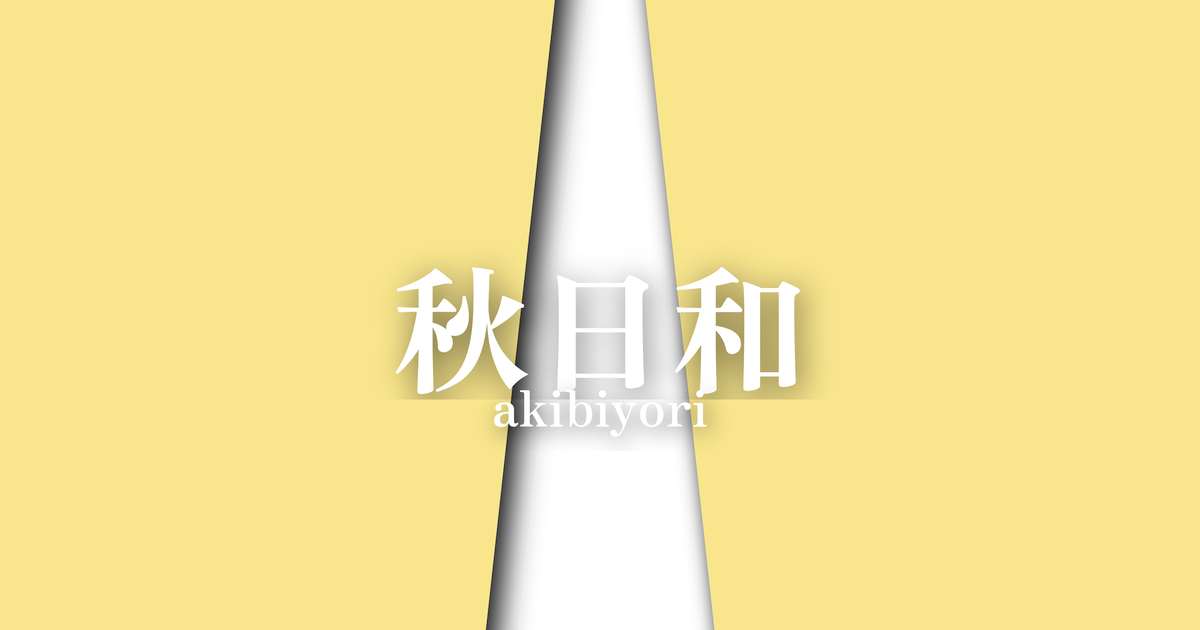
| Japanese color name | Autumn weather |
|---|---|
| reading | akibiyori |
| season | 秋 |
| Color of the table | Light yellow (tankoh) |
| Back color | White (shiro) |
What is "Akibiyori" (autumn weather)? Origin and etymology.
The name "Akibiyori" literally means a mild, sunny autumn day. This color scheme is said to represent the soft sunlight pouring down under a clear autumn sky, and the way the leaves of trees that have just begun to change color shine in the light. The pale yellow on the front symbolizes warm sunshine, and the white on the back symbolizes crisp air, creating a color combination that evokes a pleasant autumn day. It is a manifestation of the aesthetic sense of the Heian aristocracy, who delicately captured the changing seasons of nature and expressed them through the colors of their clothing.
Historical background of autumn weather
The concept of layered color combinations developed during the Heian period as Japanese culture matured. Nobles incorporated subtle seasonal changes and natural scenery into their clothing color schemes, expressing their refinement and sensibilities. "Akibiyori" (autumn weather) is one such example, believed to have been used in court attire as a color combination capturing a specific autumn scene.
However, since this color scheme is not clearly described in major documents such as the "Masasuke Shōzoku Shō" or "Shōzoku Zatsuji Shō," it is suggested that it may have been systematized in later periods or passed down within a specific family lineage.
Related literature, waka poetry, and seasonal words
The phrase "autumn weather" itself has been used as a seasonal word in many waka and haiku poems. Although there are few instances where it appears directly as "autumn weather attire," it is easy to imagine that in the autumn court life depicted in Heian literature, nobles would have worn clothing of such delicate colors while enjoying autumn leaf viewing or moon-viewing parties. It is thought that these colors gave the background of the stories a rich sense of the season.
The peaceful colors of the autumn sky are visible, and my heart feels clear and refreshed.
Autumn weather and scenery
"Akibiyori" (autumn weather), as the name suggests, is a color scheme that represents a mild, sunny autumn day. It is mainly worn in autumn, especially before the leaves change color completely, when the sun still retains some warmth. The pale yellow on the outside evokes the soft light of the setting sun, the golden gleam of rice stalks, or the ginkgo leaves just beginning to change color. The white on the inside symbolizes the clear autumn sky and the cool air.
This color scheme was worn on celebratory occasions such as autumn outings and ceremonies, giving viewers a calm and pleasant impression of the season.
Color scheme suggestions for autumn weather
Kutsuha color (#915E33)
By combining it with the withered leaf color, another representative color of autumn, it is possible to express the scene of deepening autumn foliage. The brightness of the pale yellow and the depth of the withered leaf color complement each other, resulting in a calm and warm color scheme.
Gentian (#9079AD)
By combining it with the purple hues of the gentian flower that blooms in autumn, the scenery of autumn fields and mountains comes to mind. The warm pale yellow and the cool gentian purple harmonize, giving an elegant and sophisticated impression.
Blue and white (#EBF4F7)
Indigo white, a white with a slight bluish tint, is well-suited to representing the clear, high autumn sky. When combined with the white and pale yellow of a fine autumn day, it creates a more refreshing and serene atmosphere, resulting in a sophisticated color scheme.
Practical Scenes
In Heian period attire, "Akibiyori" (autumn weather) was used for court ladies' robes such as the uchiki (outer robe), and is thought to have been worn for autumn court ceremonies and private gatherings. Its gentle and elegant colors enhanced the wearer's intelligence and grace. In modern times, incorporating this color scheme into kimono and obi sashes allows for the enjoyment of seasonal attire. Furthermore, in interior design, using this color scheme for wallpaper or fabrics creates a bright and warm atmosphere throughout the room.
In web design and graphic design, using these colors as background or accent colors can create a sense of calm and reassurance in the viewer.