
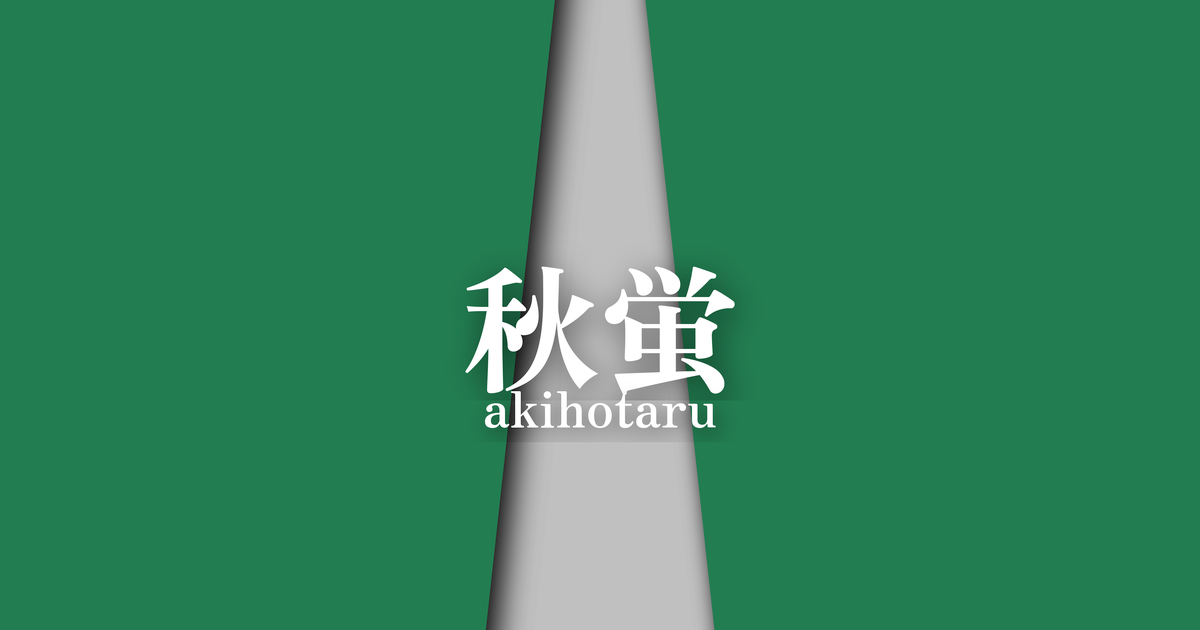
| Japanese color name | Autumn fireflies |
|---|---|
| reading | akihotaru |
| season | 秋 |
| Color of the table | Green (midori) |
| Back color | silver (gin) |
What is an autumn firefly? Origin and etymology
"Akihotaru" (Autumn Firefly), as its name suggests, is a color combination that reflects the fleeting image of fireflies glowing in the grass on an autumn night. The deep green of the outer layer symbolizes the autumn grasses shrouded in darkness. On the other hand, the silver of the inner layer is said to represent the faint light of fireflies dancing and flickering in that darkness. Rather than splendor, this color scheme reflects a Japanese aesthetic sense that connects to the poignant beauty of things, emphasizing the light of life glittering in silence.
This reveals the rich sensibility of the Heian aristocracy, who attempted to capture a delicate moment in nature and express it through the colors of their clothing.
However, the color name "Akihotaru" (autumn firefly) is not clearly mentioned in major Heian and Kamakura period costume texts such as "Masasuke Shōzoku Shō" or "Shōzoku Zatsuji Shō." Therefore, it has been suggested that it may be a relatively new color combination created in later times, or one that was passed down only within a specific family or school. There is no conclusive evidence that its origins can be traced back to the Heian period, and it is considered more appropriate to think of it as one of the color combinations that were systematized in the early modern period rather than a classical layered color combination.
Historical background of autumn fireflies
In the aristocratic society of the Heian period, the colors of clothing were not merely decorative, but an extremely important element that expressed the changing seasons and demonstrated the wearer's education and sensibility. "Kasane no Irome" (layered color combinations) is a sophisticated color culture that symbolically expresses natural landscapes, plants and animals, and literary themes through the combination of colors of the outer and inner fabrics of clothing, or the colors of layered garments. Wearing the prescribed colors for each season was considered an essential part of one's education for court duties and social interactions.
The quiet and serene autumn night scene, as depicted by "Autumn Fireflies," was one of the refined themes favored by the Heian aristocracy. If this color scheme existed at the time, it is imagined that it would have been worn at events that celebrated the sounds and light of nature, such as moon-viewing parties or insect-listening gatherings. It would have been an expression of the aesthetic sensibilities of the people of that era, who sought to become one with nature and reflect its beauty in their attire.
Related literature, waka poetry, and seasonal words
While fireflies are generally known as a seasonal word for summer, they are often depicted as autumn scenes in the world of Japanese poetry. For example, the *Goshūi Wakashū* (Later Collection of Japanese Poetry) contains poems about fireflies on autumn nights. This suggests that people felt a special charm in the light of fireflies seen in the melancholy of autumn nights, which is different from the powerful light of the height of summer. In the "Firefly" chapter of *The Tale of Genji*, the light of fireflies is effectively used as a symbolic prop that illuminates people's hearts.
It is quite possible that this literary background influenced the creation of the ephemeral yet beautiful color scheme known as "Autumn Firefly."
As evening falls, even fireflies wander into the dwellings, making the autumn night bed a somber and poignant place.
Autumn firefly season and scenery
"Akihotaru" (Autumn Firefly), as its name suggests, is a color combination worn in autumn. Specifically, the appropriate time is considered to be from July to September in the old lunar calendar, when the summer heat subsides and the signs of autumn deepen. The deep green of the outer layer evokes the thickets of autumn grasses, while the silver peeking from the lining is reminiscent of white dew on the blades of grass or the fading light of fireflies. This color scheme expresses the beauty of an autumn night, which is quiet and slightly melancholic, in contrast to the vibrant scenes of summer.
It is thought that this style was favored in settings where a quiet, understated elegance was valued rather than a competition of extravagance.
Autumn Firefly Color Scheme Proposal
Withered leaf color (#915E33)
The withered leaf color, reminiscent of fallen autumn leaves, harmonizes naturally with the green of autumn fireflies. It expresses the seasonal transition from green to brown, creating an even deeper autumnal scene. The resulting color scheme is calm and warm.
Indigo Iron (#293047)
The deep, dark indigo color, known as "ai-tetsu-iro," symbolizes the clear autumn night sky. When combined with the green and silver hues of autumn fireflies, the scene of fireflies dancing at night becomes even more vivid, creating a serene and fantastical atmosphere.
Platinum (#E5E4E6)
The platinum color, which harmonizes with the silver lining, evokes images of moonlight and the shimmering surface of a river. Adding it to the autumn firefly color scheme emphasizes the element of light, creating a sophisticated and elegant impression. It's also easily applicable to modern designs.
Practical Scenes
In the Heian period, this color scheme is thought to have been used in the layering of the uchiki (outer robes) worn by court ladies, and in the undergarments worn beneath the noshi (formal court robe) and kariginu (hunting robe) worn by men. In particular, it would have been a suitable color scheme for expressing the wearer's refined aesthetic sense in occasions that valued elegance, such as moon-viewing parties and poetry gatherings held on autumn nights. The understated yet striking color scheme speaks to the wearer's intelligence and dignity.
In modern times, incorporating the "Autumn Firefly" color scheme into combinations of kimono, obi, obi-jime, and obi-age can create a sophisticated and intellectual look. In interior design, adding silver lighting fixtures and accessories as accents to deep green wallpaper or fabrics can create a calm, modern Japanese space. It's also an effective color scheme for conveying a quiet and high-end brand image in websites and graphic design.