
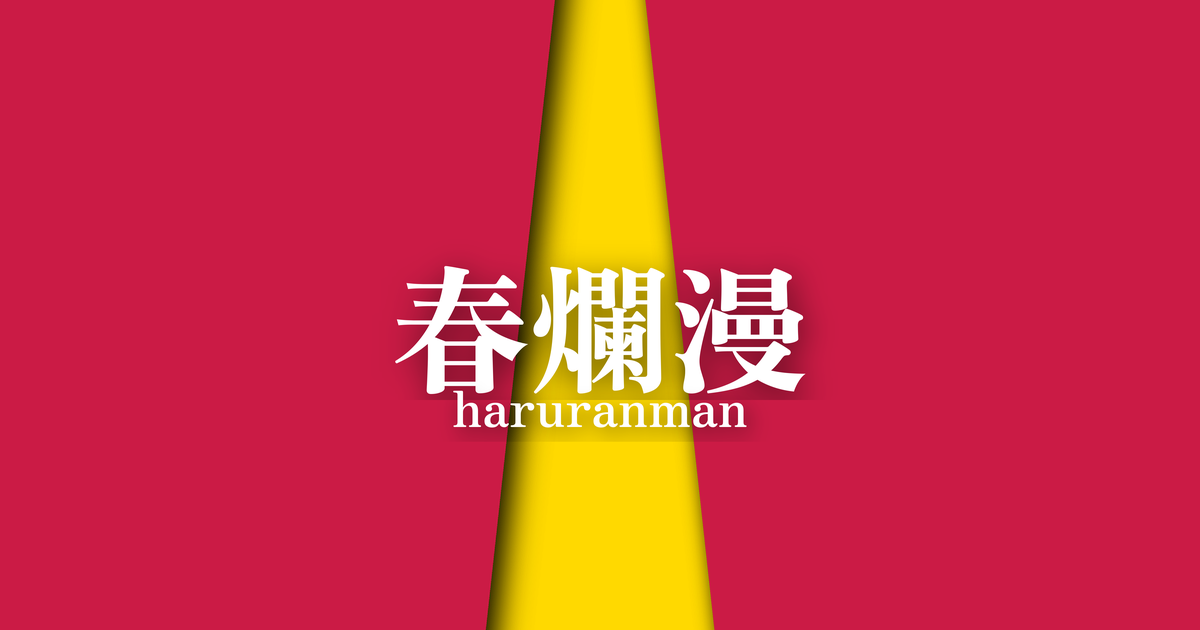
| Japanese color name | Spring is in full bloom |
|---|---|
| reading | haruranman |
| season | 春 |
| Color of the table | Beni (beni) |
| Back color | Yellow (ki) |
- What does "Haru Ranman" mean? Origin and etymology.
- The historical background of the full bloom of spring
- Related literature, waka poetry, and seasonal words
- The season and scenery of spring in full bloom
- Color scheme suggestions for the full bloom of spring
- Practical Scenes
- FAQ
- Color combinations of the same season (spring)
What does "Haru Ranman" mean? Origin and etymology.
"Haru Ranman" is a phrase that describes the most vibrant and colorful scenery of spring, when flowers bloom in profusion. As a color combination for layered kimono, "Haru Ranman" expresses this scene through color. The "red" on the outside is said to symbolize cherry blossoms, peach blossoms, and peonies in full bloom, while the "yellow" on the inside symbolizes rapeseed flowers, kerria, or the warm spring sunshine. This combination of two colors skillfully expresses the joy and dynamism of spring, full of vitality, and leaves a strong impression on the viewer of the arrival of the season.
However, the color combination known as "Haru Ranman" (meaning "spring in full bloom") is not directly mentioned in major Heian and Kamakura period texts such as the "Masasuke Shōzoku Shō" or "Shōzoku Zatsuji Shō." Therefore, it is possible that this name was created later to represent the beautiful scenery of spring, or that it became established as a common name, rather than being a strictly defined color combination that has been passed down since ancient times. The combination of red and yellow itself has long been favored as a color scheme to represent spring.
The historical background of the full bloom of spring
In the aristocratic society of the Heian period, the color scheme of clothing was an extremely important element that reflected an individual's aesthetic sense and refinement. "Kasane no Irome" (layered color combinations) were not merely beautiful color pairings, but rather a sophisticated expression of culture that incorporated the changing seasons and natural scenery into clothing. By wearing colors prescribed for each season, people harmonized with nature and expressed its beauty through their attire.
In spring, there were many color schemes inspired by plants such as plum blossoms, cherry blossoms, willows, and wisteria, and this sense of color was showcased in various settings, from court ceremonies to private banquets. It is presumed that vibrant and gorgeous color combinations, such as those representing "spring in full bloom," were particularly favored in festive spring occasions. Although not a classical definition, these color schemes can be said to convey to the present day the ideal spring scenery loved by the Heian aristocracy.
Related literature, waka poetry, and seasonal words
The phrase "spring in full bloom" itself originates from Chinese poetry and is rarely used directly in classical Japanese literature. However, the scene of spring flowers in full bloom is beautifully depicted in many literary works, including "The Tale of Genji" and "The Pillow Book." For example, in the famous "Spring is at dawn" section of "The Pillow Book," the delicate changes in light and color at the beginning of spring are captured, revealing the keen observation of nature held by people of that time.
Furthermore, the Kokin Wakashū and Shinkokin Wakashū contain numerous poems about spring flowers such as cherry blossoms and kerria. Through these poems, we can see that the aristocracy felt the changing seasons in the colors and fragrances of flowers, and associated them with the transience of human emotions and the world. The "spring in full bloom" color scheme can be said to be a condensed representation of the vibrant spring scenes depicted in these classical literary works.
On this peaceful spring day, bathed in the gentle light of the distant sun, the blossoms fall without a care in the world.
The season and scenery of spring in full bloom
"Haru Ranman" (Spring in Full Bloom), as its name suggests, is a color scheme that expresses the feeling of the peak of spring. Specifically, it depicts the most vibrant period from late March to April, when cherry blossoms and peach blossoms are in full bloom, and rapeseed flowers and Japanese kerria are also in full bloom. It symbolizes the energy and joyful atmosphere of spring, when all life begins to flourish in the warm sunlight.
The most appropriate time to wear this color scheme as attire is considered to be in the height of spring. Wearing it at cherry blossom viewing parties, spring festivals, and celebratory occasions will make the atmosphere even brighter and more festive. Considering the aesthetic sense of the Heian aristocracy, who valued anticipating the season, it is also possible that they wore it from the time they were waiting for the cherry blossoms to bloom.
Color scheme suggestions for the full bloom of spring
Young leaf color (#B5D36A)
By adding the vibrant green of newly sprouted leaves to the warm reds and yellows of springtime, a more lively spring scene is created. The contrast between the flowers and the fresh green leaves is beautiful, resulting in a fresh and vibrant color scheme.
White training (#FFFFFF)
Adding pure white enhances the vibrant colors of springtime, giving the overall impression of cleanliness and elegance. The imagery of spring mist and lingering snow is also present, creating a sense of tranquility and grace amidst the splendor. It's easy to incorporate into kimono sashes and accessories.
Lapis Lazuli (#1F4788)
By combining vibrant red and yellow with a deep, clear lapis lazuli blue, the design evokes the blue sky of spring. The contrast between warm and cool colors enhances each other, resulting in a dynamic and striking color scheme. It brings depth and elegance to the design.
Practical Scenes
In traditional Japanese clothing, the "springtime" color scheme is often seen in formal kimonos such as visiting kimonos, furisode (long-sleeved kimonos), and komon (casual kimonos). It gives a particularly cheerful impression suitable for celebratory occasions, making it ideal for weddings and parties. Even incorporating this color scheme into accessories like the obi (sash), obiage (sash scarf), and obijime (sash cord) can create a spring-like seasonal feel in the entire outfit.
In modern graphic and product design, this color scheme is frequently used to symbolize spring campaigns and events. Using it in website banners, advertisements, and product packaging can create a bright and positive impression on consumers. In interior design, incorporating it into fabrics such as cushions and curtains can brighten a room and easily create a spring-like atmosphere.