
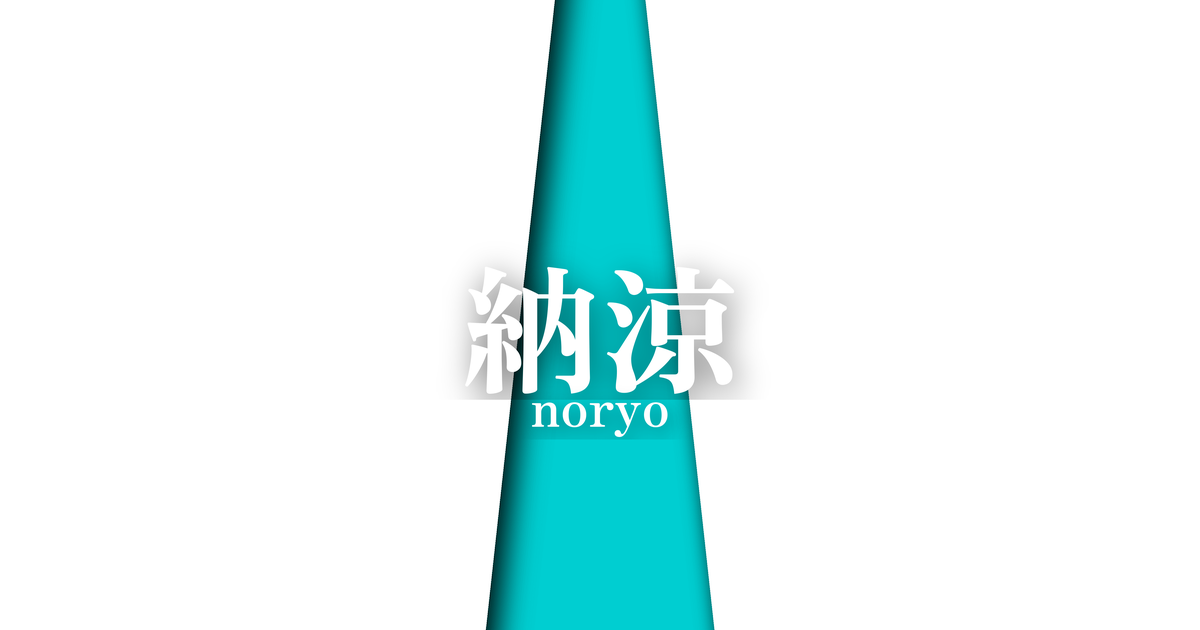
| Japanese color name | Enjoying the cool breeze |
|---|---|
| reading | noryo |
| season | 夏 |
| Color of the table | White (shiro) |
| Back color | Light blue (mizuiro) |
What is "Noryo"? Origin and etymology
"Noryo" refers to the act of escaping the harsh summer heat and enjoying the coolness of summer. This color combination, as its name suggests, was devised to visually express the refreshing feeling of summer. The "white" on the outside symbolizes the strong summer sun and the ice and snow that bring coolness, while the "light blue" on the inside evokes the clear flow of a river and pure spring water.
This combination of two colors is said to give viewers a refreshing impression and reflects the refined aesthetic sense of the Heian aristocracy, who sought to spend the hot and humid season with peace of mind.
Historical background of summer cooling
The layered color schemes of the Heian period represent a unique sense of color cultivated among the aristocracy during the flourishing of Japanese culture. These seasonal color combinations, such as those for "cooling off the summer heat," symbolize the culture of the time, which keenly perceived the changing seasons and incorporated them into daily life. Court ladies expressed their refinement, dignity, and delicate sensibilities by changing the color schemes of their clothing according to the season and occasion.
Especially in summer attire, a cool appearance was highly valued, and it is presumed that "Noryo" (a color associated with summer coolness) was used as an elegant color to meet this demand.
Related literature, waka poetry, and seasonal words
The color name "Noryo" (cooling off) has not yet been found to directly appear in representative classical literature of the Heian period, such as "The Tale of Genji" or "The Pillow Book." However, these stories contain numerous descriptions of the summer season and the clothing of the characters. For example, there are scenes of people enjoying musical performances by the river to cool off, and elegant depictions of women wearing light summer garments.
The "cool summer evening" color scheme embodies the summer lifestyle and aesthetic sensibilities of Heian-era aristocrats as depicted in these literary works, and helps to enrich the imagination of the scenes in the stories.
The twilight by the Nara stream, where the wind gently blows, is a sign of summer, especially the purification ritual.
Cooling off in the summer season and scenery
"Noryo" (涼の涼), as its name suggests, is a summer kimono color combination. It is believed to have been worn mainly from June to July in the old lunar calendar, which corresponds to the height of summer in the modern calendar. The white on the outside symbolizes the towering cumulonimbus clouds of summer and the ice that brings coolness, while the light blue on the inside symbolizes the clear stream flowing between rocks and the clear surface of water. This color scheme skillfully expresses the cool natural scenery of summer, such as reeds by the water's edge and the shade of trees. It was an aesthetic technique that gave a sense of coolness not only to the wearer but also to those who saw it, and was intended to alleviate the harsh heat.
Summer-themed color scheme suggestions
Golden (#E6B422)
The cool color scheme of white and light blue, combined with gold reminiscent of summer sunlight, creates a sense of elegance and sophistication. When used in obi sashes and accessories, it tightens the overall look and gives a noble impression.
Thinly sliced green onions (#88ADA6)
By combining light blue with a pale verdigris blue (usuasagi), which is in the same color family, a deeper, more nuanced depiction of water can be achieved. A gentle gradation is created, resulting in a sophisticated and intellectual color scheme.
Pink (#E7A2B8)
The cool, refreshing "Cooling Off" color scheme is enhanced with a gentle pink reminiscent of the carnation flower that blooms in summer, adding color and a touch of loveliness. It creates a feminine elegance and exudes a soft atmosphere.
Practical Scenes
In the Heian period, it is believed that these "cooling-off" colors were used in summer attire such as the uchiki (a type of kimono worn during the summer). It is speculated that their refreshing appearance was particularly favored for banquets by the water or private occasions where people sought to cool off. The cool and refreshing color scheme demonstrated the wearer's dignity and a delicate consideration for the season.
In modern times, incorporating "cooling-off" color schemes into kimono and yukataコーディネート (outfits) can create a stylish and refreshing summer look. For example, pairing a white yukata with a light blue obi (sash) is one such example. In interior design, using this color scheme for curtains and cushions can bring a refreshing and open atmosphere to the entire room.
The "cooling" color scheme can also be effectively used in web design and graphic design. Using white as the base color with light blue as an accent creates a clean and trustworthy impression. This will be particularly effective for soft drinks, summer-only products, and environmentally related websites.