
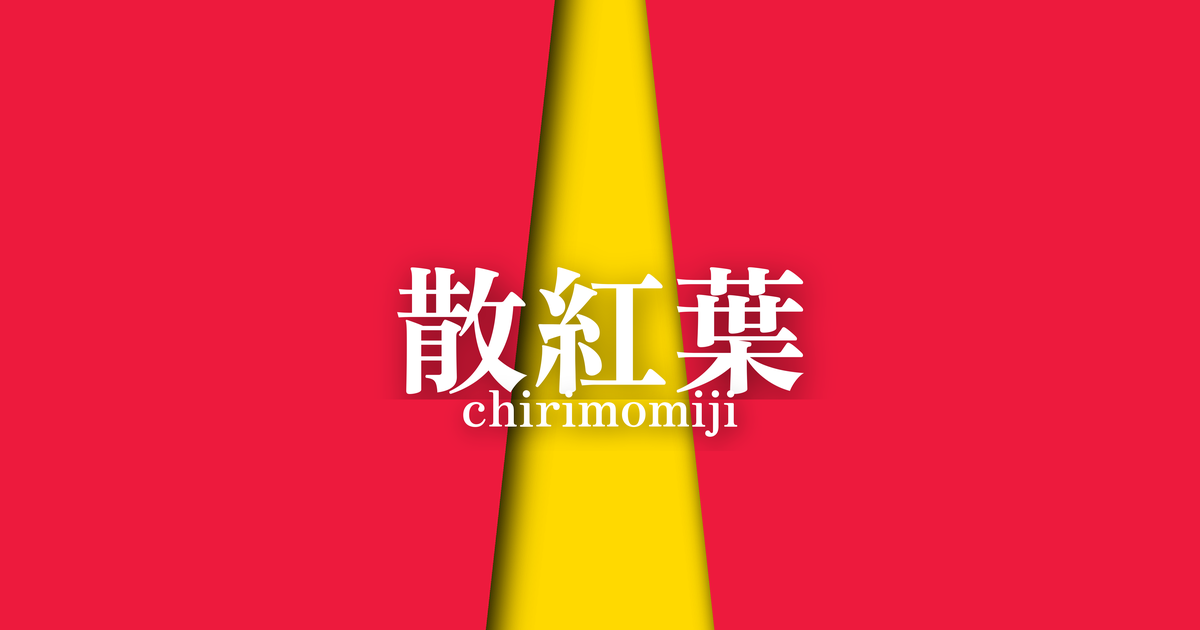
| Japanese color name | Fallen leaves |
|---|---|
| reading | chirimomiji |
| season | 秋 |
| Color of the table | Red (aka) |
| Back color | Yellow (ki) |
What is "Sankoyo"? Origin and etymology
"Sanmomiji" (Scattered Autumn Leaves), as the name suggests, is a color combination that depicts the scene of autumn deepening and leaves turning red and yellow scattered on the ground. The vibrant red used for the outer fabric is said to symbolize the red maple leaves, while the yellow of the lining is said to symbolize the yellow leaves of ginkgo trees and other trees. When these two colors are layered together, it evokes a beautiful late autumn scene that resembles a tapestry of colors. This color scheme can be said to be a strong reflection of the aesthetic sense of the Heian aristocracy, who incorporated natural landscapes into their clothing with a delicate sense of color.
Historical background of fallen autumn leaves
In the aristocratic society of the Heian period, "kasane no irome," the use of color combinations in clothing to express the changing seasons, was an important cultural practice. It was refined as a means of demonstrating the wearer's education and sensibility in public settings at the imperial court and at private banquets. Autumn, in particular, was a time when events such as viewing autumn leaves were popular, and it is thought that seasonal color combinations such as "scattered autumn leaves" were favored to express an appreciation for nature.
These colors are not merely decorative; they reflect the spirit of the people of that time who sought to become one with nature.
Related literature, waka poetry, and seasonal words
The phrase "scattered autumn leaves" appears frequently in waka poetry and narrative literature as a seasonal word for late autumn, depicting scenes that evoke a sense of poignant beauty. In works such as "The Tale of Genji" and "The Pillow Book," the beauty of autumn leaves and the transience of falling leaves are frequently mentioned, and the clothing of the characters is also described according to the season. While there are limited descriptions where "scattered autumn leaves" is directly used as a color combination in clothing, the aesthetic of expressing the end of autumn with red and yellow resonates deeply with the sense of season that permeates these classical literary works.
When I hear the cry of a deer treading through the autumn leaves in the deep mountains, that is when autumn feels truly sad.
The season and scenery of falling autumn leaves
"Scattered Maple Leaves" is a color scheme worn from late autumn to early winter, around the tenth to the November of the lunar calendar. It reflects the late autumn scene where leaves flutter down from the trees, coloring the ground like a carpet of red and yellow. It is thought to have been worn during events that celebrate the autumn season, such as maple leaf viewing and chrysanthemum banquets. This color scheme, which conveys a sense of melancholy for the passing season amidst its vibrancy, is one of the colors that symbolize traditional Japanese aesthetics.
Color scheme proposal for scattered autumn leaves
Withered leaf color (kuchiba-iro) (#917347)
The vibrant reds and yellows of fallen autumn leaves, combined with the calming browns of withered leaves, create a deep color scheme reminiscent of an entire forest in late autumn. This combination is also seen in contemporary clothing, giving a natural and harmonious impression.
Indigo (#264065)
This color scheme features a beautiful contrast between the vibrant colors of scattered autumn leaves and a deep, calming indigo. It evokes the clear autumn night sky and the surface of water, creating a modern and sophisticated impression. It is particularly effective in web and textile design.
Shironeri (#FDFDFD)
By pairing it with pure white, the vivid reds and yellows of scattered autumn leaves are further enhanced. It evokes the image of autumn leaves scattered on the ground after the first frost, creating a sense of cleanliness and elegance. Suitable for pairing with kimono sashes or for interior decoration.
Practical Scenes
During the Heian period, this color scheme was primarily used in court ladies' attire, such as the uchiki (a type of kimono), to richly express the feeling of autumn. In modern times, incorporating this color scheme into kimonos, obi sashes, and obi ties creates a stylish and seasonal look. In interior design, using it in cushion covers or table runners brings warmth and elegance to a space. In web design and advertising, it is an effective color scheme to symbolize autumn campaigns.