
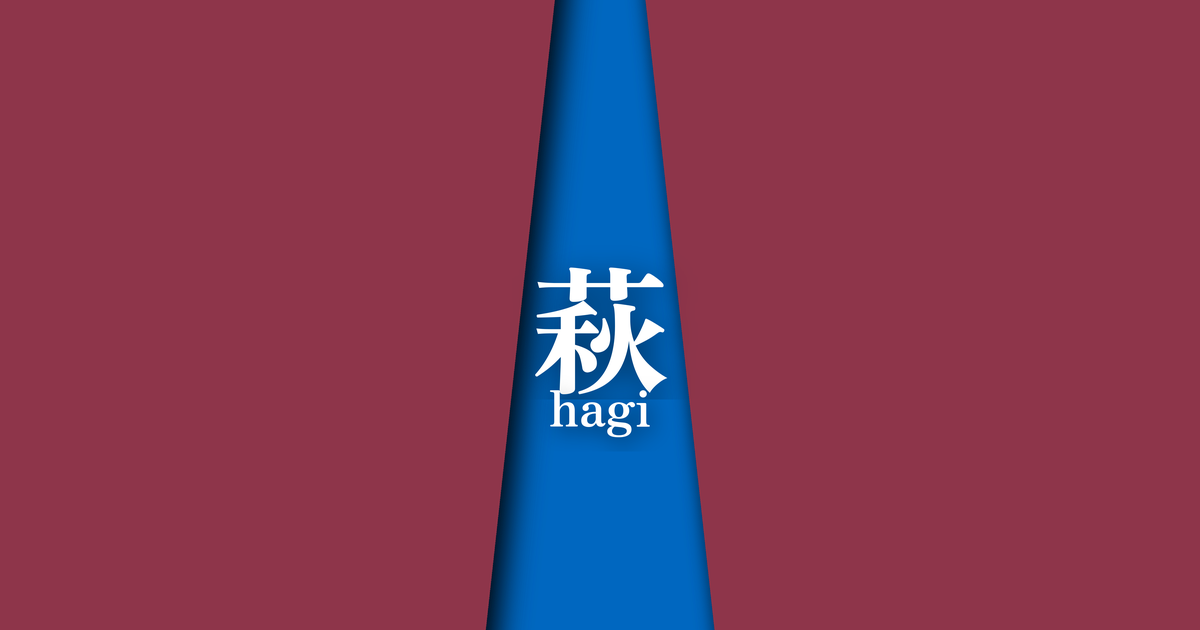
What is Hagi? Origin and Etymology
The layered color combination "Hagi" (bush clover) represents the colors of the bush clover flower and leaves, known as one of the seven autumn flowers. The sappanwood used on the outer layer symbolizes the delicate reddish-purple color of the bush clover's flowers. On the other hand, the blue (said to be close to modern green) used on the inner layer is interpreted as representing the fresh color of the bush clover's leaves. Through the contrast of these two colors, the scene of a bush clover swaying in the autumn breeze is skillfully depicted on the garment, imbuing it with an aesthetic sense that delicately conveys the changing seasons.
Historical background of Hagi
In the aristocratic society of the Heian period, expressing the seasons through the colors of one's clothing was considered an extremely important aspect of refinement. "Hagi" (bush clover) is said to have been one of the representative autumn color combinations, mainly worn from around the 7th to 9th month of the lunar calendar. This color scheme was used in the uchiki (outer robes) of ladies serving in the imperial court and was favored as an elegant attire that heralded the arrival of autumn. It strongly reflects the refined aesthetic sense of the Heian aristocracy, who incorporated natural landscapes into their clothing.
Related literature, waka poetry, and seasonal words
Bush clover (Hagi) is the most frequently mentioned plant in the Manyoshu anthology and has been loved by the Japanese people since ancient times. It frequently appears in Heian period literature as a flower symbolizing autumn scenery, and in The Tale of Genji, it is depicted as a plant that adorns the garden of Hikaru Genji's residence. Furthermore, in The Pillow Book, its beauty is praised as an "autumn wild flower."
Wearing the "Hagi" color combination in traditional Japanese clothing meant embodying the seasonal emotions and aesthetic sensibilities depicted in classical literature, and it was also a way to demonstrate a deep level of culture and refinement.
The lower leaves of the bush clover at my dwelling have already turned this color, even though the autumn wind has not yet blown.
The seasons and scenery of Hagi (bush clover)
The layered color combination "Hagi" (bush clover) was worn during the autumn season, especially from the 7th to the 9th month of the lunar calendar. The sappanwood on the outside symbolizes the reddish-purple flowers of the bush clover, while the blue (green) on the inside symbolizes the leaves, creating an image of bush clover swaying in the autumn breeze. It is a fitting color scheme to express the delicate changes of the season as it transitions from the end of summer to the deepening of autumn. Wearing this color combination during events that celebrate the autumn atmosphere, such as moon-viewing parties and autumn leaf viewing, demonstrated an elegant aesthetic sense that was one with nature.
Hagi's color scheme proposal
Yellowish-brown (#FBE251)
A bright yellow reminiscent of the autumn moon and ripe rice stalks. It is close to a complementary color to the sappanwood, the signature color of the bush clover, and the two colors vividly enhance each other. The resulting color scheme is gorgeous and elegant, evoking the scene of moon viewing on a long autumn night.
Shironeri (#FFFFFF)
A pure and clean white. It softens the strong contrast between the sappanwood and blue, giving the overall impression of elegance and sophistication. The combination evokes the dignified appearance of bush clover blooming in the clear autumn air, or the image of white dew falling.
Indigo Iron (#293047)
A dark blue with a greenish tint. It tones down the reddish hue of the sappanwood, giving the overall impression of tranquility and intellect. It evokes the stillness of an autumn night and the deep hues of bush clover leaves wet with dew, creating a calm and mature atmosphere.
Practical Scenes
Traditionally, this color was used in the court attire of Heian period ladies, such as the uchigi, and was cherished as an elegant outfit that heralded the arrival of autumn. In modern Japanese clothing, the "hagi" color can be recreated by combining a kimono and obi, or an obiage and obijime, allowing for a seasonally appropriate coordination. In interior design, incorporating this color scheme into textiles creates a sense of calm and Japanese aesthetics in the space.
Furthermore, in graphic and web design, this color scheme is effective in creating an elegant and traditional atmosphere for autumn-themed content.