
| Japanese color name | light red |
|---|---|
| reading | usubeni |
| season | 春 |
| Color of the table | Beni (beni) |
| Back color | Suou |
What is "pale pink"? Origin and etymology
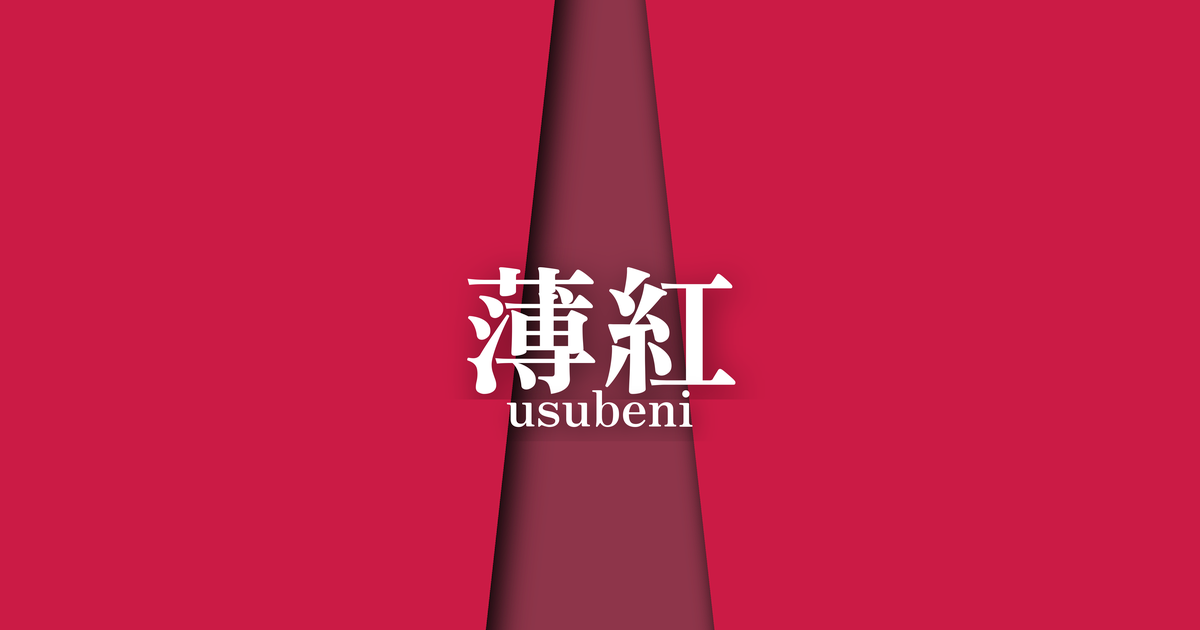
The name "Usukurenai" literally refers to a pale crimson color, but as a layered color combination, "Usukurenai" is not simply a single pale color. By using a vibrant "Beni" (crimson) on the outside and a dark reddish-purple "Suou" (sappanwood) on the inside, a sense of depth is achieved. This color scheme evokes the scene of red plum and peach blossoms, announcing the arrival of spring, beginning to bloom amidst the lingering chill of winter. The darkness of the Suou lining enhances the vibrancy of the Beni (crimson) on the outside, creating a complex and beautiful color that is not merely pale.
The historical background of pale pink
During the Heian period, the color schemes of clothing, known as "kasane no irome," which emphasized the changing seasons, were highly valued in aristocratic society. Colors symbolizing spring were particularly popular, and it is believed that "usubeni" (pale pink) was one of them that was frequently worn. Women of the imperial court were keen to perceive the changing seasons and expressed them through the color schemes of their clothing, thereby demonstrating their education and aesthetic sense. It is said that this color scheme was worn in the early part of spring, especially when plum and peach blossoms began to bloom.
Related literature, waka poetry, and seasonal words
The word "usukurenai" (pale crimson) itself appears in many classical literary works. In "The Tale of Genji" and "The Pillow Book," the color "usukurenai" was frequently used to describe women's clothing and makeup, or to describe nature. For example, it was used to describe the color of a beautiful woman's cheeks, the sky at dawn in spring, or the colors of cherry blossoms and plum blossoms. While it may be difficult to definitively identify these as directly referring to the layered color "usukurenai," it serves as evidence of how much Heian aristocrats cherished this delicate shade.
In the spring garden, the peach blossoms glow crimson, and a maiden stands on the path bathed in their light.
The season and scenery of pale pink
"Usukurenai" (pale pink) is a color combination that heralds the arrival of spring. Specifically, it is said to have been worn from around January to March in the old lunar calendar, and from February to early April in modern times. This color scheme reflects the scene of red plum and peach blossoms blooming in the early spring air, when the chill still lingers. The bright red on the outside is thought to symbolize the color of the petals, while the deep sappanwood on the inside is thought to symbolize the branches and trunks, or the color of the sky before dawn.
This color, which is both vibrant and possesses a calm depth, delicately expresses the joy of spring and the breath of life.
A light pink color scheme proposal
Light green (#A5C949)
By combining it with the fresh green color of spring grass, it's possible to express the vibrant scene of spring with its blossoming flowers and new buds. The vibrancy of light pink, combined with the vitality of fresh green, creates an even brighter, more hopeful impression that is truly representative of spring.
White (#FFFFFF)
When combined with pure white, the vibrancy of the light pink stands out. White was also an important color in Heian period attire, creating a dignified beauty reminiscent of the lingering snow on red plum blossoms.
Dark purple (#493759)
By combining it with deep purple, a color considered noble, it creates an elegant and dignified atmosphere. The feminine splendor of light pink is complemented by the calmness and depth of purple, expressing the beauty of a mature adult.
Practical Scenes
In the Heian period, this color scheme was primarily used in the layering of women's uchiki (a type of kimono). It is one of the representative color combinations used to express the feeling of spring, and it is believed to have been worn in various situations, such as court ceremonies and private banquets. In modern times, it is often incorporated into the color schemes of kimonos and Japanese accessories. Furthermore, its vibrant and deep hue can be applied to interior design and graphic design.
It is particularly effective for product packaging and event decorations that aim to evoke a sense of spring.