
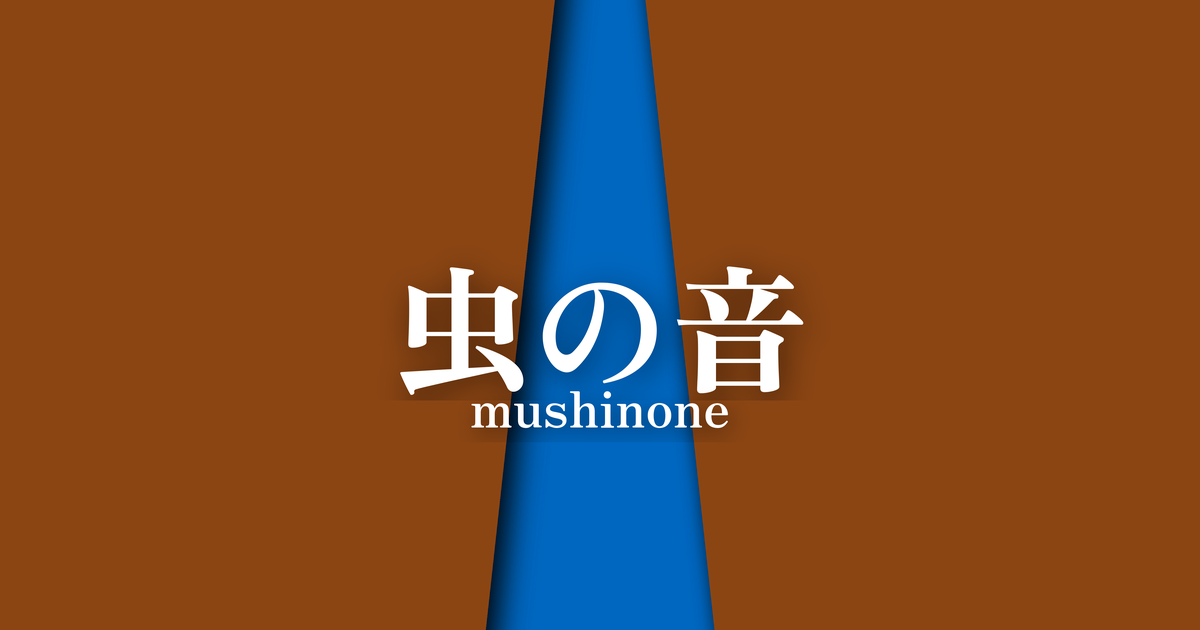
| Japanese color name | Sounds of insects |
|---|---|
| reading | mushinone |
| season | 秋 |
| Color of the table | Chestnut (kuri) |
| Back color | blue (ao) |
What are insect sounds? Origin and etymology
The layered color combination "Insect Sounds," as its name suggests, is a color scheme that evokes the scene of hearing the sounds of insects chirping on an autumn night. The chestnut brown on the outside is said to symbolize withered grass and dry earth, while the blue on the inside symbolizes the clear autumn night sky and the cold dew on the blades of grass. Through the contrast of these two colors, the poignant atmosphere of an autumn night, where the presence of life can be felt amidst the silence, is skillfully depicted.
These colors embody a uniquely Japanese aesthetic, expressing the subtle seasonal changes perceived by Heian-era aristocrats.
Historical background of insect sounds
In the Heian period court, incorporating a sense of the seasons into one's attire was considered an important aspect of refinement. "Kasane no Irome" (layered color combinations) were the epitome of this aesthetic, with aristocrats expressing the changing seasons and natural scenes through the colors of their clothing. "Mushi no Ne" (insect sounds) is a color combination that symbolizes the atmosphere of autumn and is said to have been worn especially in late autumn. It is thought that clothing with this color scheme was favored for occasions that allowed people to enjoy the long autumn nights, such as moon-viewing parties and "mushikiki" (listening to insect sounds) events in the garden.
This reveals the delicate sensibility of the Heian aristocracy, who sought to become one with nature.
Related literature, waka poetry, and seasonal words
The sound of insects was an important motif symbolizing autumn in Heian period literature. In "The Pillow Book," the profound beauty of the sound of insects is described following the section on "Autumn evenings." Also, in the "Bell Cricket" chapter of "The Tale of Genji," there is an elegant scene in which Hikaru Genji listens to the sounds of insects in an autumn garden. The sense of tranquility and pathos of autumn nights expressed in these literary works is deeply connected to the aesthetic sense of the layered color scheme of "insect sounds."
Through the colors of their attire, the nobles embodied the world of stories within themselves.
The dew in the garden chirps along with the sound of crickets; though its color is invisible, my sleeves are wet.
The sounds of insects and the seasons and scenes
"Mushi no Ne" (Sound of Insects) is a color combination worn in the late autumn months, from August to September in the old lunar calendar. The chestnut color on the outside symbolizes fields after the harvest and the earth covered with fallen leaves, while the blue on the inside symbolizes the cool, clear autumn night sky and the dew falling on the grass. In contrast to the tranquility of the daytime, this color scheme evokes the stillness and coolness of the night, creating a melancholic yet deeply evocative atmosphere. It can be said that this color combination reflects the delicate sense of the seasons of the Japanese people, expressing the fleeting stillness between the end of the bustling summer and the arrival of winter.
Color scheme proposal for insect sounds
Kutsuha color (#915E33)
Combining chestnut brown with a similar shade of withered leaf brown creates a color scheme that evokes the deepening of autumn. It creates a natural and calming gradation reminiscent of overlapping fallen leaves, giving a unified and elegant impression.
Bellflower color (#5A4498)
The bellflower color, a shade of purple close to blue, evokes images of autumn wildflowers. The combination of the chestnut-colored earth and the bellflower's purple creates a richer depiction of an autumn field, resulting in an elegant and refined color scheme.
Tsukihaku (#EAF4FC)
The very pale, bluish-white color of "Tsukishiro" (moon white) evokes the moonlight shining in the autumn night sky. Adding Tsukishiro to the combination of chestnut brown and blue adds brightness and clarity to the nocturnal scene, creating a color scheme that tells a story.
Practical Scenes
In traditional Japanese attire, this color scheme is sometimes used in kimonos such as visiting kimonos and casual kimonos worn in autumn. By incorporating the colors of "insect sounds" into accessories such as obi sashes, obiage sashes, and obijime sashes, a sense of the season can be subtly expressed. In modern design, using this color scheme in interiors creates a calm and sophisticated space. Combining chestnut-colored wooden furniture with blue cushions and rugs creates a chic and modern Japanese atmosphere.
For web design and graphic design, it is suitable for autumn campaigns and seasonal content.