
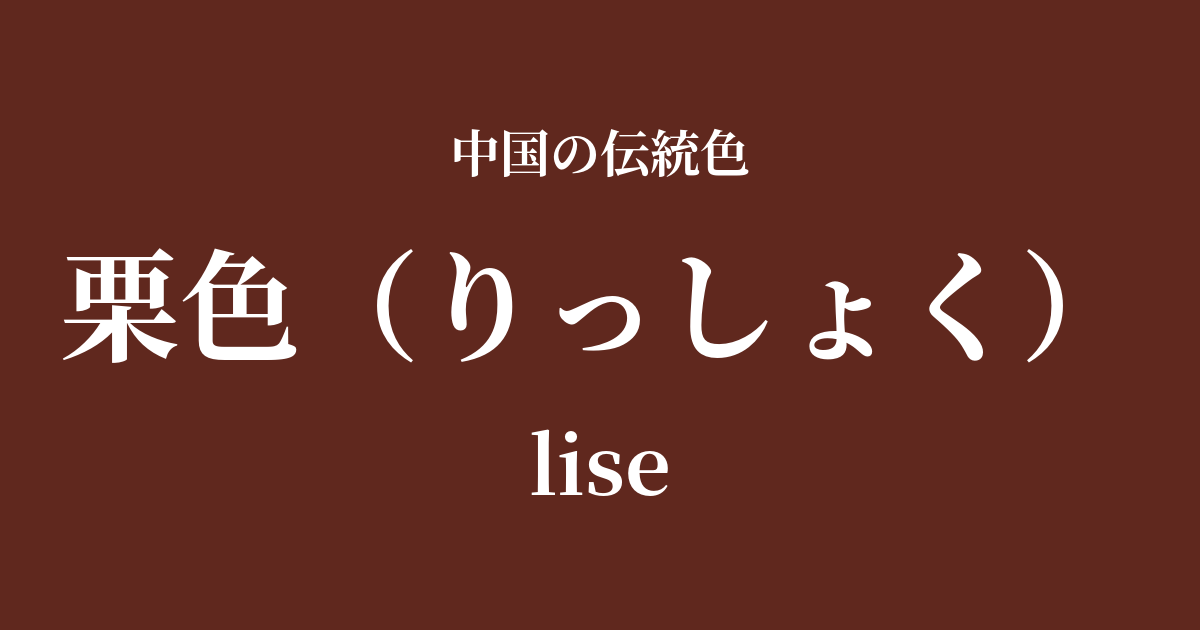
| Color name | sorrel |
|---|---|
| reading | color |
| pinyin | lise |
| HEX | #60281E |
| RGB | 96, 40, 30 |
What is chestnut color? Origin and etymology
Chestnut color, as the name suggests, is derived from the color of chestnuts that ripen in autumn. It refers to a deep reddish-brown color reminiscent of the hard outer shell of a ripe chestnut or the fragrant taste of roasted chestnuts.
This color exists in nature and has been deeply rooted in people's lives since ancient times. Evoking the earth and trees, it conveys feelings of abundance, stability, and simple warmth. Because it could be obtained from readily available plants without the need for special pigments or dyes, it has been a beloved color across different eras and regions.
Chestnut-colored historical background
Rather than being a color that was popular in a particular dynasty, chestnut brown is a color that has been closely associated with the daily lives of ordinary people. Its subdued hue was widely used in everyday clothing, pottery, furniture, and building materials.
In particular, during the Song dynasty, which valued simple and refined beauty, natural and subdued colors like chestnut brown were favored. You can find variations of this color in the furnishings that adorned the studies of literati, as well as in the everyday tableware.
During the Ming and Qing dynasties, a dark brown color, similar to chestnut, was also used in the architecture of the Forbidden City palace. The use of this color on the columns and beams of the magnificently decorated buildings tightened the overall impression, creating a space of grandeur and tranquility.
Chestnut color in Chinese art and crafts
In the world of Chinese art, chestnut brown has a significant presence in various forms. For example, ceramics with a reddish-brown glaze, such as Tenmoku tea bowls made during the Song Dynasty, exhibit a deep hue reminiscent of chestnut brown. These works, which evoke the warmth of the clay and a quiet beauty, convey the aesthetic sensibilities of that era to the present day.
Furthermore, "Ming-style furniture," made during the Ming Dynasty using hardwoods such as rosewood and huanghuali, is characterized by the beautiful grain and deep colors inherent in the wood itself. Chestnut brown harmonizes with the colors of these natural materials, creating a quiet and dignified space.
In the realm of clothing culture, this color was sometimes used for the robes (kesa) of Buddhist monks and for the everyday clothing of ordinary people. While not extravagant, it gave a solid and refined impression, and thus became an integral part of people's lives.
Ginkgo yellow color, chestnut ripe and purple.
Color scheme preview
This is to check the readability of the text when this color is used as the background.
Chestnut color scheme proposal
Anzu (#F7C274)
The deep, calming chestnut color, combined with the bright, soft apricot yellow, creates a warm and elegant feel. It's a pleasant and sophisticated color scheme reminiscent of the bountiful harvest of autumn.
Bean green (#A4B5A1)
The combination of earthy chestnut brown and fresh green leaves evokes a natural landscape. It creates a calming and peaceful color scheme that conveys a sense of vitality.
赭石 (#9D4E3A)
By combining it with ochre of the same brown tone, a gradation with depth and dimension is created. It achieves a sophisticated, mature atmosphere, balancing a sense of weight and a modern impression.
Practical Scenes
In interior design, chestnut brown brings a sense of stability and warmth to a space. Incorporating it into flooring, wooden furniture, and fixtures creates a dignified and calming atmosphere. Using it in accent walls, sofas, curtains, and other fabrics can create a comfortable and relaxing space.
In fashion, incorporating this color into coats, jackets, leather bags, and shoes creates a classic and sophisticated impression. It's a timeless color that's not easily influenced by trends, and it's particularly useful as a base color for autumn and winter outfits.
In web and graphic design, this color is suitable for areas where you want to convey a sense of calm and trustworthiness to the entire site, such as background colors and footers. It is also effective as a theme color for sites showcasing high-end products or traditional culture.