
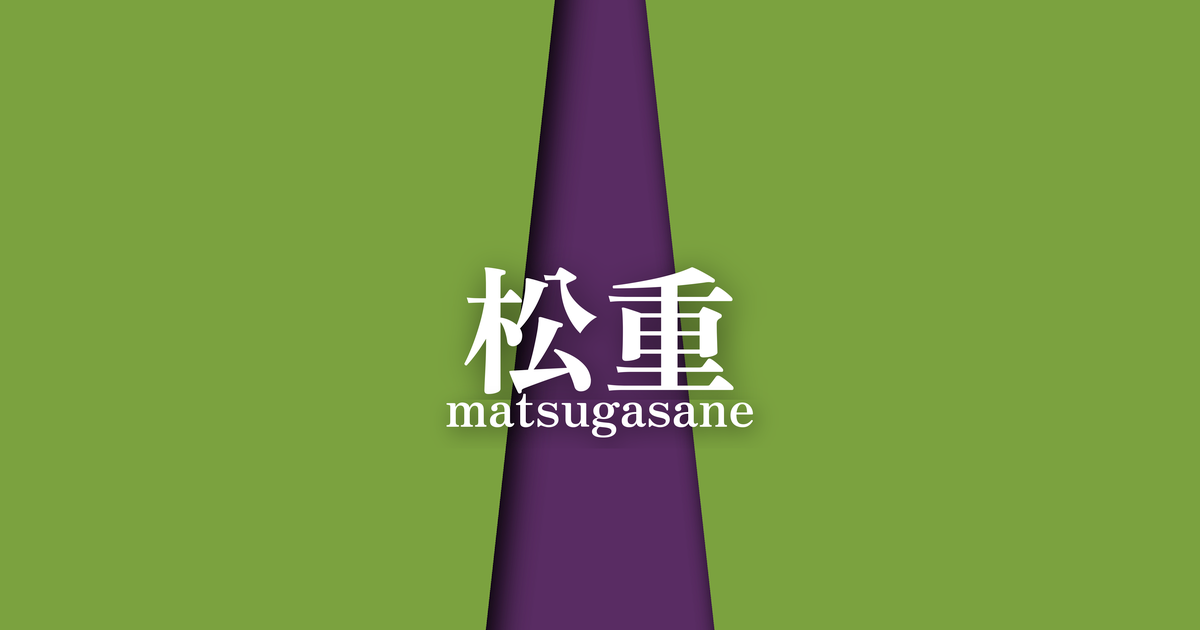
| Japanese color name | Matsushige |
|---|---|
| reading | matsugasane |
| season | 冬 |
| Color of the table | Moegi (light green) |
| Back color | Purple (murasaki) |
What is Matsushige? Origin and etymology
Matsugasane is a color combination that expresses the vitality of the pine tree, an evergreen tree that remains green even in the harsh cold of winter. Its name literally comes from "layering" "pine," with the light green on the outside representing the youthful and powerful pine needles, and the purple on the inside representing the color of the trunk of an old tree or the majestic scenery of winter. By combining the pine, a symbol of longevity and good fortune, with purple, a color that has been considered noble since ancient times, the color combination is one that possesses both elegance and strength.
Matsushige's historical background
In the aristocratic society of the Heian period, expressing the changing seasons through clothing was a sign of refined aesthetic sensibilities. Matsushige, a representative color combination for winter, is said to have been worn especially at celebrations welcoming the New Year and at ceremonies wishing for longevity. Due to the auspicious meaning associated with the evergreen pine, it was highly valued in both public and private settings.
This color scheme is mentioned in historical texts about the clothing of the time, such as the "Masasuke Shōzoku Shō," suggesting that it was a well-established color combination from ancient times.
Related literature, waka poetry, and seasonal words
In Heian literature such as "The Tale of Genji" and "The Pillow Book," the colors of the characters' clothing are deeply connected to the sense of the season and the depiction of their psychology. Although the color name "Matsushige" does not appear directly in many scenes, the image of a snow-capped pine tree is frequently depicted as a winter scene and has also been a subject of waka poetry. This color is thought to have originated from the aesthetic sense of the Heian aristocracy, who sought to recreate the dignified beauty of the pine tree that remains green even in the snow, as depicted in literary works, on the garments.
The pure white snow that accumulates on the pine branches is something I will only behold as I age a thousand years.
Matsushige's Seasons and Scenes
Matsushige is a color combination worn in winter, especially from November to February. The fresh green of pine needles, which does not fade even in a snowy landscape, symbolizes unchanging vitality and hope. On the other hand, the purple of the lining evokes the clear winter night sky and the profoundness of a silent world covered in snow. This color scheme not only reflects the winter nature but also creates a sense of dignity and composure befitting the formal feelings of welcoming the new year and solemn occasions celebrating longevity.
Matsushige's color scheme proposal
Golden (#E6B422)
Pine trees have been depicted as auspicious motifs since ancient times, often appearing on gold-leaf screens. Combining them with gold further enhances the celebratory and longevity symbolism of the pine tree, creating a luxurious and dignified impression.
White (#FFFFFF)
When we think of pine trees in winter, we often picture the image of "snow-covered pines" with snow piled on their branches. The combination with white expresses that pure and dignified beauty, creating a winter landscape full of tranquility and elegance.
Suou (#9E3D3F)
Suou is a deep red color, and its hue is close to that of Matsushige's purple, making them easy to harmonize. It is complementary to Moegi's green, enhancing each other's colors while adding a sense of calm, depth, and a touch of vibrancy to the overall look.
Practical Scenes
Matsushige's color scheme can be used in a variety of situations even today. When incorporated into kimonos, obi sashes, and Japanese accessories, it is possible to elegantly express the feeling of winter. In interior design, using this color scheme for wallpaper and fabrics can create a calm, modern Japanese space. Furthermore, in web design and product packaging, it is an effective color scheme that conveys a sense of traditional Japanese beauty while simultaneously conveying trustworthiness and a sense of luxury.