
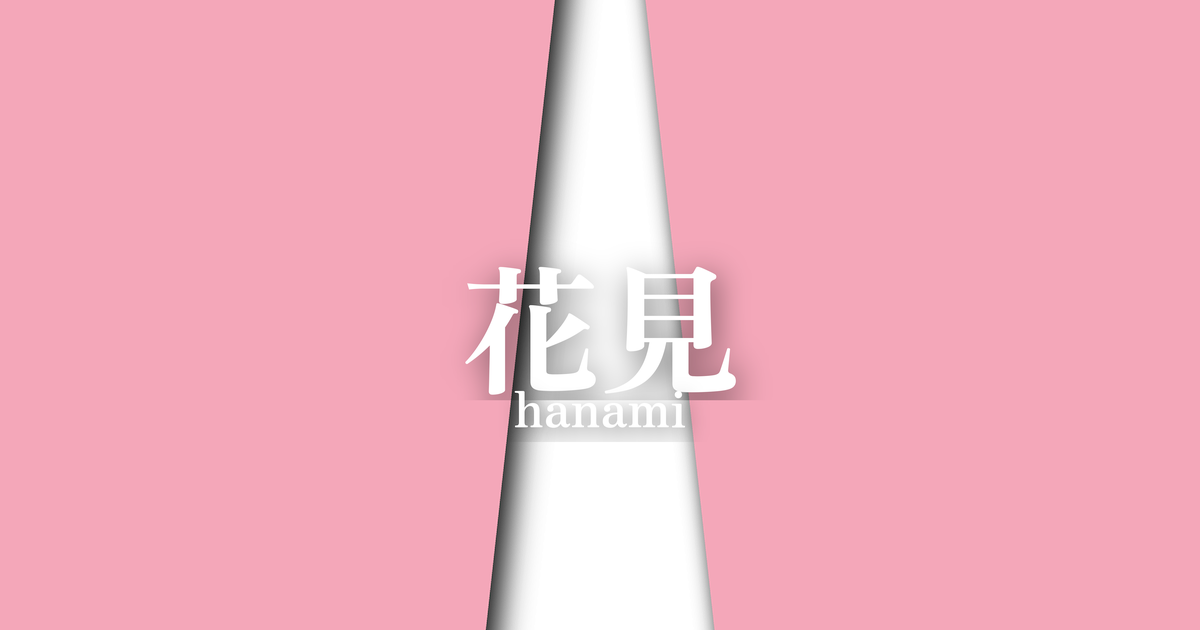
| Japanese color name | Cherry blossom viewing |
|---|---|
| reading | hanami |
| season | 春 |
| Color of the table | Peach (momo) |
| Back color | White (shiro) |
- What is Hanami (cherry blossom viewing)? Origin and etymology
- Historical background of cherry blossom viewing
- Related literature, waka poetry, and seasonal words
- Cherry blossom season and scenery
- Color scheme suggestions for cherry blossom viewing
- Practical Scenes
- FAQ
- Color combinations of the same season (spring)
What is Hanami (cherry blossom viewing)? Origin and etymology
"Hanami" (cherry blossom viewing) is a color combination that originates from the custom of admiring the cherry blossoms that bloom in spring. The pink on the outside represents the fully bloomed cherry blossom petals, while the white on the inside is said to symbolize the delicate colors of the inside of the petals and the gracefulness of their falling petals. For Heian aristocrats, hanami was an important annual event, and by incorporating this color combination into their attire, they richly expressed their appreciation for the beauty of the season. It reveals an elegant sensibility that directly reflected the scenery of nature in the colors of their clothing.
Historical background of cherry blossom viewing
During the Heian period, incorporating seasonal themes into clothing was considered a sign of refinement in aristocratic society. "Kasane no Irome" (layered color combinations) represented the culmination of this aesthetic sensibility, a culture that expressed the changing seasons through color. The "Hanami" (cherry blossom viewing) color combination is thought to have been worn especially during the spring when cherry blossoms were in full bloom. It is presumed that this elegant color scheme was used in the uchiki (outer robes) and kouchiki (short robes) worn by women at cherry blossom viewing parties held at the imperial court and at private cherry blossom viewing gatherings.
Related literature, waka poetry, and seasonal words
In Heian period literature, the word "flower" often referred to "cherry blossoms." Classical literature such as "The Tale of Genji" and "The Pillow Book" contain numerous scenes of aristocrats admiring cherry blossoms and beautiful descriptions of cherry blossom-themed clothing. This demonstrates how closely people of that time were connected to cherry blossoms and how they incorporated their beauty into their lives.
While direct descriptions of the color scheme name "hanami" (cherry blossom viewing) are limited, color schemes inspired by cherry blossoms were a staple of spring attire and an important element in enriching the worldview of literary works.
On this peaceful spring day, bathed in gentle sunlight, the blossoms scatter without a moment's rest.
Cherry blossom season and scenery
"Hanami" (cherry blossom viewing) is a color scheme worn in spring, especially from late March to mid-April when cherry blossoms begin to bloom. The combination of pink on the outside and white on the inside beautifully expresses the scene of cherry trees in full bloom in the gentle spring sunlight. The splendor of the fully bloomed petals and the delicate white peeking out from beneath evoke the bright yet ephemeral beauty unique to spring. It is a suitable color scheme for festive spring events such as cherry blossom viewing parties, and gives the wearer an elegant and cheerful impression.
Color scheme suggestions for cherry blossom viewing
Willow color (#A7C496)
Willow green, the color of young willows in spring, is a combination often featured in Japanese poetry as a symbol of spring scenery, along with cherry blossoms. The sweetness of pink combined with the refreshing feel of willow green expresses a youthful and vibrant spring scene.
Light green (#A9D159)
The fresh green color of young leaves sprouting in spring is almost a complementary color to the pink of cherry blossoms, and they beautifully enhance each other's colors. It's a color combination that evokes the vibrant energy of spring.
Mauve (#BBADDD)
By incorporating wisteria purple, the color that emerges when the cherry blossom season ends and wisteria flowers begin to bloom, you can express the changing seasons of spring. It creates an elegant, calm, and sophisticated atmosphere.
Practical Scenes
In traditional Japanese clothing, the "hanami" (cherry blossom viewing) color scheme is incorporated into spring kimonos such as visiting kimonos, casual kimonos, and furisode (long-sleeved kimonos), as well as obi sashes and accessories like obiage (sash ties) and obijime (sash cords). Wearing these outfits, especially for cherry blossom viewing parties or tea ceremonies, creates a vibrant and seasonal look. The entire outfit reflects a traditional Japanese aesthetic, expressing a spirit of celebrating spring.
In contemporary design, its gentle and bright hues make it suitable for website banners, packaging for limited-edition spring products, and as an accent color in interiors. It's particularly well-suited for designing products and services aimed at women, effectively creating a calm and joyful atmosphere. Its wide range of applications allows viewers to feel the arrival of spring.