
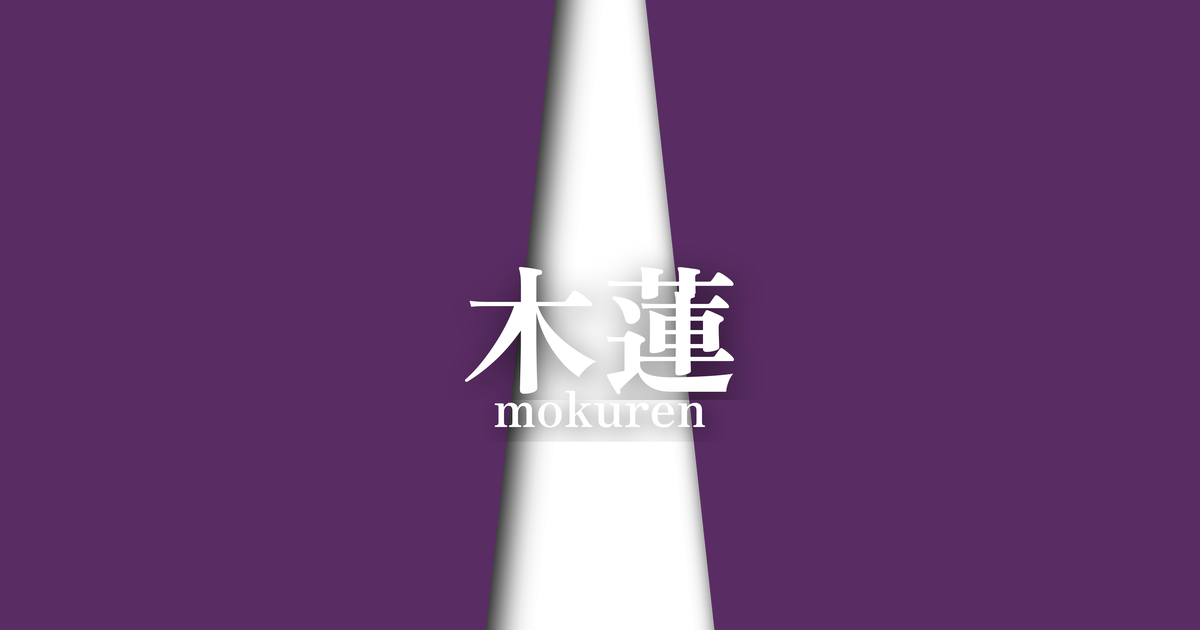
| Japanese color name | Magnolia |
|---|---|
| reading | mokuren |
| season | 春 |
| Color of the table | Purple (murasaki) |
| Back color | White (shiro) |
What is a magnolia? Origin and etymology
The name "Mokuren" (magnolia) literally derives from the magnolia flower that blooms in spring. The purple on the front is said to represent the elegant outer color of the magnolia's petals, while the white on the back represents the pure inner color. This color scheme evokes the graceful image of the magnolia blooming proudly under the still chilly early spring sky. Heian-era aristocrats skillfully incorporated natural landscapes into their clothing, delicately expressing the changing seasons. The colors of the magnolia were cherished as one of the symbolic color schemes that heralded the arrival of spring.
Historical background of the magnolia
The layered color scheme of the Heian period is a unique sense of color that was refined among the aristocracy as the Heian-era Japanese culture matured. They expressed seasonal scenes, plants, and emotions through the combination of colors of the outer and inner fabrics of their garments, or the colors of the layered clothing. The magnolia color scheme was used for spring attire and was particularly favored during the early spring when the weather was still chilly. It is said that it was worn at cherry blossom viewing parties in the imperial court and at ceremonies celebrating spring, delighting those who saw it with its noble colors.
Related literature, waka poetry, and seasonal words
In Heian period literature, there are not many instances where the color combination of "magnolia" is directly mentioned. However, "The Tale of Genji" and "The Pillow Book" contain abundant descriptions of seasonal flowers and colors, revealing how the aristocracy of the time incorporated the beauty of nature into their lives. The purple and white color scheme of the magnolia resonates with the elegant spring scenes depicted in these stories.
Furthermore, in the world of haiku, "magnolia" and "purple magnolia" are used as seasonal words for spring, indicating that they have been cherished since ancient times as flowers that herald the arrival of spring.
As I gaze upon the scattered blossoms, unable to bear the thought, I long for even last spring.
Magnolia season and scenery
The magnolia-inspired color scheme is typically worn from February to March, signaling the arrival of spring. Breaking the winter silence, the magnolia blossoms, which bloom before the leaves appear, symbolize the beginning of a new season and the breath of life. The deep purple of the outer layer evokes the stillness and noble atmosphere of pre-dawn, while the white of the inner layer suggests the purity of melting snow and the innocence of the flower. This color combination reflects the hearts of those eagerly awaiting spring and adds elegance and splendor to the attire of the still chilly season.
Magnolia color scheme proposal
Light green (#A5C949)
By combining it with the fresh green color of spring grass, it expresses a vibrant spring scene full of life. The noble purple of the magnolia is given a youthful and vivid impression. This is a traditional color scheme that can also be seen in the clothing of the Heian period.
Golden (#E6B422)
The combination of noble purple and gold creates an even more splendid and dignified impression. This majestic combination, often seen in Buddhist art and furnishings, is suitable for attire and designs for special occasions.
Light ink color (#888289)
By combining it with the pale color of ink, the elegance of the magnolia's purple is enhanced, creating a calm and refined atmosphere. This color scheme can express a hazy and fantastical scene, like that of a spring mist.
Practical Scenes
In modern Japanese attire, incorporating the colors of magnolia blossoms into formal kimonos such as visiting kimonos, semi-formal kimonos, and obi sashes creates an elegant and spring-like look. It is especially suitable for occasions such as early spring tea ceremonies and theater performances. Even incorporating this color into accessories can create a sense of the season.
In interior design, using the color of magnolia in wallpaper and fabrics brings a sense of calm and elegance to a space. Adding purple as an accent in cushions or artwork to a room with a white base creates a sophisticated impression.
In web and graphic design, this color scheme is effective when you want to convey a sense of luxury or tradition. It is suitable for cultural content, Japanese-themed brands, and the promotion of luxury goods.