
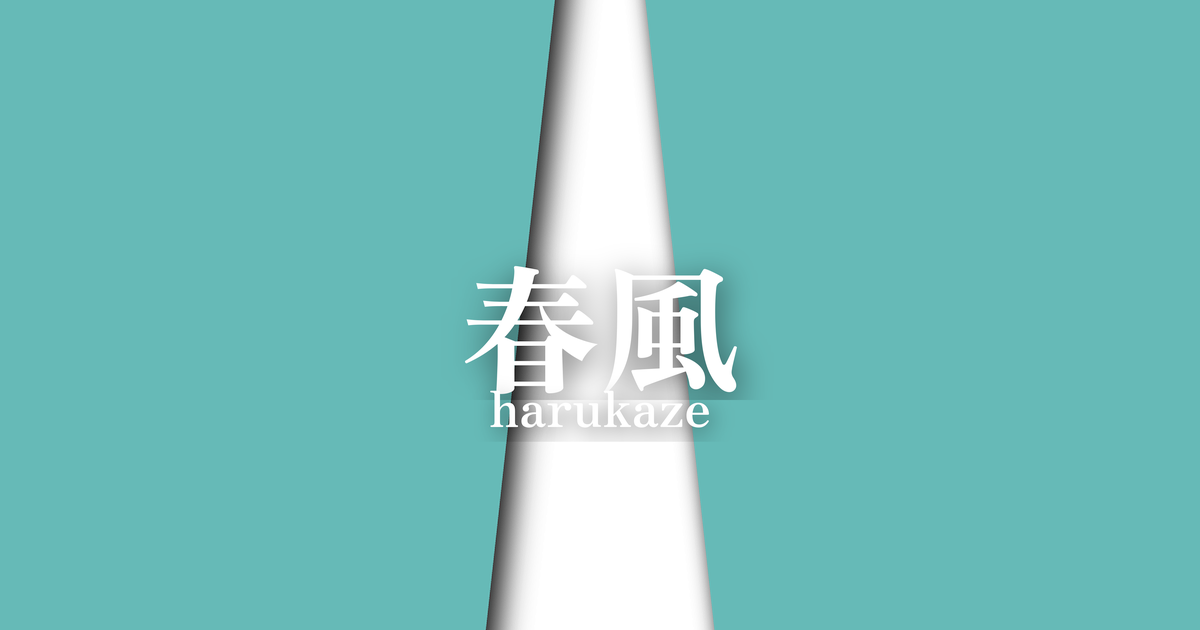
| Japanese color name | spring breeze |
|---|---|
| reading | harukaze |
| season | 春 |
| Color of the table | light blue (mizuasagi) |
| Back color | White (shiro) |
What is a spring breeze? Origin and etymology
Harukaze (Spring Breeze), as its name suggests, is a color combination that expresses the gentle atmosphere of spring. The pale blue of the outer layer is said to symbolize the hazy spring sky and the color of the newly sprouted leaves, while the white of the inner layer symbolizes the remaining snow and the spring sunshine. This soft and refreshing color scheme beautifully captures the joy of the arrival of spring, when the harshness of winter eases and life begins to flourish, and the feeling of a pleasant breeze blowing through. It is one of the color combinations that originated from the keen aesthetic sense of the Heian aristocracy, who expressed the subtle changes of nature through color.
Historical background of spring breezes
The culture of layered color combinations was refined in the aristocratic society of the Heian period. They were keenly aware of the changing seasons and passionately devoted themselves to expressing their beauty through the color schemes of their clothing. "Harukaze" (Spring Breeze) is one such color combination that arose from this aesthetic sensibility. This refreshing color scheme, which heralds the arrival of spring, is presumed to have been worn at celebratory occasions such as cherry blossom viewing parties and seasonal ceremonies at the imperial court. It strongly reflects the spirituality of the people of that time who sought to become one with nature.
Related literature, waka poetry, and seasonal words
It is difficult to find any direct mention of the color name "Harukaze" (spring breeze) in classical literature. However, the passage in Sei Shōnagon's "The Pillow Book" that reads, "In spring, it is dawn. The mountain peaks gradually turn white, a faint light appears, and thin clouds with a purple tint trail across the sky," resonates deeply with the worldview created by the pale blue and white of "Harukaze."
Furthermore, the attire of the noblemen depicted in "The Tale of Genji" also emphasizes a sense of the seasons, suggesting that such refreshing colors would have been preferred in spring scenes.
The spring breeze blows across the blossoms; perhaps it is my own will that I see them shifting.
The season and scenery of spring breezes
"Harukaze" (Spring Breeze) is a color scheme worn during the season that heralds the arrival of spring. Specifically, it is considered most appropriate for early spring, when the chill still lingers, from the beginning of spring to March. The light blue on the outside evokes the sprouting grass and the hazy spring sky, while the white on the inside is reminiscent of melting snow and soft sunlight. This color scheme captures the delicate gradation of nature during the transition from winter to spring, giving the viewer a calm and refreshing impression.
It is thought to have been a popular drink for strolling through the fields and mountains in spring, or for celebrations marking the beginning of the season.
Spring Breeze Color Scheme Proposal
Cherry blossom pink (#FEEAFA)
By combining it with the colors of cherry blossoms, a quintessential spring flower, the impression becomes even more vibrant and spring-like. It is a classic and beautiful color scheme that evokes the image of cherry blossoms blooming against a pale blue sky.
Light green (#A9D159)
Adding the fresh green color of newly sprouted leaves emphasizes the vibrant image of spring. It is close to a complementary color to the pale blue of the spring breeze, and has the effect of making each other stand out.
Gray white (#E9E4D4)
Combining it with a grayish-white color reminiscent of mist or the soft light of spring creates an overall calm and elegant atmosphere. It enhances the refreshing feel of light blue while giving a sophisticated impression, making it easy to apply to modern designs.
Practical Scenes
The "Spring Breeze" color scheme can be used in a variety of situations even today. Incorporating these colors into kimonos and Japanese accessories will create an elegant look that expresses the feeling of spring. In interior design, using them in curtains and wallpaper will bring a calm and refreshing atmosphere to the room. Furthermore, in website and advertising design, using them as the background color for spring-limited products or content themed around new beginnings will give viewers a fresh impression.