
| Japanese color name | white group |
|---|---|
| reading | Byakugun |
| season | Miscellaneous (year-round/celebratory) |
| Color of the table | Byakugun |
| Back color | White (shiro) |
What is Hakugun? Origin and etymology
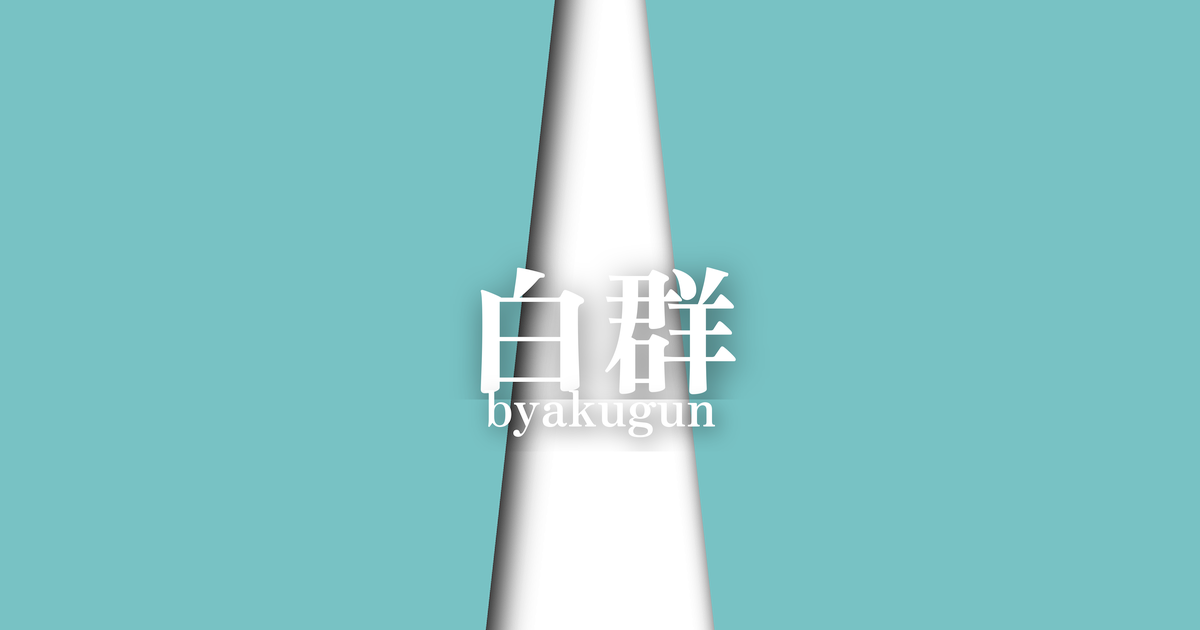
Hakugun is a color name derived from "gunjo," a type of mineral pigment used in Japanese painting. Gunjo is a blue pigment made by crushing azurite, and when the particles are finer, it is called "hakugun." As a pigment, hakugun is whiter than pure gunjo, exhibiting a bright, pale blue-green hue. It is thought that this clear and elegant color became associated with the aesthetic sensibilities of the Heian aristocracy and was incorporated into the color combinations of layered garments.
The combination of the white on the front and the white on the back expresses the harmony between the delicate colors inherent in the pigments themselves and the white that symbolizes purity.
Historical background of Hakugun
During the Heian period, various "layered color combinations" were used in the twelve-layered kimono and court attire worn by the aristocracy to express the changing seasons. White-blue was classified as a "miscellaneous" color, not limited to a specific season, and was primarily worn at celebratory occasions and auspicious events. Because this color was made from ultramarine, an expensive mineral pigment, it is believed to have been a special color that only people of high social standing could use.
In court ceremonies and banquets, the white and blue attire likely served to highlight the wearer's dignity and purity.
Related literature, waka poetry, and seasonal words
The color name "Hakugun" itself has not been found to appear directly in major Heian period literary works such as "The Tale of Genji" or "The Pillow Book." However, these works frequently feature blue-based color names such as "asagi" (light blue) and "hanada" (indigo), suggesting that blue played an important role in the aristocratic society of the time. Hakugun may have been perceived as a more delicate and noble shade within this blue-based color culture.
In particular, the refreshing color scheme may have been associated with images of summer scenes and cool, summery attire.
The season and scenery of white rocks
White is classified as a "miscellaneous" color and is used year-round, but its clear hue strongly evokes a sense of a specific season. In particular, it is thought to have been favored for summer attire because it reminds us of the clear skies of early summer or the flow of pure water. Furthermore, when combined with a white lining, it can evoke the clear winter sky or thin ice, expressing a dignified atmosphere. When used at celebratory occasions, its pure and noble hue played a role in symbolizing sanctity and formality.
White group color scheme proposal
Mauve (#BB9FCD)
The bluish tint of the white-green color, combined with the reddish tint of the wisteria-colored shade, creates an elegant and refined impression. This noble color scheme symbolizes the aristocratic culture of the Heian period and is suitable for expressing the arrival of spring and refined femininity.
Kutsuha color (#917347)
The refreshing coolness of the white and the warm, withered brown contrast harmoniously, creating a calm and intellectual impression. This color scheme evokes a scene of early autumn, resulting in a profound combination that reflects the changing seasons of nature.
Golden (#E6B422)
The purity of the white is enhanced by the shimmer of gold, creating a dignified and opulent atmosphere. This color scheme is suitable for celebratory occasions and special decorations, and is effective in expressing sanctity and luxury.
Practical Scenes
In the Heian period, this color was primarily used in women's uchiki (a type of kimono) and men's noshi (another type of robe), mainly for celebratory occasions. In modern times, its elegant and refreshing hue has led to its frequent use in kimonos, obi (sashes), and Japanese accessories. It is particularly popular as a color scheme for summer kimonos and yukata. In interior design, using it in wallpaper or curtains brings a refreshing and calming atmosphere to the entire room.
In web design and graphic design, it can be used as an accent color in minimalist designs because it gives a clean and sophisticated impression.