
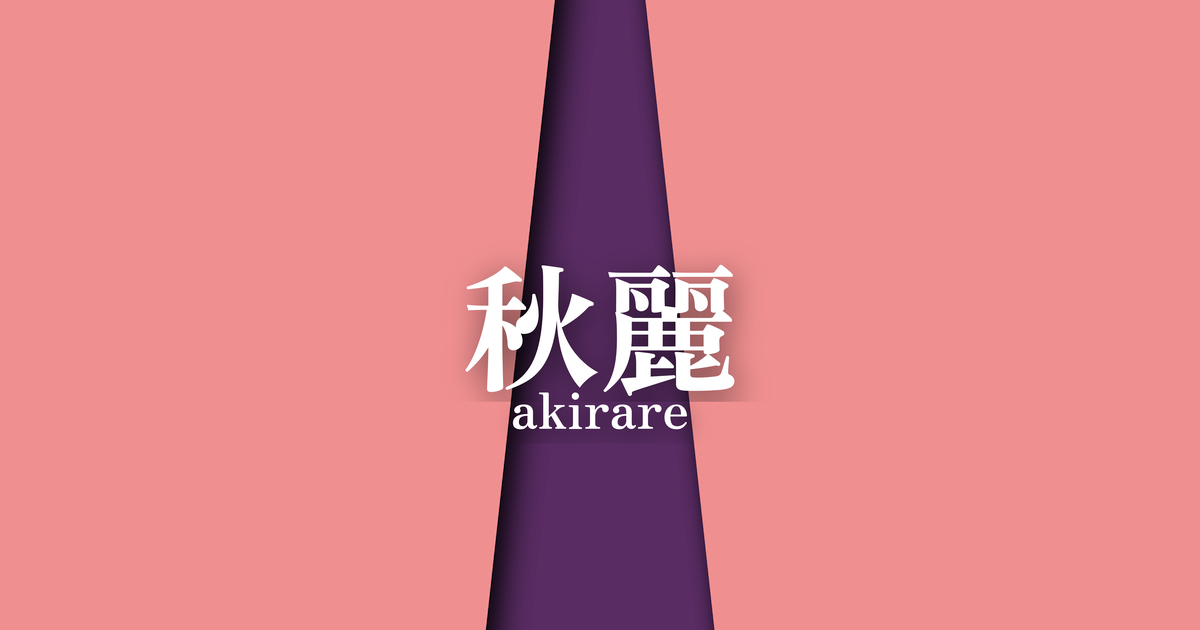
| Japanese color name | Aki Rei |
|---|---|
| reading | akirare |
| season | 秋 |
| Color of the table | Light red (usubeni) |
| Back color | Purple (murasaki) |
What is "Shurei"? Origin and etymology
The name "Shurei" (秋麗) is thought to originate from a word meaning the gentle sunshine and clear air of autumn. The pale pink on the front is said to represent the carnations and bush clover flowers that bloom in the autumn fields, or the color of the twilight sky, while the purple on the back is said to symbolize the colors of autumn grasses such as bellflowers and gentians, or the arrival of night. This color scheme skillfully expresses the gentle yet somewhat melancholic atmosphere of autumn, and is said to reflect the delicate aesthetic sense of the Heian aristocracy.
Historical background of autumn beauty
In the aristocratic society of the Heian period, expressing the changing seasons through the colors of one's clothing was considered an important aspect of refinement. "Kasane no Irome" (layered color combinations) represented the culmination of this aesthetic sense and also served to indicate an individual's sensibilities and social status. It is imagined that color combinations like "Shurei" (autumn beauty) were worn at autumn court ceremonies and private gatherings. In particular, they were likely favored as elegant attire that enhanced the atmosphere of occasions where people enjoyed the beauty of autumn, such as moon-viewing parties and the Chrysanthemum Festival.
Related literature, waka poetry, and seasonal words
Currently, no classical literary works have been identified that directly feature a color combination called "Shurei" (autumn beauty). However, in works such as "The Tale of Genji" and "The Pillow Book," colors like light pink and purple are effectively used in scenes describing autumn scenery. For example, in the lonely autumn evenings that Hikaru Genji spends in Suma, and in the passage where Sei Shonagon says, "Autumn is best at dusk," these colors are depicted as symbols of the beauty and melancholy of autumn.
The color scheme of Akirei is thought to be deeply connected to this literary aesthetic.
Autumn beauty and scenery
"Shurei" (秋麗), as its name suggests, is a color scheme worn during the mild autumn weather, specifically from September to November. The light pink on the outside evokes cosmos flowers, bush clover, or the sky tinged with the colors of a sunset, while the purple on the inside brings to mind the deep, clear autumn night sky or the colors of gentians and bellflowers blooming in the fields. This color scheme, which captures the ever-changing colors of nature, is perfect for elegant occasions such as harvest celebrations, leaf-viewing, and moon-gazing.
The understated yet subtly elegant color scheme highlights the wearer's intelligence and refinement.
Autumn Beauty Color Scheme Proposal
White training (#FFFFFF)
The purity of the white base complements the elegance of the pale pink and purple of autumn beauty. It evokes the clear air and morning mist of autumn, resulting in a refined and sophisticated color scheme. In traditional Japanese clothing, it is used as the color of the akome (undergarment).
Kutsuha color (#917347)
The deep brown of withered leaves evokes the feeling of autumn, further enhancing the sense of the season. The calming tones of withered leaves, combined with the vibrant colors of autumnal beauty, create a mature and serene autumn scene. This combination is easily applicable to modern fashion and interior design.
Joroka (#F2F261)
Patrinia scabiosifolia is one of the seven autumn flowers, characterized by its vibrant yellow color. Its pale pink and purple colors are almost complementary, enhancing each other's beauty. It evokes the lively atmosphere of flowers blooming in the autumn fields, creating a sense of vibrancy and splendor.
Practical Scenes
In Heian period attire, it is believed to have been worn as a women's uchiki (a type of kimono). The light pink of the outer fabric and the purple lining that was revealed with each step would have created an elegant movement. In modern times, incorporating it into kimono and obi coordination can create a classic and refined autumn look. Furthermore, in web design and graphics, using it as a background or accent color can create a calm, Japanese, and feminine atmosphere.
In interior design, using this color scheme for fabrics such as cushions and curtains can give a room a seasonal feel and a sophisticated impression.