
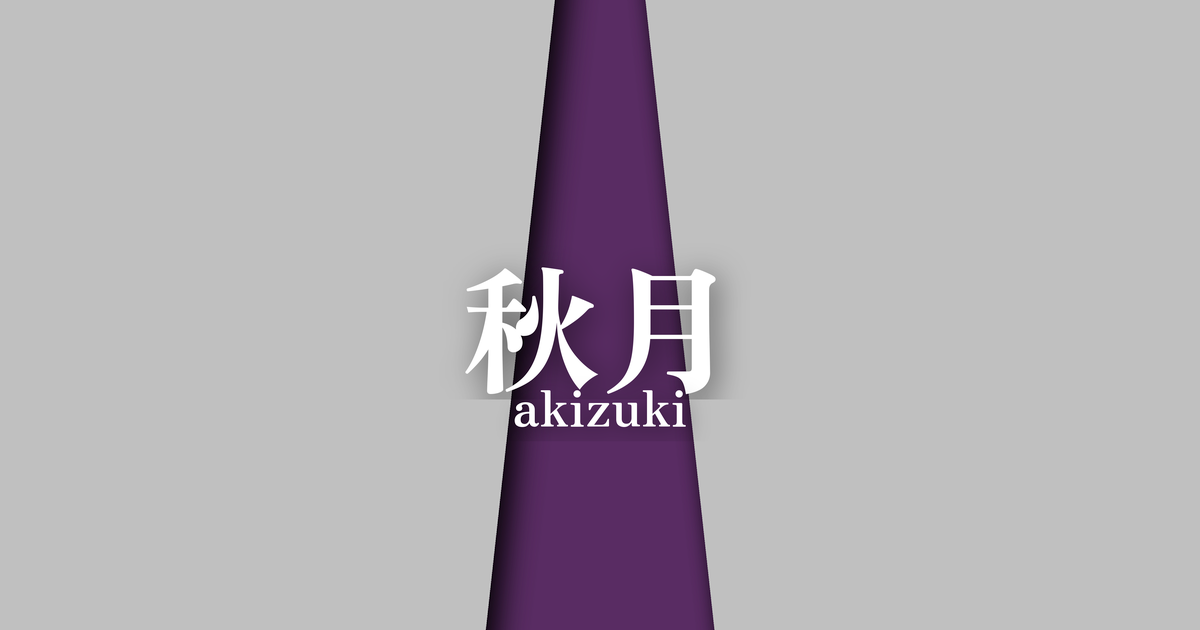
| Japanese color name | Akizuki |
|---|---|
| reading | akizuki |
| season | 秋 |
| Color of the table | silver (gin) |
| Back color | Purple (murasaki) |
What is Akizuki? Origin and etymology
"Akizuki" (Autumn Moon), as its name suggests, is a color combination inspired by the moon floating in the autumn night sky. The "silver" on the front symbolizes the bright, clear moonlight shining in the crisp autumn air. On the other hand, the "purple" on the back is said to represent the deep, quiet autumn night sky and the atmosphere of the night before it is illuminated by the moon. This contrast between silver and purple beautifully expresses the scene of an autumn night filled with tranquility and purity, revealing the keen observational skills and rich sensibilities of the Heian aristocracy towards nature.
The etymology is straightforward, combining "autumn" and "moon." For people in the Heian period, the moon, especially the autumn moon, was a special object of appreciation. Moon-viewing parties were held, and many waka poems were composed, indicating its cultural importance. This color scheme originated from this culture of appreciating the moon and strongly reflects the aesthetic sensibilities of the people of that time, who embodied the beauty of the seasons through their clothing.
Historical background of Akizuki
The concept of layered colors in kimono developed during the Heian period as a form of national culture matured, representing the aesthetic of color in the clothing of the court nobility. "Akizuki" (Autumn Moon) is one such example, and it is believed to have been worn during the autumn season, especially when the moon was particularly beautiful. While there are no detailed records of its specific use, it is presumed that this color combination was favored in elegant occasions such as moon-viewing banquets and court ceremonies. The combination of silver and purple embodies nobility and tranquility, and likely functioned as a way to demonstrate the wearer's intelligence and refinement.
In Heian period attire, the changing seasons and natural scenery were expressed through the combination of colors of the outer and inner fabrics of garments, and through the gradation of colors in the layers of clothing worn. "Autumn Moon" is said to have been used in the uchiki (outer robe) of court ladies' attire. It is thought that the subtle glimpse of the purple lining with each movement created a refined yet striking beauty, like moonlight shining into a still night sky.
Related literature, waka poetry, and seasonal words
While no specific classical literary works directly feature the color name "Akizuki" (autumn moon), the autumn moon is an extremely important motif in Heian period literature. In the "Suma" chapter of "The Tale of Genji," there is a scene in which Hikaru Genji gazes at the moon while longing for the capital in his lonely exile, skillfully expressing both the beauty and melancholy of the moon.
Furthermore, the section following the famous line "Autumn is best at dusk" in "The Pillow Book" praises the "very bright moon," indicating that the aristocrats of the time held a special affection for the autumn moon. The scenes of the autumn moon depicted in these literary works can be said to be deeply connected to the aesthetic sensibilities associated with the color of the "autumn moon."
When I look at the moon, countless sorrows fill my heart, though this autumn is not just for me alone.
Autumn Moon's Season and Scenery
"Akizuki" (Autumn Moon) is a color scheme worn during the long autumn nights from August to September in the old lunar calendar. It is especially fitting for the time of the Mid-Autumn Festival, when the air is clear and the moon is said to be at its most beautiful. The silver on the front evokes the cool, shining moonlight, while the purple on the back is reminiscent of the deep, expansive night sky, creating a quiet and dignified atmosphere of an autumn night.
This color scheme goes beyond merely representing the seasons; it seems to reflect the tranquility brought about by moonlight and the introspective feelings it evokes.
This color scheme is suitable for a variety of occasions, including moon-viewing parties, evening music performances, and strolls through beautiful autumn gardens. In modern kimono, this color combination is appropriate for occasions requiring a calm and intellectual atmosphere, such as autumn theater performances, art appreciation, and formal tea ceremonies. In Japanese traditional culture, which values the sense of the seasons, this refined color scheme expresses the arrival and charm of autumn through attire.
Akizuki's color scheme proposal
Kutsuha color (#915E33)
By incorporating a withered leaf color reminiscent of fallen autumn leaves, a subtle hint of autumn on the ground is added to the moonlit scene. The warmth of the earth and trees is added to the cool impression of silver and purple, resulting in a color scheme that completes a deeper autumn landscape.
Dayflower color (#38A1DB)
The blue of the dew-covered dayflower symbolizes the crisp autumn air. Adding this vibrant blue as an accent to the silver and purple nighttime color scheme allows us to express the pure air before dawn and the sparkle of dew illuminated by moonlight.
Black (#333333)
The ink-black color, symbolizing the darkness of night, creates a natural gradation with the purple lining, emphasizing the profoundness of the night sky. The silvery moonlight stands out even more, creating a combination that gives a serene, tense, and refined impression.
Practical Scenes
In traditional Japanese clothing, the "Autumn Moon" color scheme, when incorporated into formal kimonos or obi sashes, creates a stylish look that evokes the feeling of autumn. It is also effective to use it as an accent in accessories, such as adding a purple pattern to a silver obi sash or pairing a purple kimono with a silver obi cord. Its noble and refined atmosphere makes it suitable for formal occasions.
The "Akizuki" color scheme remains appealing in contemporary design. In interior design, using it for bedroom wallpaper or curtains can create a quiet and calming atmosphere. In website and graphic design, using deep purple for the background and silver for logos and headings can convey a sense of luxury and sophistication, drawing the viewer in.