
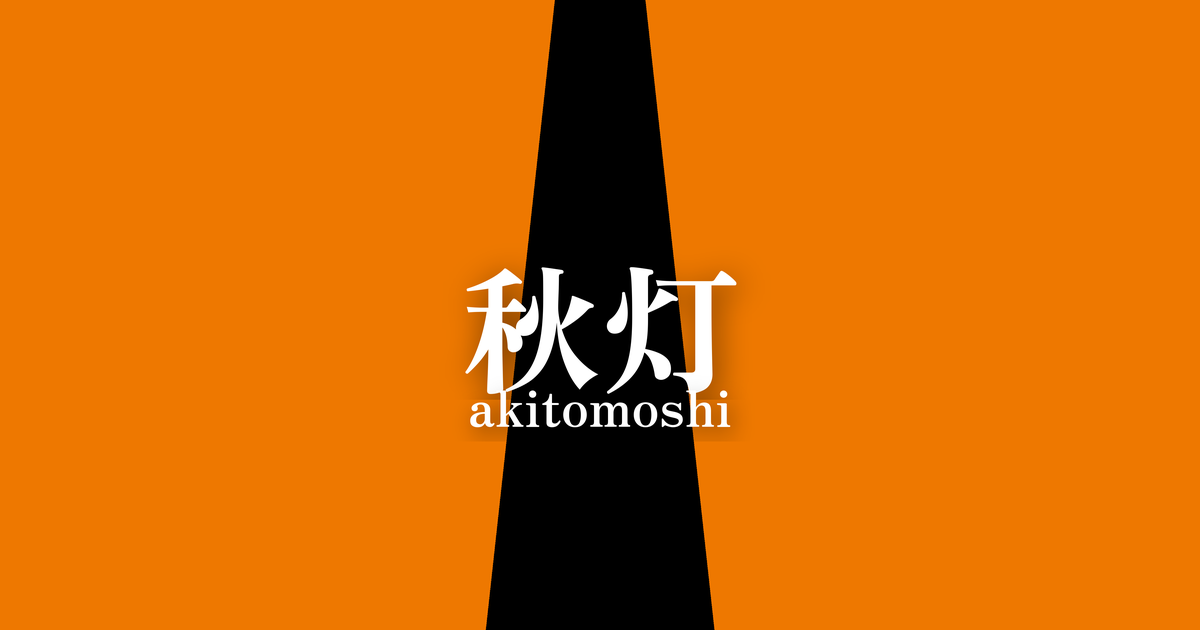
| Japanese color name | Autumn lights |
|---|---|
| reading | akitomoshi |
| season | 秋 |
| Color of the table | Orange (daidai) |
| Back color | Black (kuro) |
What is an autumn lantern? Origin and etymology
"Autumn Light" (秋灯) is a color combination that, as its name suggests, represents the light shining on an autumn night and the surrounding darkness. The orange on the outside symbolizes the warm flame of a lantern or candlestick, while the black on the inside is said to represent the quiet darkness of an autumn night. It strongly reflects the aesthetic sense of the Heian aristocracy, who captured natural landscapes and phenomena with delicate sensibility and translated them into clothing color schemes. It is a fascinating example of a color combination named after a scene related to human activities rather than directly depicting plants or animals.
Historical background of the Autumn Lantern Festival
The concept of "kasane no irome" (layered color combinations) is a refined aesthetic of clothing colors that developed primarily among court ladies during the Heian period as Japanese culture matured. Choosing appropriate color combinations according to the changing seasons and the nature of the ceremony was considered an important element in demonstrating the wearer's education and sensibility. Color combinations that evoke scenes such as "autumn lamps" are thought to have been particularly favored in private settings and elegant gatherings.
Although there are not many specific records of people wearing these garments, they are a valuable cultural heritage that tells us how much importance people placed on the sense of the seasons at that time.
Related literature, waka poetry, and seasonal words
The color name "Autumn Lamp" does not directly appear in classical literature such as "The Tale of Genji" or "The Pillow Book." However, these works frequently depict scenes of autumn nights, and this is an important element that deepens the atmosphere of the stories. For example, in the section "Autumn is Twilight" in "The Pillow Book," the changing of the sky from sunset to night and the sounds of insects heard in the distance are described with great emotion.
The silence and loneliness of autumn nights depicted in these literary works resonate deeply with the worldview expressed in "Autumn Lamp."
Autumn Lights and Scenery
"Autumn Lamp" expresses the feeling of late autumn, when the nights become longer and the air cools down. The best time to wear it is from September to October in the old lunar calendar, or from October to November in modern times. As the saying goes, "One should cherish the light of a lamp," evoking scenes of reading or contemplating during the long, quiet autumn nights. The contrast between the warm color of the lamp and the deep darkness creates a sense of calm and warmth, skillfully expressing the atmosphere of an autumn night through clothing.
Autumn Lantern Color Scheme Proposal
Withered leaf color (#917347)
By combining it with the husky color of withered leaves, another color representative of autumn, the deepening autumn scenery can be expressed more richly. The warmth of orange and the subdued tone of withered leaves harmonize, resulting in a traditional color scheme with a sense of calm and depth.
Indigo Iron (#293047)
The deep, dark blue of the iron-blue color evokes the clear night sky of autumn. When combined with the color of orange lamplight, it creates a beautiful contrast reminiscent of lights shining under the night sky, giving it a modern and sophisticated impression.
Moon White (#EAF4FC)
By combining it with a very pale, bluish-white color reminiscent of moonlight, the stillness and clear air of an autumn night are expressed. The strong contrast between orange and black is softened, adding an elegant and fantastical atmosphere.
Practical Scenes
In the Heian period, this color scheme was used in court ladies' uchiki (outer robes) and was likely favored for autumn evening banquets and private occasions. Its elegant color combination probably served as a way to express the wearer's intelligence and refined sensibilities. In modern Japanese clothing, incorporating this color scheme into autumn kimonos such as houmongi, komon, obi, and obiage (sash ties) allows for a stylish and seasonally appropriate look.
The "Autumn Light" color scheme can be applied to contemporary design fields as well. In interior design, using it in cushion covers or indirect lighting shades can bring a warm and calming atmosphere to a room. In web design and graphics, using it as an accent color can attract attention while creating an autumnal mood and adding depth to the content.