
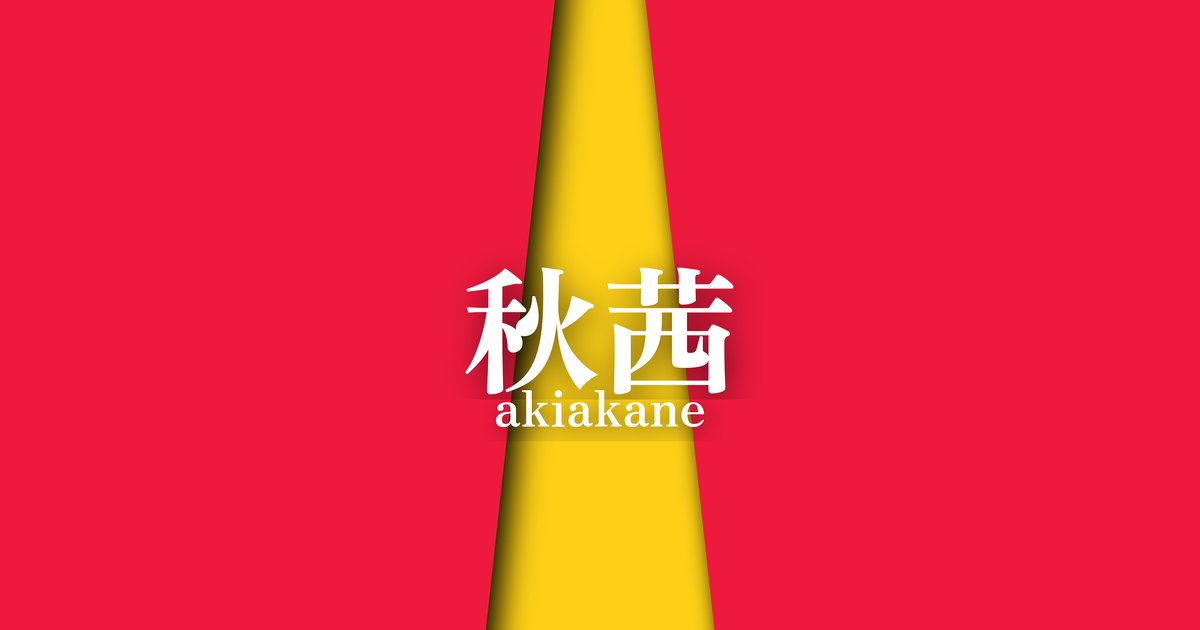
| Japanese color name | Akane Akane |
|---|---|
| reading | akiakane |
| season | 秋 |
| Color of the table | Red (aka) |
| Back color | Gold (kin) |
What is Akane? Origin and etymology
Akiakane, as its name suggests, is a color combination that expresses the scene of red dragonflies (Akiakane) soaring through the autumn twilight sky. The vibrant red on the outside represents the dragonfly's body color, while the gold or deep yellow on the inside is said to symbolize the wings shimmering in the setting sun or the color of ripe rice stalks. This seasonal color scheme beautifully captures the vivid yet somewhat nostalgic colors of Japan's rich autumn nature through the combination of the outer and inner layers of the garment.
Historical background of autumn crimson
The concept of layered colors developed within the refined culture of the Heian period aristocratic society, where people enjoyed incorporating the changing seasons into their clothing. Autumn madder is one such example, and it is said to have been a color combination worn in autumn, especially from September to October. This color scheme was used in the uchiki (outer robes) worn by court ladies, and it is thought to have richly expressed the sense of the season in scenes such as autumn walks in the fields and mountains or moon-viewing parties.
This color scheme is one of the colors that symbolizes the delicate aesthetic sense of the Heian aristocracy, reflecting the beauty of nature in their clothing.
Related literature, waka poetry, and seasonal words
It is difficult to find direct descriptions of the "autumn crimson" color combination in classical literature. However, in works such as "The Tale of Genji" and "The Pillow Book," there are numerous scenes depicting characters wearing clothing in exquisite colors appropriate to the season, clearly indicating the existence of an aesthetic sense for color schemes that reflected the scenery of autumn. "Crimson" and "red dragonfly" have long been used as seasonal words for autumn in waka and haiku poetry, and have been associated with the colors of the twilight sky and autumn leaves.
The sense of the seasons that permeates these literary works is deeply connected to the aesthetic sensibility of the color crimson in autumn.
A red dragonfly is perched on the tip of the fishing rod.
The season and scenery of autumn crimson
The autumn crimson color symbolizes a quintessential autumn scene: red dragonflies dancing against the crimson sky at dusk. The red on the outside represents the dragonfly, while the gold (yellow) on the inside represents the light of the setting sun and the golden rice stalks, evoking both the abundance of autumn's harvest and the somewhat melancholic feeling of the changing seasons. The most appropriate time to wear this garment is said to be from September to October, as autumn deepens.
As attire for events celebrating autumn nature, such as viewing autumn foliage or attending chrysanthemum viewing parties, it likely played a role in further enhancing the atmosphere of the occasion.
Autumn Crimson Color Scheme Proposal
Indigo (#274A78)
The indigo color, reminiscent of a clear autumn night sky, contrasts beautifully with the vibrant red of autumn madder, enhancing each other's appeal. It achieves a balance of calmness and elegance, creating a tranquil scene of a long autumn night. The combination of red and navy was also favored in Heian period attire.
Kutsuha color (#917345)
The color of decaying leaves, known as madder red, is directly linked to the autumnal feel of the autumn season. By using similar earth tones, a unified, calm, and deep color scheme is created, making it ideal for expressing the changing seasons of nature.
White training (#FEFBF1)
The slightly yellowish off-white serves as a background color that highlights the vivid red and golden shimmer of autumn crimson. It evokes the feeling of autumn morning mist and frost, giving the overall color scheme a sense of cleanliness and elegance. This combination is also effective in showcasing accent colors in modern design.
Practical Scenes
In traditional Japanese clothing, using autumn madder red in autumn kimonos, obi sashes, and accessories such as obiage and obijime creates a stylish look that evokes the feeling of the season. This color scheme is particularly favored for occasions such as tea ceremonies and theater performances. In modern fashion and interior design, the vibrant yet warm hue works as an accent. Incorporating it into cushions or art panels can add an autumnal touch to a space. It is also effectively used in web design and advertising as a color scheme that symbolizes the feeling of autumn.