
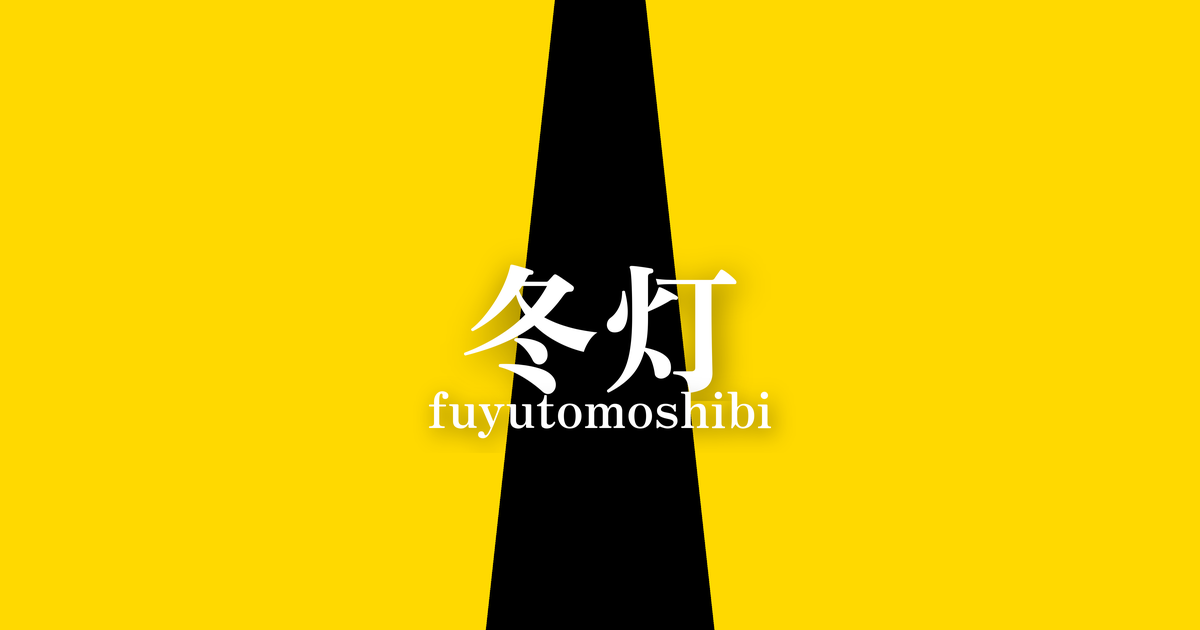
| Japanese color name | winter lights |
|---|---|
| reading | fuyutomoshibi |
| season | 冬 |
| Color of the table | Yellow (ki) |
| Back color | Black (kuro) |
What is a winter lamp? Origin and etymology
"Fuyuto" (Winter Lamp), as its name suggests, is a color combination inspired by the light of lanterns and candlesticks lit on winter nights. The vibrant yellow on the outside is said to symbolize the flickering flame, while the black on the inside represents the deep darkness of the night and the freezing outside air. It is a scenic color scheme that captures the warmth of a small light illuminating a room on a cold, long winter night, and the dramatic contrast with the silent darkness. It reveals the refined sensibility of the Heian aristocracy, who considered not only natural landscapes but also the charm of people's lives as objects of beauty.
This color scheme is interpreted not only as representing light and darkness, but also as reflecting an inner landscape that finds hope and warmth amidst the harshness of winter. By using black, an achromatic color, as a background, the warmth and vitality of yellow stand out even more, leaving a strong impression on the viewer. Although the exact time of its creation is uncertain, it is thought to be one of the color combinations that developed within a culture that cherishes winter scenery.
Historical background of winter lamps
In the aristocratic society of the Heian period, the color scheme of clothing was an important element in demonstrating education and aesthetic sense. In particular, the "layered color combinations" were a manifestation of a sophisticated culture that keenly perceived the changing seasons and incorporated them into clothing. People skillfully expressed a sense of the seasons by incorporating the colors of nature in each season into their garments.
While the color combination known as "Winter Lamp" is not explicitly mentioned in classical literature, it cannot be denied that similar color schemes may have existed as a matter of personal preference. It is imagined that this combination was worn at indoor gatherings such as banquets and poetry readings held on winter nights. In the dimly lit rooms, this color scheme would have stood out vividly under the light of lamps, highlighting the wearer's presence.
Related literature, waka poetry, and seasonal words
The color name "winter lamp" does not appear directly in classical literature such as The Tale of Genji or The Pillow Book. However, the motif of "winter lamplight" has long been depicted as an important scene in waka poetry and stories. For example, it is frequently used as a prop to create a quiet and introspective atmosphere, such as in scenes where someone is lost in thought under a lamplight on a long winter night, or in a figure reading a book in the light of snow.
In haikai poetry, "fuyu tomoshi" (winter lamp) and "fuyu no hi" (winter light) are seasonal words for winter, and they are the subject of poems that express the warmth of a lamp in the cold, and at times the sense of loneliness it evokes.
Winter lamp, like the spilling stars twinkling.
Winter Lights and Scenery
"Winter Lamp," as its name suggests, is a color scheme used during the winter season, especially from late autumn to the beginning of spring when the nights are long and the cold is severe. It strongly reflects traditional Japanese winter scenes, such as quiet nights with snow falling, the shadows of lanterns cast on shoji screens, or the flames of a hearth. It expresses a unique beauty where stillness and warmth coexist, as light emerges from the darkness.
This color scheme is suitable for formal indoor occasions such as evening banquets, theater performances, and tea ceremonies. The black provides a sense of sophistication and elegance, while the yellow on the front brightens the face and adds a touch of vibrancy. It is an emotionally rich color combination that evokes feelings of human warmth and the joy of gathering amidst the winter chill.
Winter lighting color scheme proposals
Shironeri (#FFFFFF)
The combination with pure white evokes a winter snowscape. It brings to mind a scene of a dark night sky, yellow lights, and white snow. The strong contrast gives a modern and sophisticated impression, making it suitable for expressing the crisp, clear air of winter.
Suou (#9E3D3F)
The deep reddish-brown color, reminiscent of a fireplace or embers, combined with the yellow of winter lamplight, further emphasizes a warm impression. The black background deepens both colors, creating a noble and elegant atmosphere.
Aikobicha (#555647)
The greenish-dark brown evokes the colors of old building pillars and trees at night. Adding it to winter lighting schemes can tone down the vibrancy and deepen the tranquil, serene atmosphere of a winter night, creating a calm and sophisticated ambiance.
Practical Scenes
In modern Japanese clothing, this color scheme can be incorporated into visiting kimonos, casual kimonos, and haori jackets worn during the winter season. In particular, using the "winter lantern" color scheme in accessories such as obi sashes, obi ties, and obiage scarves creates a stylish accent that evokes a sense of the season. Concealing this color scheme in the lining of a haori jacket is also an expression of the Japanese aesthetic of paying attention to details that are not visible.
In interior design, using the "winter light" color scheme in cushion covers, rugs, and art panels brings a warm and modern atmosphere to the space. Adding yellow lighting and accessories as accent colors to a chic, black-based room is an effective way to create a comfortable atmosphere for winter nights.
The "winter light" color scheme can also be used in graphic design and web design. Designs that place yellow text or icons on a black background have very high visibility and give a strong, sophisticated impression. They are suitable for brand websites that want to convey a sense of luxury, or for campaign banners that want to attract attention.