
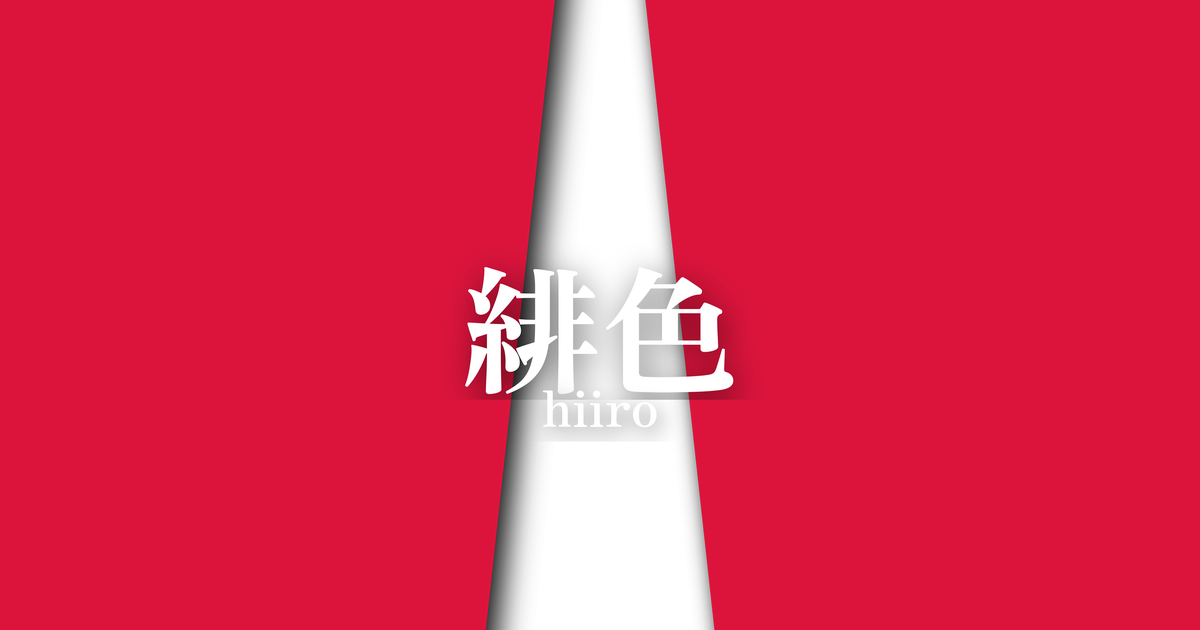
| Japanese color name | Scarlet |
|---|---|
| reading | hiiro |
| season | Miscellaneous (year-round/celebratory) |
| Color of the table | Scarlet (hiiro) |
| Back color | White (shiro) |
What is crimson? Origin and etymology
"Hiiro" refers to a vibrant red color with a slight purplish tint, dyed using madder and gromwell as dyes. In ancient times, it was also called "ake" and was considered a sacred color symbolizing the sun and fire. As a color combination for layered garments, "hiiro" expresses a dignified beauty suitable for celebratory occasions by using this powerful and vibrant crimson on the outside and pure white on the inside.
This color scheme is said to have held special significance since ancient times, symbolizing auspiciousness and nobility.
The historical background of crimson
During the Heian period, color was an important element in indicating social status and rank. Scarlet, in particular, along with crimson and madder red, was considered one of the forbidden colors and was a noble color that could not be worn without the emperor's permission. It was mainly used in formal occasions such as ceremonies and banquets, and is said to have held a special presence even in the attire of court ladies.
The striking contrast between the vibrant crimson on the outside and the white on the inside has the effect of highlighting the wearer's dignity and purity, and was highly valued as a color scheme that embodied the refined aesthetic sense of court culture.
Related literature, waka poetry, and seasonal words
In Heian period literature such as "The Tale of Genji" and "The Pillow Book," the color of a character's clothing plays an important role in symbolizing their feelings and the atmosphere of the scene. Scarlet attire is often depicted for people of high status or in scenes of lavish celebrations. For example, in the "Autumn Leaves" chapter of "The Tale of Genji," the costume worn by Hikaru Genji when he dances the Seigaiha dance is described as "crimson Chinese brocade," and its splendor is mentioned.
Scarlet, as a color in the crimson family, adds color to the story as a symbol of passion, authority, and vitality.
Scarlet season and scenery
The "scarlet" layered kimono was a "miscellaneous" color combination not limited to a specific season, but was worn year-round, mainly at celebrations and ceremonies. The scarlet on the outside symbolized the radiance of the sun and life, while the white on the inside symbolized purity and sanctity, making this combination extremely auspicious. Used at celebratory occasions marking milestones in life, such as New Year's celebrations, weddings, and coming-of-age ceremonies, it further enhanced the splendor of the occasion.
Even today, the combination of crimson and white is widely known as "kohaku" (red and white) and is a symbolic color for auspicious occasions.
Scarlet color scheme proposal
Golden (#E6B422)
The nobility of crimson combined with the brilliance of gold creates an atmosphere of supreme formality and luxury. This traditional color scheme gives an exceptionally splendid impression in ceremonial attire and celebratory designs.
Light green (#A9D159)
Combining vibrant crimson with youthful, fresh green creates a clean and powerful impression reminiscent of springtime budding. This hopeful color scheme is perfect for formal wear for young people or designs celebrating new beginnings.
Dark color (#3D2B3D)
The vibrant crimson is toned down by a deep, calming dark color (dark purple), creating a refined elegance and a sense of gravitas. This dignified color scheme, also seen in the attire of Heian-era nobles, adds depth to formal occasions and authoritative designs.
Practical Scenes
In Heian period attire, the "scarlet" color was primarily used in formal women's clothing such as the karaginu and uchiki. High-ranking ladies-in-waiting, in particular, wore these garments during celebratory occasions, and their vibrant colors are said to have adorned the imperial court. Today, this traditional color scheme is preserved in the world of Japanese clothing and can be seen in undergarments and accessories worn with the shiromuku (white wedding kimono), or in furisode (long-sleeved kimono).
Furthermore, in interior and graphic design, the combination of crimson and white is used as an accent that is both modern and evokes a sense of traditional Japanese beauty.