
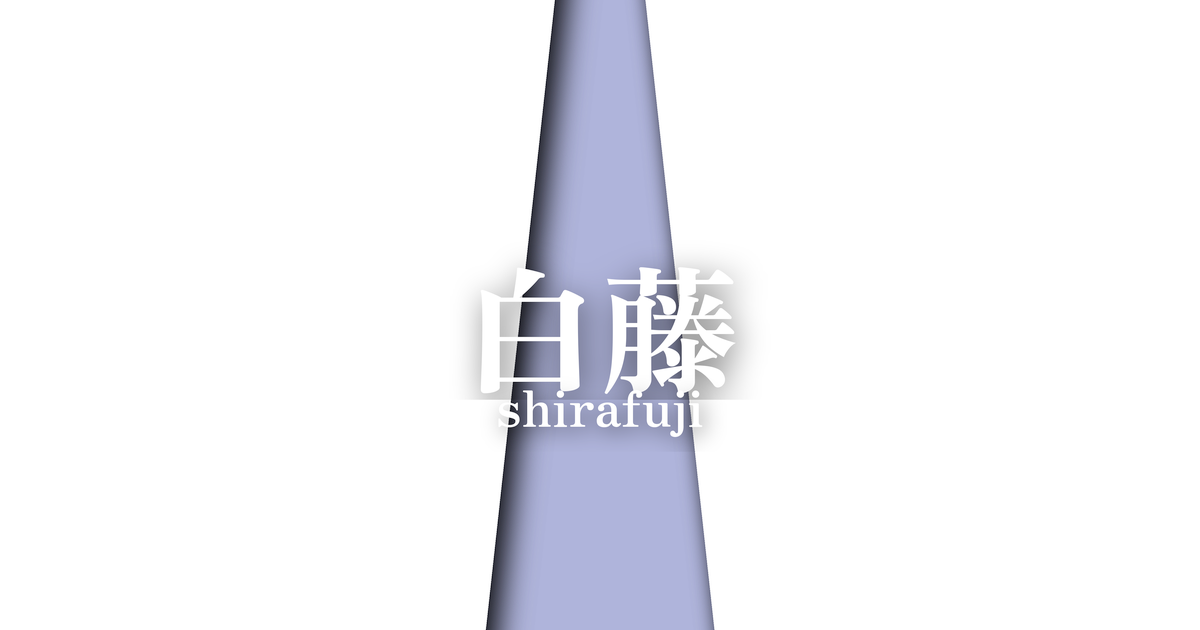
| Japanese color name | Shirafuji |
|---|---|
| reading | shirafuji |
| season | Miscellaneous (year-round/celebratory) |
| Color of the table | White (shiro) |
| Back color | wisteria color (fujiiro) |
- What is white wisteria? Origin and etymology
- Historical background of white wisteria
- Related literature, waka poetry, and seasonal words
- The season and scenery of white wisteria
- White wisteria color scheme proposal
- Practical Scenes
- FAQ
- Color combinations for the same season (miscellaneous (year-round/celebratory))
What is white wisteria? Origin and etymology
The "Shirafuji" (white wisteria) color combination, as its name suggests, is a color scheme inspired by the white wisteria flower. The pure white of the outer layer represents the white petals in full bloom, while the pale wisteria color of the inner layer is said to represent the shadows that shine through the flower clusters and the elegant and dignified atmosphere of the wisteria flower. Wisteria has been considered a symbol of longevity and prosperity of descendants since ancient times due to its strong vitality, and has been cherished as an auspicious pattern. For this reason, this color combination is not limited to a specific season, but is positioned as a general color combination that can be used year-round, such as at celebratory occasions.
Historical background of white wisteria
During the Heian period, the culture of "kasane no irome," which expressed the changing seasons through the color schemes of clothing, became highly refined in the imperial court. The nobles skillfully incorporated natural scenery into their attire, demonstrating their aesthetic sense and refinement. "Shirafuji" (white wisteria) is thought to have been used at celebratory occasions and auspicious events, as it expressed the elegance and grace symbolized by the wisteria flower. Although it is considered a "miscellaneous" color that is not tied to a specific season, it may have been particularly favored from late spring to early summer when wisteria flowers bloom.
Related literature, waka poetry, and seasonal words
Wisteria flowers are frequently depicted in Heian period literature as a symbol of nobility and elegance. In "The Tale of Genji," wisteria is used effectively in scenes where Hikaru Genji longs for Fujitsubo no Miya, expressing a poignant yet bittersweet emotion. In "The Pillow Book," Sei Shonagon also praises its beauty, writing, "Wisteria flowers, with their long, drooping stems and deep color, are truly magnificent."
It can be said that the image of wisteria depicted in these classical literary works shaped the aesthetic sensibilities behind the "white wisteria" color combination.
The white wisteria has bloomed by the eaves of my house, so much so that I forget the resentment in my heart.
The season and scenery of white wisteria
"Shirafuji" (White Wisteria) is a color scheme that reflects the scene of white wisteria blossoms swaying in the wind and gracefully hanging down. The white on the outside symbolizes the purity of the petals shining in the sunlight, while the wisteria color on the inside symbolizes the subtle shading and elegance of the flower clusters. This color combination evokes the calm and clear atmosphere of late spring to early summer. As a versatile color that can be worn in any season, it was particularly favored at celebratory occasions such as weddings, and was highly valued as a color that enhances the nobility and purity of the wearer.
White wisteria color scheme proposal
Light green (#A5C949)
The vibrant, youthful green of the wisteria adds a touch of spring's breath to its elegance. The combination of young leaves and flowers was a staple in Heian period attire, resulting in a refreshing and refined color scheme.
Golden (#E6B422)
Gold, which adds luxury and elegance, pairs well with white wisteria, a color associated with celebrations. Incorporating gold into obi sashes and accessories creates a splendid and majestic impression befitting a celebratory occasion.
Dark color (#4D2649)
The deep, rich purple of the color complements the delicate hues of the wisteria, giving the overall look a sense of calm and nobility. This combination creates a refined gradation that expresses the subtle variations in color of the wisteria blossoms.
Practical Scenes
In terms of attire, the white and wisteria color scheme is often used for auspicious occasions such as wedding attire and formal wear for celebrations. Even in modern kimono, this elegant color combination can be seen in formal kimono such as visiting kimonos, solid-colored kimonos, and accessories like obi sashes and obiage sashes. Furthermore, its refined and serene atmosphere can be applied to contemporary designs. In interior design, incorporating it into wallpaper or curtains creates a calm and sophisticated space.
In web design and graphic design, this color scheme can be used to express cleanliness and feminine gentleness.