
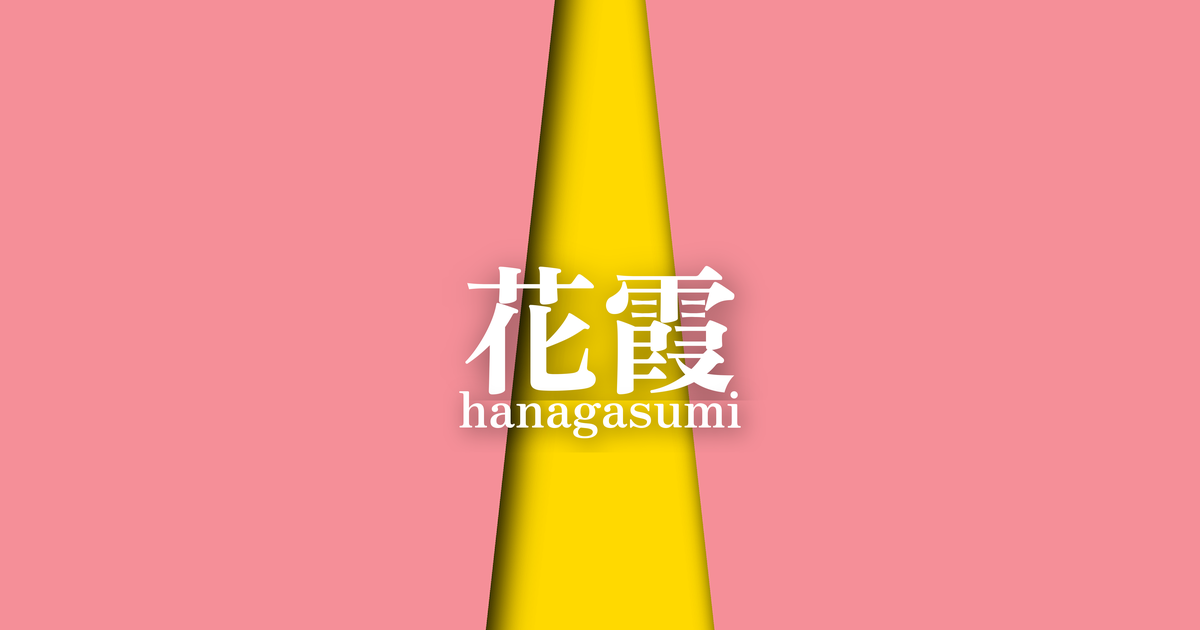
| Japanese color name | Hanakasumi |
|---|---|
| reading | hanagasumi |
| season | 春 |
| Color of the table | Light pink (momoiro) |
| Back color | Yellow (ki) |
What is Hanagasumi? Origin and Etymology
"Hanagasumi" refers to the spring scene where clusters of cherry blossoms blooming in the distance appear hazy and indistinct, as if shrouded in mist. This layered color scheme expresses that fantastical and beautiful landscape on the garment. The light pink of the outer fabric represents the petals of cherry blossoms in full bloom, while the yellow of the lining is said to symbolize the warm spring sunlight, the flower centers, or the mist itself. This combination of two colors skillfully expresses the gentle, somewhat ephemeral atmosphere of a spring in full bloom.
Historical background of Hanagasumi
The layered color schemes of Japanese clothing are a reflection of the refined aesthetic sensibilities of the aristocracy during the mid-Heian period, when Japan's unique culture flourished. People at that time were keenly aware of the changing seasons and natural scenery, and expressed their education and rich sensibilities through the color combinations of their clothing. "Hana-gasumi" (flower mist) is one such example, and it is thought to have been particularly favored as a representative scene of spring, especially during the time when cherry blossoms are in full bloom.
This color scheme was mainly used in court ladies' attire, such as the uchiki, and is said to have adorned spring ceremonies and private banquets.
Related literature, waka poetry, and seasonal words
The word "hanagasumi" (flower mist) is used to describe the beautiful scenery of spring and can be found in classical Heian period literature such as "The Tale of Genji" and "The Pillow Book." While this particular color combination is rarely described directly in these works, it is easy to imagine that such a color scheme was used to represent the seasonal attire worn by the characters.
For example, in the elegant spring garden banquet depicted in the "Butterfly" chapter of "The Tale of Genji," the ladies are adorned in colorful and beautiful garments, suggesting the possibility that some of their attire resembled "flower mist." Furthermore, "flower mist" has become established as a seasonal word for spring and has been the subject of many waka and haiku poems in later generations.
The cherry blossoms on the peak of Takasago have bloomed; may the mist of the outer mountains not rise.
The season and scenery of cherry blossoms and mist
"Hanagasumi" (flower mist), as its name suggests, is a color scheme worn in spring, especially from late March to April when cherry blossoms are in full bloom. It evokes the fantastical scene of mountain cherry blossoms blooming on distant mountains, vaguely emerging from the spring mist. The light pink on the outside represents the cherry blossoms in full bloom, while the yellow on the inside represents the warm spring light, pollen, and mist, giving the viewer a feeling of the gentle arrival of spring. It is considered a suitable color scheme for occasions where a serene yet vibrant atmosphere is desired, such as cherry blossom viewing parties and spring celebrations.
Hanagasumi color scheme proposal
Light blue (#C3D825)
The fresh green of young grass, reminiscent of the sprouting plants of spring, is almost a complementary color to the cherry blossom pink of a hazy flower, and they vividly enhance each other's colors. It is the perfect combination to express the vibrant scenes of spring.
Blue and white (#EBF4F7)
By combining it with a very pale blue, reminiscent of a hazy spring sky, the dreamy and ephemeral atmosphere of the flower mist is further emphasized. The overall color scheme gives a soft, elegant, and calm impression.
Golden (#E6B422)
The golden color, which harmonizes with the yellow lining of the Hanagasumi pattern, adds splendor and elegance to the color scheme. This combination is also seen in the attire of Heian-period aristocrats and is suitable for spring festivals and special designs.
Practical Scenes
During the Heian period, it was primarily used as a layering piece for the uchiki (a type of kimono worn by court ladies). The yellow lining peeking out from the cuffs and hem with each step created a beautiful contrast with the pale pink outer fabric, giving an elegant impression. It was worn at spring court ceremonies and private cherry blossom viewing parties as an expression of appreciation for the season.
In modern times, incorporating this color scheme into kimonos, obi sashes, and accessories such as obiage and obijime can create a classic and elegant spring look. In interior design, using it in fabrics such as cushions and curtains fills the entire room with a bright and gentle spring atmosphere. It is also used in web design and graphics as a color scheme that gives a gentle impression in spring campaigns and content aimed at women.