
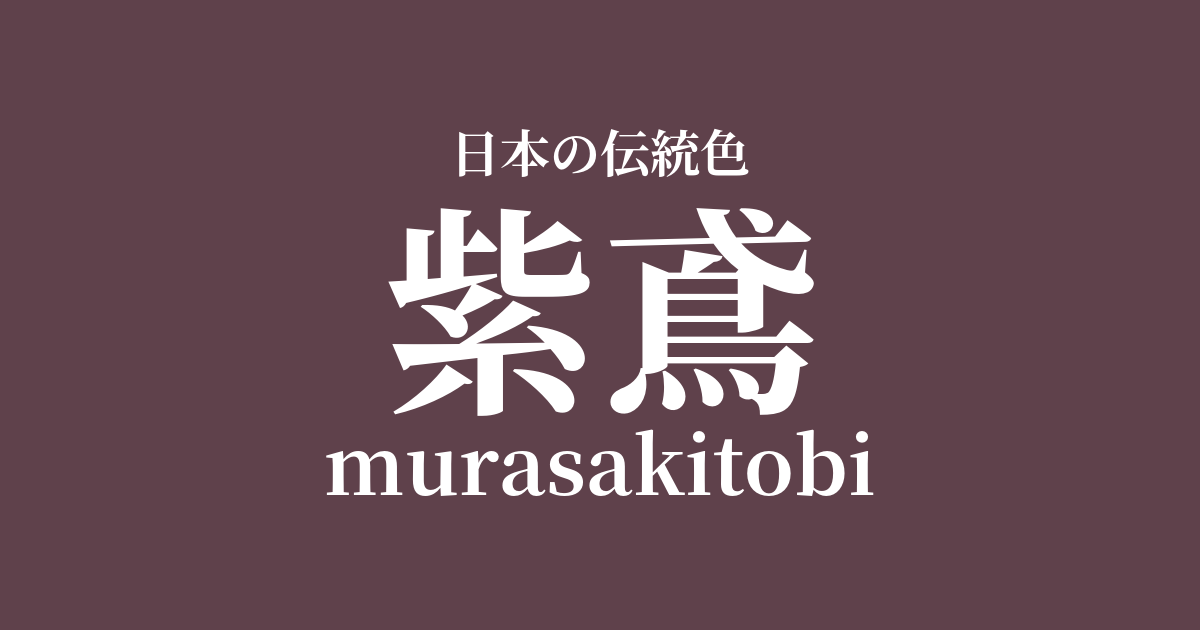
| Japanese color name | Purple kite |
|---|---|
| reading | murasakitobi |
| HEX | 1TP5 T5F414B |
| RGB | 95, 65, 75 |
What is a purple kite? Origin and etymology
Purple kite is a derivative color of "tobi-iro," which is derived from the color of the feathers of the kite, a bird of prey. Tobi-iro refers to a reddish-dark brownish color and was widely popular during the Edo period. Purple kite is created by adding a nuance of purple to this tobi-iro, and as the name suggests, it means a purplish kite color. It is characterized by a color that feels both calm and elegant, and can be said to be a color that originated from the refined sense of color of the townspeople of Edo.
The specific dyeing method for purple tan is thought to have varied depending on the era and region, but it is believed that plant dyes were mainly used. For example, it is speculated that red dyes such as sappanwood and madder were combined with blue dyes such as indigo, and then the colors were darkened with an iron-containing mordant to create this complex hue. It is a deep color born from the wisdom and ingenuity of ordinary people.
Historical background of the purple kite
Purple-brown first appeared on the historical stage during the mid-Edo period. At that time, the shogunate frequently issued sumptuary laws, restricting commoners from wearing extravagant clothing. As a result, people began to express their individuality by pursuing subtle differences in shades within the range of subdued colors that were permitted, such as brown and gray. Purple-brown is one of the refined colors that emerged during this trend known as "forty-eight shades of brown and one hundred shades of gray."
This color, at first glance appearing as a dark brown, is characterized by its subtle purple hue that emerges depending on how the light hits it. This "chic" shade is said to have been loved by the townspeople of Edo, especially by fashion-forward figures such as Kabuki actors, geishas, and cultural figures. While not flashy, this purple-brown color conveys a hidden allure and refined taste, and it became established as one of the colors that symbolizes the aesthetic sensibilities of Edo.
Related literature, waka poetry, and seasonal words
Currently, no famous waka or haiku poems that directly mention the color name "purple kite" have been found. This color is more deeply rooted in the townspeople's culture of the Edo period than in classical literature, and can be found in materials that depict the customs of the time, such as ukiyo-e prints and sharebon (humorous novels). For example, the kimonos of women depicted in late Edo period portraits often feature a deep brown color reminiscent of purple kite.
These visual materials suggest that "purple kite" was not merely a color name, but was actually a color deeply ingrained in people's lives as a part of their clothing. In particular, in the Edo aesthetic, which valued sophistication and refinement, this understated yet nuanced color was highly appreciated. Although there are few direct descriptions of it in literary works, purple kite can be considered an important cultural heritage that tells the story of the atmosphere of Edo and the color sensibilities of its people.
Color scheme preview
This is to check the readability of the text when this color is used as the background.
Purple kite color scheme proposal
White tea (#B59778)
The dark and heavy impression of the purple-brown is softened by the bright and gentle hues of the white-brown. The two colors complement each other, creating an elegant and tranquil harmony. It is suitable for traditional Japanese spaces and kimono coordination.
Fujirat (#948A99)
This combination features wisteria gray, a shade of gray that, like purple-brown, has a purplish nuance. By using different shades of the same color family, a sophisticated sense of unity is created. It gives an urban and modern impression and is easy to apply to web design and fashion.
Decayed leaves (#706933)
The combination of the reddish-purple tones of Murasaki-tobi and the yellowish-green tones of Aokuchiba complements each other. Evoking the colors of decaying leaves and soil in nature, it creates a calm and deep earth-tone color scheme, giving off a chic and intellectual atmosphere.
Practical Scenes
Purple-brown is highly valued in the world of traditional Japanese clothing due to its subdued hue. It is particularly often used for men's kimonos and haori jackets, and for women's accessories such as obi sashes and obi ties. While not flashy, it exudes a subtle charm and elegance, making it a popular choice for those who appreciate refined style. Combining it with other shades of brown or gray creates a sophisticated and refined look that appeals to connoisseurs.
In interior design, incorporating purple-brown into accent walls, cushions, and rugs brings depth and tranquility to a space. It harmonizes well with Japanese modern and classic style rooms, creating a sense of luxury. Because its appearance changes depending on the color temperature of the lighting, combining it with indirect lighting allows for a richer spatial expression.
In web and graphic design, purplish-brown is an effective color for conveying reliability and tradition. While it can sometimes appear heavy when used as a main color, it is effective when used as an accent to enhance background or key colors. By combining it with white, off-white, or light gray, you can create a sophisticated and dignified design while ensuring visibility.