
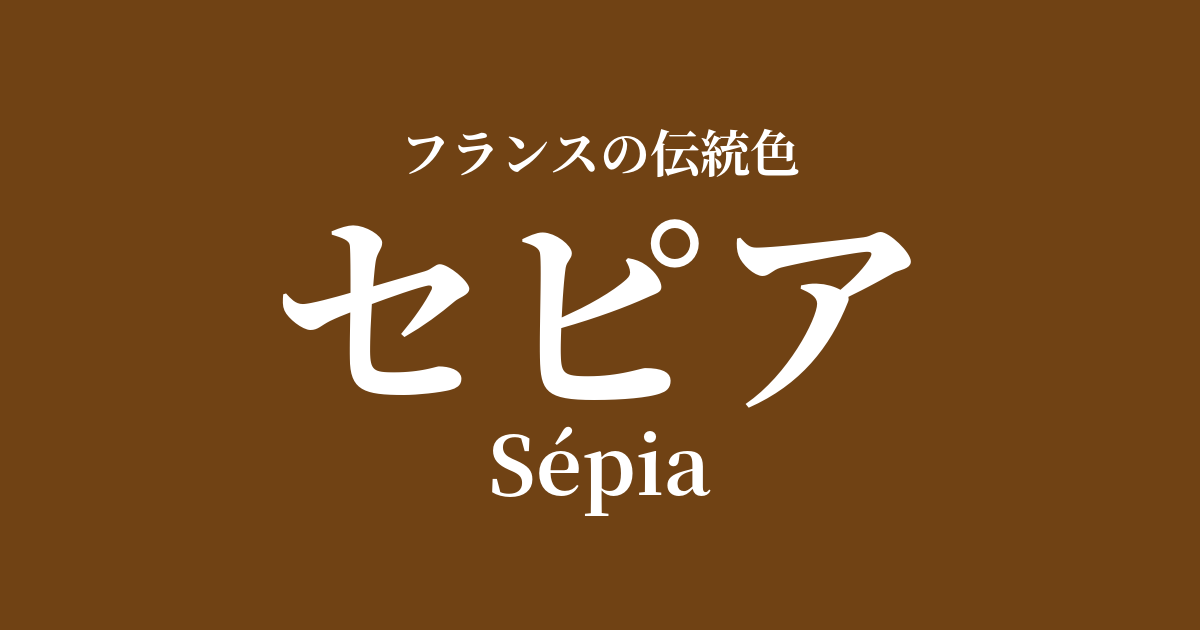
| French | Sépia |
|---|---|
| Katakana | sepia |
| HEX | #704214 |
| RGB | 112, 66, 20 |
What is sepia? Origin and etymology
The word sepia originates from the Greek word "sēpía," meaning "cuttlefish." This word was adopted into French via Latin. As the name suggests, the color originally referred to the reddish-dark brown pigment extracted from the ink sac of the cuttlefish (Sepia officinalis).
This natural pigment, when dried and powdered, and mixed with gum arabic and other materials, becomes an excellent ink. Its high lightfastness and ability to produce rich shading when diluted with water have made it a valuable material for writing and drawing since the time of ancient Greece and Rome.
The historical background of sepia
Sepia ink has a long history and played an important role in manuscript production in medieval Europe. However, its artistic value particularly increased during the Renaissance. Many masters, including Leonardo da Vinci, used sepia ink for their sketches and preliminary drawings, skillfully expressing light and shadow with its deep hue.
From the 18th to the 19th centuries, sepia became immensely popular among French artists as a pigment perfectly suited to the "wash" technique, which involves painting with varying shades of a single color, as watercolor techniques developed.
The photographic technique invented in the 19th century solidified sepia's global reputation. Early silver halide photographs had the drawback of fading over time, but toning the image to a sepia tone dramatically improved its durability. This "sepia tone" photograph became more than just a technical process; it was established as a unique aesthetic expression that evokes memories and nostalgia of the past, and to this day it remains synonymous with "nostalgic colors."
Sepia in the world of art and fashion
In the art world, sepia has been a favorite of many artists. Not only were it used in the drawings of Renaissance masters, but Jean-Honoré Fragonard, a painter of 18th-century French Rococo art, also left behind numerous light and sensual scenes in his sepia ink sketches. Its warm tone gave life and soft shading to figures and landscapes.
In the world of fashion, sepia is a highly valued color that conveys a classic and intellectual impression. It pairs particularly well with traditional, warm materials such as leather, tweed, and wool. Incorporating this color into trench coats, leather shoes, and bags creates a timeless elegance that transcends trends.
Furthermore, sepia-toned photographs are not merely old photographs, but a complete form of art. When used in portrait photography, they bring out the inner qualities of the subject, and when used in landscape photography, they create a poetic and sentimental atmosphere. They are still widely used as a filter effect in modern digital photography and continue to fascinate many people.
Color scheme preview
This is to check the readability of the text when this color is used as the background.
Sepia color scheme suggestion
Blanc d'Argent (#E8E4D9)
The deep warmth of sepia and the elegant off-white reminiscent of silverware complement each other, creating a classic and sophisticated color scheme. It evokes a calm, luxurious, and antique atmosphere.
Blue Nuit (#0F2540)
When combined with Bleu Nuit, a deep navy blue reminiscent of the night sky, it creates an intelligent and dignified impression. The nostalgic atmosphere of sepia is enhanced with a quiet depth and tranquility.
Rose Pompadour (#ED7A9E)
Adding the elegant pink color favored by Madame de Pompadour as an accent adds a touch of glamour and sweetness to the classic sepia tone, creating a feminine atmosphere with a vintage feel.
Practical Scenes
Incorporating sepia tones into interior design can bring warmth, tranquility, and a sense of historical depth to a space. When combined with elements like wallpaper in a study, a leather sofa in the living room, or antique-style wooden furniture, it creates a cozy space reminiscent of an old European mansion.
In fashion, sepia is particularly appealing in autumn and winter outfits. Pairing it with warm materials like wool coats, knits, and corduroy pants creates an elegant and sophisticated style. It's also recommended to incorporate sepia into leather accessories such as bags, belts, and shoes.
In the fields of website and graphic design, sepia is effective when you want to convey a sense of reliability, tradition, and authenticity. Using it as a background or key color on websites dealing with historical themes, brands showcasing artisanal craftsmanship, or photographers' portfolio sites can create a nostalgic and emotionally resonant world.