
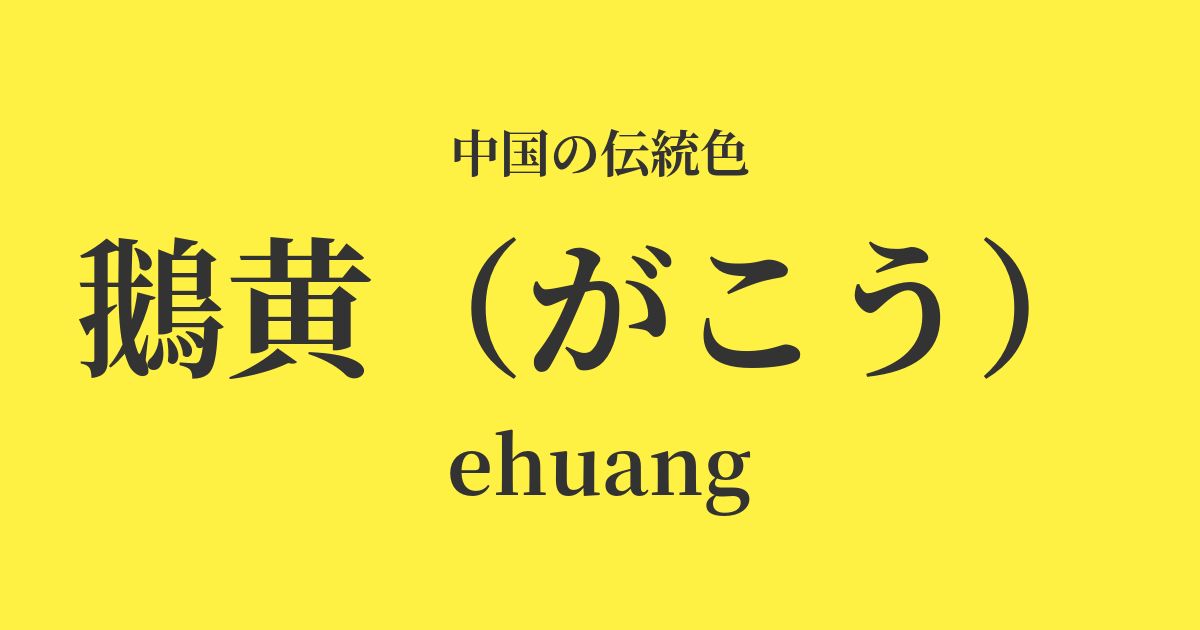
| Color name | Ehuang |
|---|---|
| reading | Gakou |
| pinyin | ehuang |
| HEX | #FFF143 |
| RGB | 255, 241, 67 |
What is a goat's yellow? Origin and etymology
"Gakō" (鵝黄) is a color with a very poetic name, literally meaning the yellow color of a goose.
Specifically, the color comes from the soft, fluffy downy feathers of a newly hatched goose chick. This pale yet vibrant yellow, which seems to herald the beginning of life, evokes a sense of freshness, loveliness, and innocent vitality.
The sensibility of drawing inspiration for colors from small creatures in nature speaks to the depth of traditional Chinese aesthetics. By calling it "goose yellow" instead of simply yellow, a rich narrative and scene emerge from its background.
Historical background of Goat Yellow
Goose yellow rose to prominence in Chinese history, particularly during the Tang Dynasty, a period when a rich and international culture flourished.
During this period, a makeup technique called "gakko" or "gae-oh," in which yellow pigment was applied to the forehead to create patterns, became extremely popular among court ladies and aristocratic women. This is believed to have been influenced by the majestic, golden appearance of Buddhist statues, and it was considered a symbol of beauty, elegance, and a kind of sanctity.
This trend wasn't limited to makeup; goose yellow also became extremely popular as a color for clothing. Garments made from light silk fabrics dyed in this color must have further enhanced the elegant appearance of women at the time. In Tang Dynasty poetry and literature, "goose yellow" frequently appears as a word to describe beautiful women, indicating that this color was one of the standards of beauty.
Goat Yellow in Chinese Art and Crafts
In the history of clothing culture, goose yellow was a popular choice for women's clothing during the Tang Dynasty, particularly for the "jukun" (a combination of top and skirt) and the "pibaku" (a scarf-like garment draped over the shoulders). The combination of the silk's luster and the goose yellow's soft hue created an elegant and splendid impression.
In Chinese painting, particularly in the meticulously detailed "gongbi" style, goose yellow is effectively used as the color of young women's clothing. It enhances the whiteness of the skin and gives the figures a youthful and vibrant appearance. This delicate yellow is also used when depicting flowers that herald the arrival of spring, such as the spring jasmine and winter sweet.
In the world of ceramics, among the "Tang Sancai" ware known for its diverse glazes, you can find a yellow glaze similar to goose yellow. Used together with vibrant greens and browns, it conveys the gorgeous and exotic aesthetic of the Tang Dynasty to this day.
The late general Eo Huangzhen, the next work Ganjinshoku
Color scheme preview
This is to check the readability of the text when this color is used as the background.
Scarlet Yellow Color Scheme Proposal
Tensei (#80A4CD)
By combining it with a sky-blue reminiscent of a clear sky, the youthful goose yellow gains intelligence and composure. It is a sophisticated and elegant color scheme that evokes the beautiful contrasts found in nature.
Dark blue (#E4A6A8)
Lotus root color, or "oukiro," is a soft pink that blends well with the skin. When combined with goose yellow, it creates a very feminine impression, full of warmth and gentleness reminiscent of springtime.
Willow green (#85C13E)
Willow green, like the leaves of a newly sprouted willow tree, is a color brimming with vitality. When combined with goose yellow, it creates a lively and fresh impression, like strolling through a spring field.
Practical Scenes
In the world of fashion, goose yellow is perfect for spring and summer outfits. When incorporated into blouses, dresses, or skirts, it brightens the face and creates a cheerful and gentle atmosphere. It also pairs exceptionally well with natural materials such as silk, cotton, and linen.
In interior design, it's recommended to use goose yellow as an accent color. Incorporating goose yellow into cushion covers, curtains, or art panels will create a warm and positive atmosphere throughout the room. When added to a space based on white, beige, or light gray, it stands out as a sophisticated accent.
In web and graphic design, it's effective when you want to convey friendliness and fun. It's especially effective when used in lifestyle brands, children's products, and organic product packaging, giving users a sense of security and a positive image.