
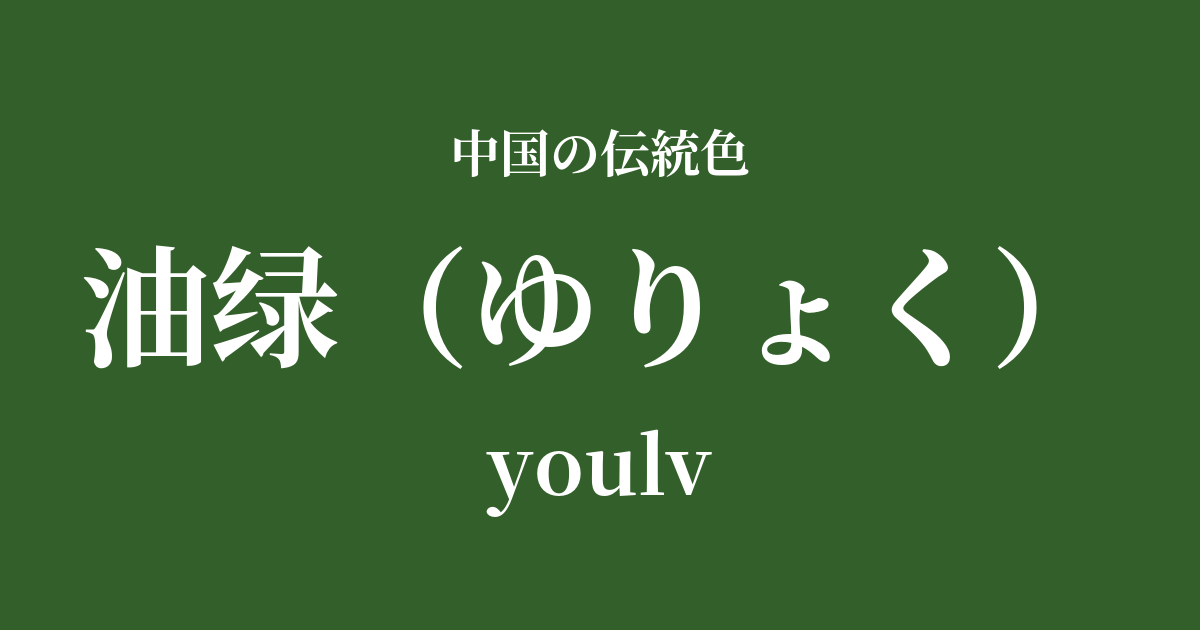
| Color name | oil green |
|---|---|
| reading | Yuryoku |
| pinyin | youlv |
| HEX | #33602A |
| RGB | 51, 96, 42 |
What is "Yūrō"? Origin and etymology
"Yuryoku" (油绿), as its name suggests, is a deep, lustrous green color reminiscent of plant oil. Characterized by its moist sheen and slightly yellowish hue, it evokes images of vibrant summer plants and the leaves of plants rich in oil.
This color name not only refers to the hue, but also encompasses the oily "texture" and "luster" of the color. It can be said to be one of the colors that symbolizes the realistic sense of color in Chinese culture, which incorporates concrete images derived from meticulous observation of nature into its color names.
Historical background of oil and green
The name "oil green" became widely known thanks to the Qing Dynasty novel "Dream of the Red Chamber." In the story, one of the main characters, Jia Baoyu, specifically chooses this color from among many others, saying, "I only want the oil green one."
This description suggests that, at least by the 18th century, "oil green" was an appealing and clearly recognizable color for people. It indicates the spread of a more sensory and rich color culture that flourished in the lives of literati and wealthy citizens, separate from the strict color system of the court.
Oil and green in Chinese art and crafts
The deep, calming hues of oil-green have been used to express various aspects of Chinese art.
In the world of ceramics, the moist, deep green glaze seen in the celadon of the Longquan kilns of the Song dynasty evokes the image of oily green. Its lustrous surface truly suggests a texture like "oil."
In painting, it was also used for the colors of trees in summer mountains depicted in landscape paintings and for the leaves of plants meticulously rendered in meticulous brushwork. Especially when painted on silk, the luster of the silk enhances the vibrant beauty of oil green.
In clothing culture, oily green was also a popular color. In particular, in Hanfu and Qipao (Chinese dresses), using this color with lustrous fabrics such as silk and velvet created an elegant and sophisticated yet glamorous look.
It's just like an oily green.
Color scheme preview
This is to check the readability of the text when this color is used as the background.
Oil and green color scheme proposal
Hot oil (#9B1E23)
The contrast between the deep green and vibrant red is reminiscent of the traditional Chinese aesthetic of "red paired with green." The colors complement each other, creating a vibrant and powerful impression.
Pilestone (#99532A)
By combining it with ochre stone, which evokes the earth and trees, a sense of calm and stability reminiscent of a natural landscape is created. The harmony of earth tones creates a gentle and comfortable space.
Bean green (#A4C3A7)
Combining it with a pale bean green from the same green family creates a sophisticated gradation. The varying shades of color create a sense of rhythm, giving an elegant and deep impression.
Practical Scenes
Oil green, with its calming and deep tones, is a color that can be used in a variety of modern settings.
In interior design, incorporating it into a wall, curtains, or sofa can create a relaxing space reminiscent of a forest. It also pairs well with wooden furniture and brass accessories, creating a classic and sophisticated atmosphere.
In fashion, using it in key items like dresses and coats creates an intelligent and sophisticated impression. Choosing glossy materials like silk or satin brings out the unique sheen of this color. It also looks great as an accent color in scarves or bags.
In web design, using it as a background color can convey a sense of luxury and trustworthiness. It's also ideal as a theme color for websites showcasing natural products or traditional crafts, conveying a sense of reassurance and high quality to viewers.