
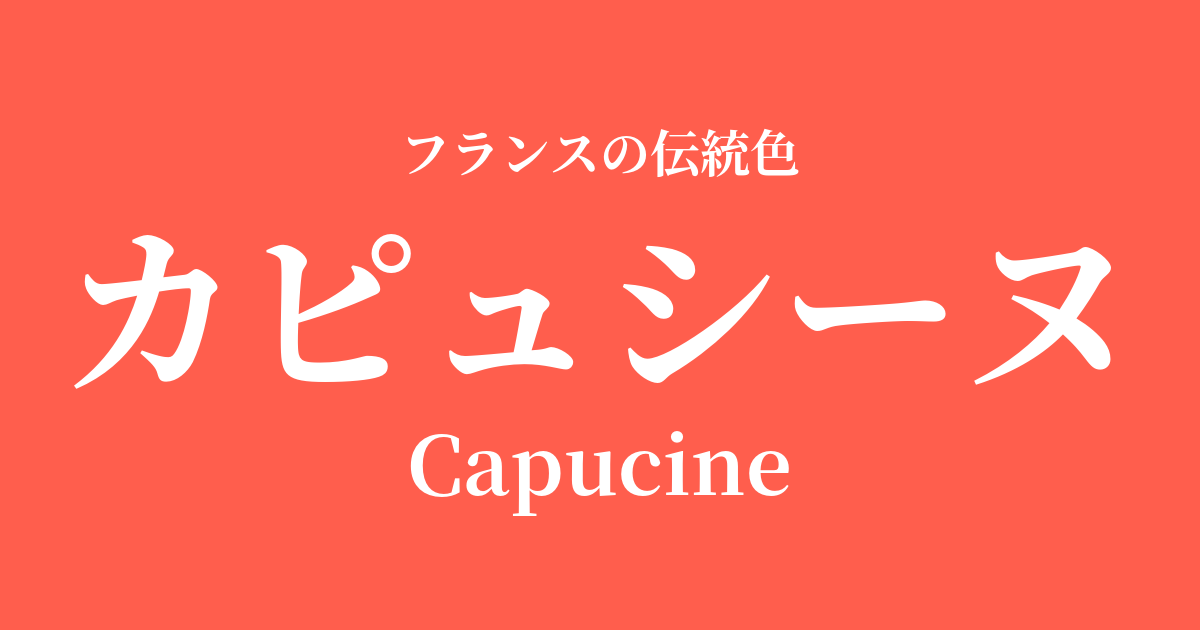
| French | Capucine |
|---|---|
| Katakana | Capucine |
| HEX | #FF5E4D |
| RGB | 255, 94, 77 |
What is a capucine? Origin and etymology
"Capucine" is a color named after the flower known as nasturtium in French and English. The fiery, vibrant orange-red color of this flower has become the established name for the color.
The name "Capucine" is said to have originated from the fact that the shape of the nasturtium flower resembles the hood (capuche in French) worn by Capuchin monks. Behind the delicate appearance of the flower, a religious background quietly resides.
Historical background of Capucine
Nasturtiums are originally from Peru in South America and were brought to Europe in the 17th century by Spanish explorers. Initially used as a medicinal herb and edible plant, their striking beauty gradually led to them becoming ornamental flowers that adorned French gardens.
Particularly from the late 19th to the early 20th century, as interest in new colors grew, the vibrant colors of capucines captured people's hearts. Coupled with the development of chemical dyes brought about by the Industrial Revolution, vivid colors that had previously been difficult to express could now be incorporated into fashion and textiles, and capucines, too, came to be loved as a modern color that reflected the spirit of the times.
Capucines in the world of art and fashion
When discussing the colors of Capucine, it's essential to mention its connection to Impressionist painters. Claude Monet, in particular, planted nasturtiums in the garden of his home in Giverny and deeply loved their vibrant colors. In his painting "Nasturtium Path," the Capucine flowers, blooming profusely and covering the path, are vividly depicted bathed in light.
Gustave Caillebotte also frequently featured these fiery orange-red flowers in his garden landscapes. For Impressionist painters, who sought to capture the shifting colors that accompanied the changing light, the vibrancy of the capucines made them an ideal motif.
In the world of fashion, its vibrant color has been used as an accent on dresses, hats, and scarves, adding color and vitality to people's attire. Even today, leading French fashion houses use the name "Capucine" for bags and accessories, demonstrating its enduring appeal across generations.
Color scheme preview
This is to check the readability of the text when this color is used as the background.
Capucine's color scheme proposal
Gris de Lignan (#DCD3C4)
The vibrant Capucine is gently balanced by a soft, flaxen-like gray, creating a sophisticated and mature impression. This color scheme exudes a natural yet urban atmosphere.
Blue Lavande (#8882BE)
This vibrant combination evokes the landscapes of southern France. The warm tones of Capucine and the cool tones of Lavender complement each other, creating a modern and artistic impression.
Veil Exotic (#00805D)
This color scheme expresses the most beautiful contrast in nature: the orange of flowers and the green of leaves. The deep green adds calmness and elegance to the passionate impression of Capucine, giving it a vibrant feel.
Practical Scenes
In the field of interior design, incorporating this color as an accent color in items such as cushion covers, tablecloths, and art panels brings warmth and vibrancy to the entire space. Adding just one item in this color to a simple space based on white, beige, or gray will instantly brighten up the room's impression.
In fashion, it's great to incorporate it boldly in dresses and blouses, but it's also lovely to use it as an accent color in accessories such as scarves, bags, and shoes. It brightens up the area around your face and adds positive energy to your outfit. It pairs especially well with natural materials such as linen and cotton.
In web and graphic design, using this color on buttons and banners you want to attract attention can effectively draw the user's eye. It's an ideal color for conveying a creative and passionate brand image.