
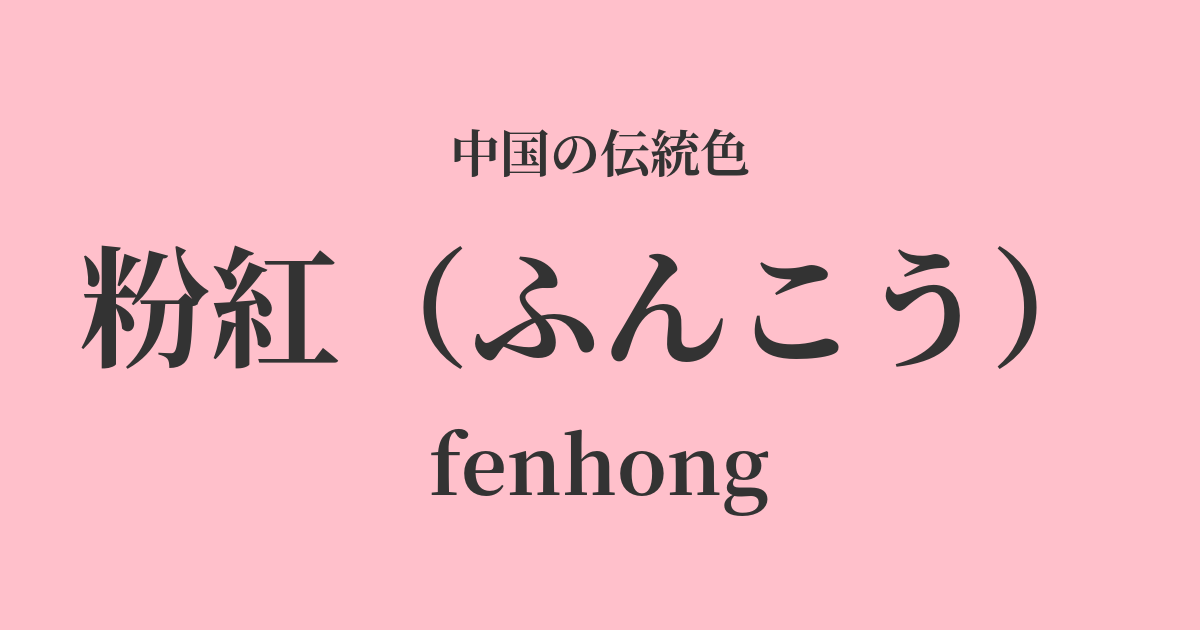
| Color name | Powder red |
|---|---|
| reading | Funko |
| pinyin | fenhong |
| HEX | #FFC0CB |
| RGB | 255, 192, 203 |
What is "pink"? Origin and etymology
"Fen Hong" (粉红), as the name suggests, means a soft, pale pink color that resembles "powder." The character "Fen" (粉) originally referred to white powder made from crushed rice, that is, face powder. From there, it came to represent powdered pigments or powdery things in general.
This color name has its direct origins in the pigments used by women in ancient times for makeup. The pale red powder used as blush to subtly color the cheeks and as lipstick to color the lips was called "konobeni" (powdered red), and eventually the name became established as the name of the color itself.
Furthermore, pink is widely recognized as the color of peach blossoms that bloom in spring. In Chinese culture, peaches are considered symbols of longevity, happiness, and protection against evil, and pink, the color of their flowers, is also cherished as a color that represents the joy of life, youthfulness, and delicate beauty.
While it's translated as "pink" in Japanese, the name itself carries a deeper meaning than just a simple color name; it encompasses a culture of makeup and a profound appreciation for nature.
The historical background of pink
The history of rouge is deeply intertwined with the history of cosmetic culture in China. It is believed that women had the custom of applying rouge to their faces as far back as the pre-Qin period, and more sophisticated cosmetic techniques emerged during the Han dynasty.
The Tang Dynasty, in particular, was a time when women's beauty flourished unrestrainedly. Women applied makeup called "hongzhang," vividly coloring their cheeks. The rouge used at this time came in a variety of shades, from dark to light, and it is believed that softer tones, such as those of pink rouge, were used to express youthful girls or understated beauty.
During the Ming and Qing dynasties, pink became more widely used and frequently appeared in women's clothing, everyday items, and works of art. In the novel "Dream of the Red Chamber," pink is skillfully used in the descriptions of the characters' clothing and makeup, enhancing their personalities and beauty. In this way, pink became deeply rooted in Chinese culture as a color that adorned women's beauty throughout the ages.
Pink in Chinese Art and Crafts
Pink is an indispensable color in Chinese art and fashion culture for expressing elegance and loveliness.
In clothing culture, it was particularly favored for women's Hanfu (traditional Chinese clothing). When light, lustrous silk fabrics are dyed in pink, their soft hues are further enhanced, highlighting the elegance of the wearer. It was especially popular for festive occasions such as spring attire and celebratory banquets.
In the world of ceramics, pink pigment plays a crucial role in the "fencai" technique, which developed during the Qing Dynasty. Influenced by Western cloisonné techniques, this technique creates opaque and soft color tones by mixing in a glassy white pigment. Delicate pink pigment is used in the depiction of peach and peony flowers, or the clothing of beautiful ladies-in-waiting, on fencai porcelain, characterizing its exquisite and magnificent style.
In painting, especially in the field of Gongbi painting, rouge is frequently used. To express the subtle color changes of peach and lotus petals, or the rosy cheeks and moist lips of the women depicted, painters layered rouge with delicate brushstrokes, creating a vibrant and lifelike beauty.
Cute crimson love Asaka
Color scheme preview
This is to check the readability of the text when this color is used as the background.
Powder red color scheme suggestion
Willow green (#B2D235)
By combining it with willow green, reminiscent of the young leaves of a willow tree in spring, it evokes a vibrant spring scene. The color scheme is gentle, calm, and evokes a sense of natural harmony.
Tsukihaku (#EAF4FC)
When paired with moonlight-like pure white, the sweetness of the rouge is softened, creating a refined and elegant impression. It is recommended for occasions where you want to achieve both cleanliness and elegance.
Blue color (#EDD1D8)
Lotus root color, or "oukiro," is a hue similar to rouge but with a slightly more subdued tone. Combining these two colors creates a rich, deep, feminine gradation, resulting in an elegant and romantic atmosphere.
Practical Scenes
With its gentle and warm hues, rouge can be used in a variety of modern settings.
In fashion, incorporating this color into items such as dresses, blouses, and scarves brightens the face and gives a feminine and soft impression. It is especially considered a flattering color for those with a spring personal color type. If you want to tone down the sweetness, combining it with basic colors such as gray, navy, or white will allow you to enjoy an elegant, mature look.
In interior design, it's recommended to use it as an accent color in bedrooms and living rooms. Incorporating pink into cushions, curtains, or art panels will create a comfortable, relaxing, and elegant atmosphere. When using it on an entire wall, choosing a smoky tone with muted saturation will create a calm and sophisticated ambiance.
In web and graphic design, it is effective for websites featuring products and services aimed at women, wedding-related items, and baby products. It conveys friendliness and a sense of happiness, giving users a sense of security. It can be used not only as a main color, but also as an accent color for buttons and icons.