
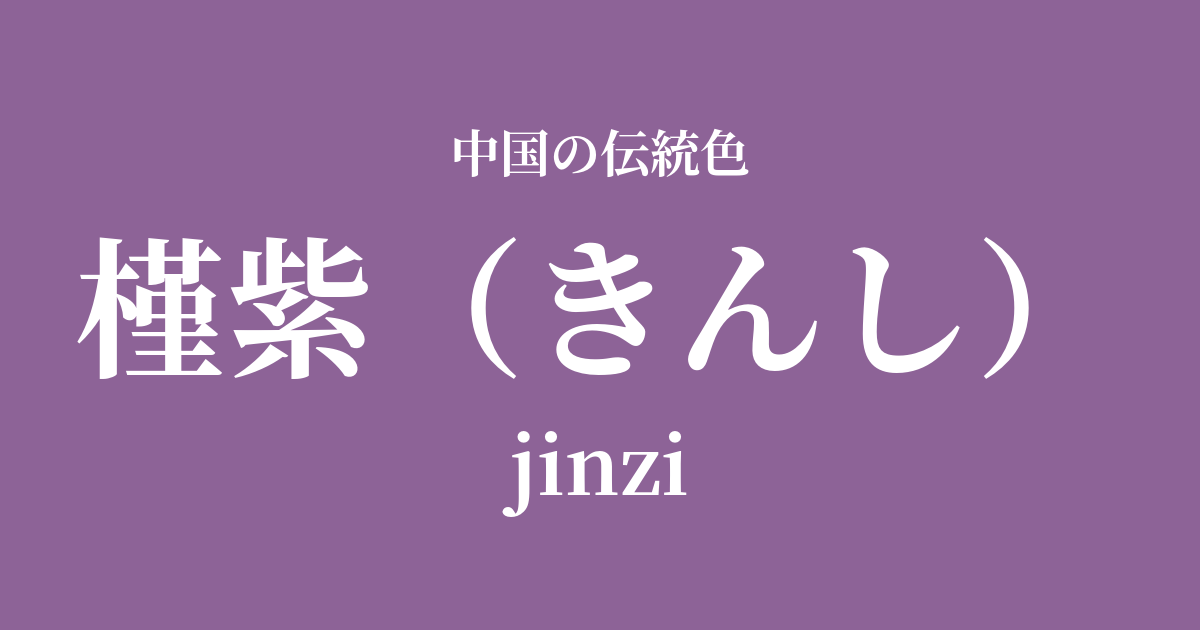
| Color name | Hibiscus |
|---|---|
| reading | ban |
| pinyin | Jinzi |
| HEX | #8D6397 |
| RGB | 141, 99, 151 |
What is the name of the hibiscus flower? Origin and etymology.
As the name suggests, "Kinshi" (槿紫) is an elegant, reddish-purple color derived from the color of the hibiscus flower.
The hibiscus flower is known as a flower that blooms beautifully in the morning and wilts by evening, lasting only a day. This fleeting nature of life has long captivated people's hearts as a symbol of the beauty of things that change and the preciousness of a single moment of brilliance.
The kanji character "槿" is written with the radical "木" (tree) and the character "堇" (violet), which means violet and represents a purple flower. The name "槿紫" (hibiscus purple) beautifully expresses the ephemeral beauty and elegant color of the hibiscus flower.
Historical background of the hibiscus purple flower
In ancient China, purple was considered a very noble color. Purple dye was extremely rare and expensive, as it could only be extracted in small quantities from seashells, so its use was limited to the emperor and a select few high-ranking nobles.
Especially during the Sui and Tang dynasties, purple was designated by the Rank Regulations as the color indicating the rank of officials, and only high-ranking officials of the third rank or higher were permitted to wear purple robes. As a result, purple became both an object of admiration for the common people and a symbol of authority and dignity.
Reddish-purple colors like hibiscus purple were favored not only for their noble image but also for expressing feminine elegance and grace. They were used in the clothing and ornaments of court ladies, reflecting their refined aesthetic sense.
The hibiscus in Chinese art and crafts
The elegant shade of hibiscus purple was particularly cherished in Chinese clothing culture, especially in women's attire. When this color was used in the loose silhouettes of Hanfu and Tang dynasty clothing, it, combined with the luster of silk, created an air of refined elegance. The hibiscus flower itself was often depicted as a motif in embroidery and weaving, and the color and pattern complemented each other to enhance the beauty.
In the world of painting, the color of the hibiscus is often used when the flower is depicted as a subject in flower-and-bird paintings. In particular, in "gongbi painting," which realistically depicts subjects with meticulous brushstrokes, the delicate shades and textures of the petals are carefully expressed, highlighting the ephemeral beauty of the hibiscus purple. It is also sometimes chosen as the color of the clothing worn by women depicted in portraits of beautiful women, symbolizing the dignity and grace of the figure.
The pine tree will die for a thousand years, and the flower will prosper for one day.
Color scheme preview
This is to check the readability of the text when this color is used as the background.
A color scheme proposal for hibiscus purple.
Tsukihaku (#EAF4FC)
The elegant beauty of hibiscus purple combined with the pure and understated white of moonflower creates a very refined and sophisticated impression. It's a calm color scheme reminiscent of a quiet night garden.
Blue color (#EDD1D5)
Combining the pale pink of lotus root with the purple of the hibiscus flower creates a feminine and soft atmosphere. The color scheme evokes the feeling of spring's arrival, giving a gentle and calm impression.
Matsuka Green (#B0C98B)
The purple of the hibiscus and the gentle green of the pine blossom green are close to complementary colors, and they enhance each other's beauty. This color scheme evokes flowers and leaves in nature, possessing both vitality and tranquility.
Practical Scenes
In the world of fashion, hibiscus purple can be incorporated into dresses, blouses, and skirts to create an elegant and refined feminine look. It pairs particularly well with lustrous fabrics such as silk and satin, as the graceful drape further enhances the depth of the color. It also looks lovely used as an accent color in accessories such as scarves and bags.
In interior design, using hibiscus purple in fabrics such as cushion covers, curtains, and rugs brings a sophisticated calmness and warmth to a space. An accent wall painted in hibiscus purple is effective in creating a quiet and contemplative atmosphere in a bedroom or study. Combining it with colors like moon white, light gray, or beige creates a modern and comfortable space.
In web and graphic design, it is suitable as an accent color for sites with themes of luxury, tradition, or femininity. Using it subtly as a background color, or incorporating it into buttons and headings, can convey a sense of trust and elegance to users.