
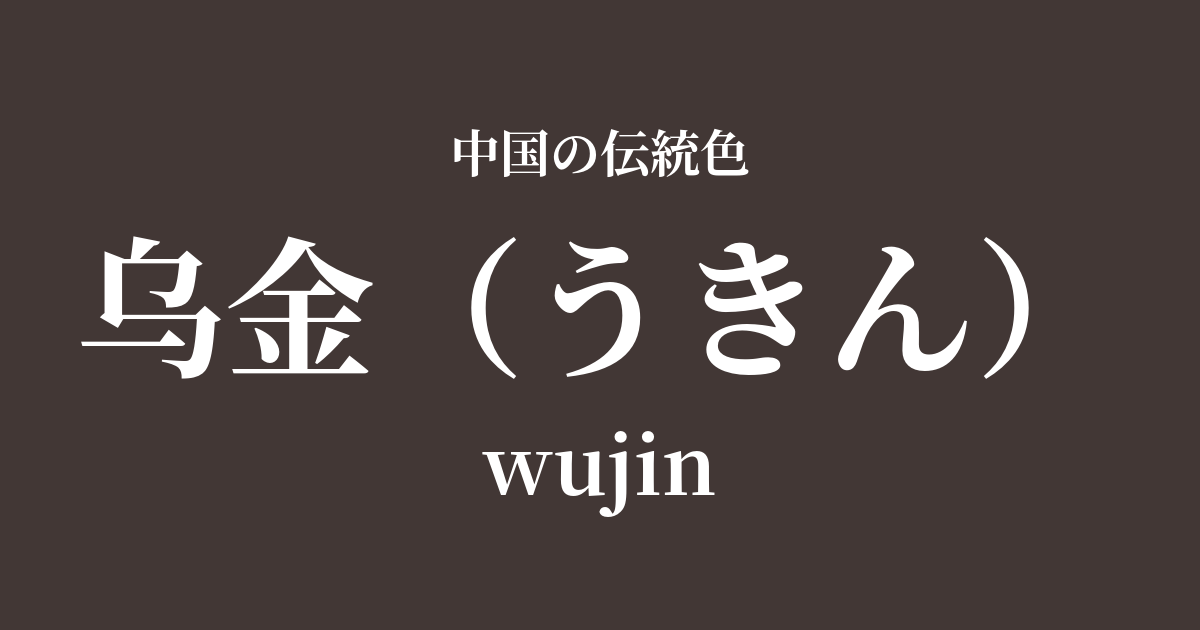
| Color name | Nokin |
|---|---|
| reading | Ukin |
| pinyin | wujin |
| HEX | #423735 |
| RGB | 66, 55, 53 |
What is "乌金"? Origin and etymology
"Ukin" literally means "black gold (metal)" like a "crow" ("U"), referring to a deep, rich black color. The name is said to originate from obsidian, and especially from a hard, black mineral called "Ukin stone."
Oojin stone has long been prized as a high-quality material for inkstones. Its surface is smooth, and it emits a dull luster within its deep black color. The hard, subtle sheen of this mineral, which is not simply black, has become established as "Oojin."
Therefore, this color encompasses not only strength and gravitas, but also nuances of intelligence, sophistication, and rarity.
Historical background of the Oujin
The word "乌金" (okine) has existed since ancient times and has been used to refer to precious black metals and minerals. This color played a particularly important role in history, especially in its connection to literary culture.
In successive dynasties, where calligraphy was highly valued as an art form and a symbol of refinement, a fine inkstone was considered a spiritual anchor for literati. The deep, serene black of inkstones made from oxalite symbolized intellect and spirituality, and was cherished by many literati and emperors.
Furthermore, in the Chinese Five Elements philosophy, black belongs to the "Water" element and is considered the color that governs the north. As a color that symbolizes the origin and profundity of all things, it was used in situations where solemnity was required, such as in ceremonies, architecture, and the clothing of noble people. The deep black of "Wu Jin" was a suitable color for expressing such authority and mystery.
Ujian in Chinese Art and Crafts
The color "Wujin" has inspired various fields of Chinese art. Its most direct connection is undoubtedly in the world of calligraphy. Inkstones made from Wujin stone were one of the "Four Treasures of the Study," central to the study culture. Their deep black color quietly absorbed the black ink produced from them, providing a foundation that enhanced the dignity of the artwork.
In the field of ceramics, the black glaze of Tenmoku tea bowls, which flourished during the Song dynasty, resonates with the aesthetics of "Ujin" (gold lacquer). In particular, the silver and iridescent spots that emerge from the jet-black glaze of Yohen Tenmoku and Yuteki Tenmoku made at the Jian kiln are like stars shining in the night sky, embodying the concept of "brilliance within black" that is central to Ujin.
In clothing culture, black was treated as a solemn color. Hanfu, especially those made from lustrous black silk fabrics, symbolized noble status and demonstrated a person's dignity in ceremonial settings. A deep black, like that of oxkin, would have given the wearer an air of authority and composure.
Wu Jinshi, Zi Yuying. Takutame inkstone, Hara Risuke.
Color scheme preview
This is to check the readability of the text when this color is used as the background.
Color scheme proposal for Okin
赭石 (#A14F47)
The combination of heavy gold and warm, earthy ochre creates a powerful yet calm and dignified impression. The deep color scheme evokes historical buildings and traditional crafts.
Moon White (#D9E4E8)
The combination of deep gold and pale moonlight creates a sophisticated contrast reminiscent of a quiet night. This color scheme is ideal for minimalist and modern spaces and designs.
Yellow (#FFB61E)
By adding shimmering orpiment as an accent to the jet-black gold, a luxurious and eye-catching impression is created. It is recommended when you want to express the splendor of court culture or a mystical atmosphere.
Practical Scenes
In interior design, "Oolong" brings a sense of luxury and tranquility to a space. Incorporating it into accent walls, sofas, cabinets, and other large furniture pieces can tighten the overall look of a room and create a dignified atmosphere. Combining it with light colors like moon white, metallic lighting, and glass products creates a modern and sophisticated space.
In the world of fashion, "Oojin" (golden hair) creates an elegant and powerful style. Dresses and jackets made from glossy materials such as silk and velvet exude presence in formal settings. Furthermore, incorporating it into accessories such as bags, shoes, and belts adds sophistication and stability to an outfit.
In web and graphic design, using gold as a background color can convey credibility and professionalism to the content. Combining white or gold (such as oreskin) with text and logos results in a highly readable and luxurious design.