
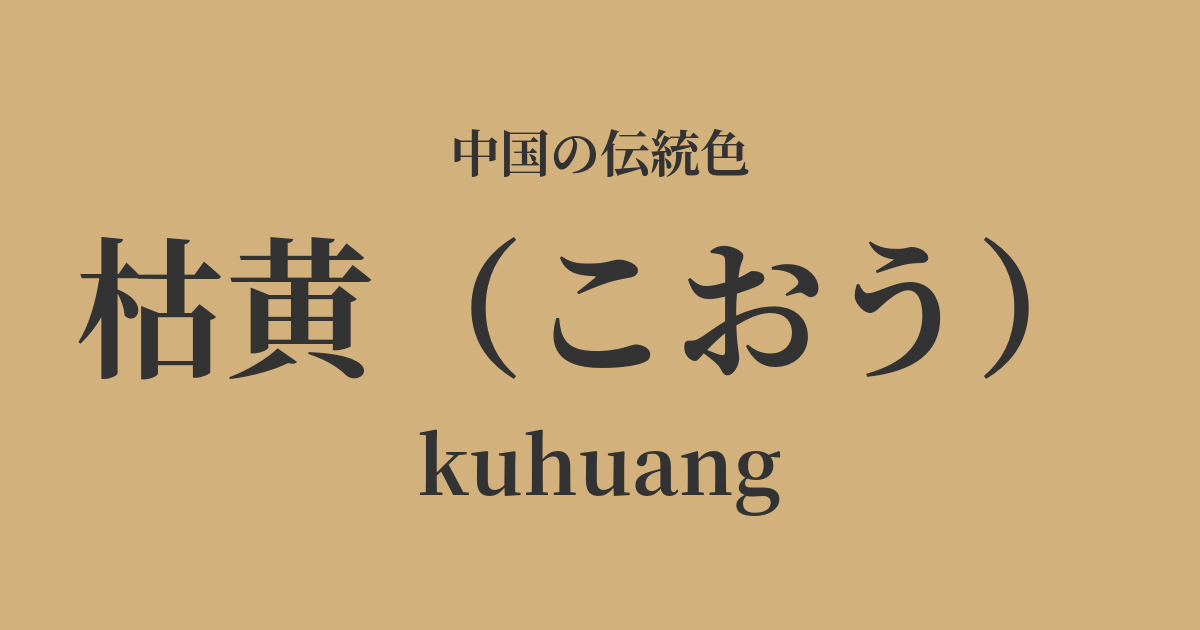
| Color name | dry yellow |
|---|---|
| reading | Koou |
| pinyin | kuhuang |
| HEX | #D3B17D |
| RGB | 211, 177, 125 |
What is "Kōō"? Origin and etymology
Kou, as the name suggests, means "withered yellow," and it is a color that reflects the scene of plants and trees fading in color at the end of autumn.
It has a calm and slightly melancholic atmosphere, as if capturing a scene from the natural cycle where the brilliance of life subsides and returns to the earth.
In the Five Elements philosophy, yellow is an important color symbolizing the center and the earth, but withered yellow adds the element of "time." It is a deeply evocative color name that evokes a sense of mature calmness and introspective stillness after the peak of splendor has passed.
Historical background of the withered yellow
Unlike the vibrant colors used by emperors and nobles, withered yellow has been deeply associated with a more natural and simple aesthetic.
These subdued earth tones were particularly favored by the literati of the Song dynasty, who valued a return to nature and spirituality. They avoided extravagant ornamentation, believing that true beauty lay in simplicity, and found a deep affinity for colors like withered yellow.
Furthermore, because this color does not require special dyes, it was widely used in the everyday clothing and household items of ordinary people. It is a gentle and practical color that has been close to people's lives and blended into the vast landscape of China.
Withered Yellow in Chinese Art and Crafts
In Chinese art, withered yellow is an indispensable color in landscape paintings depicting autumn scenery. It is used to represent withered trees, harvested fields, and dry earth, expressing the changing seasons and a sense of tranquility. For example, one can find tones similar to withered yellow in the restrained color palette seen in the works of painters from the Yuan Dynasty.
In the world of ceramics, the simple yellow glaze found in pieces from the Cizhou kilns of the Song dynasty shares a similar warmth with the toasted yellow color. This aesthetic, which values the texture of the clay over perfection, resonates with the spirituality of this color.
In fashion culture, this color was sometimes used for the clothing of people who pursued spirituality away from worldly affairs, such as monks and Taoist priests. It was a color that symbolized a philosophy that valued simplicity and harmony with nature.
Karou Toroju Tokrow
Color scheme preview
This is to check the readability of the text when this color is used as the background.
A proposed color scheme for withered yellow.
Sumi black (#3E3A39)
The calming hues of withered yellow, combined with the deep black of ink black, create a quiet and intellectual impression. This combination is perfect for creating a minimalist and sophisticated space reminiscent of ink painting.
Pilestone (#994A3D)
Combining with withered yellow and reddish-brown ochre creates a warm color scheme reminiscent of the bountiful autumn harvest. It evokes a sense of the earth and nature's richness, creating a calm and reassuring atmosphere.
Tsukihaku (#EAF4FC)
By combining the withered yellow of barren earth with the pale moonlight of a dawn sky, this color scheme evokes a sense of subtle brightness and hope amidst tranquility. It gives an elegant, refined, and light impression.
Practical Scenes
In interior design, withered yellow brings tranquility and warmth to a space. Using it on large areas such as walls, curtains, and rugs in living rooms and studies can create a relaxing atmosphere. It pairs particularly well with natural materials such as solid wood furniture and Japanese paper lighting.
In fashion, incorporating earth tones into items like trench coats, linen shirts, and wool sweaters creates an elegant and sophisticated style. They harmonize well with earth tones in general and possess a timeless appeal that transcends trends.
In web and graphic design, using it as a background color creates a natural and trustworthy impression. It is particularly effective when you want to convey a calm and sophisticated worldview, such as for organic products, traditional crafts, or lifestyle brands.