
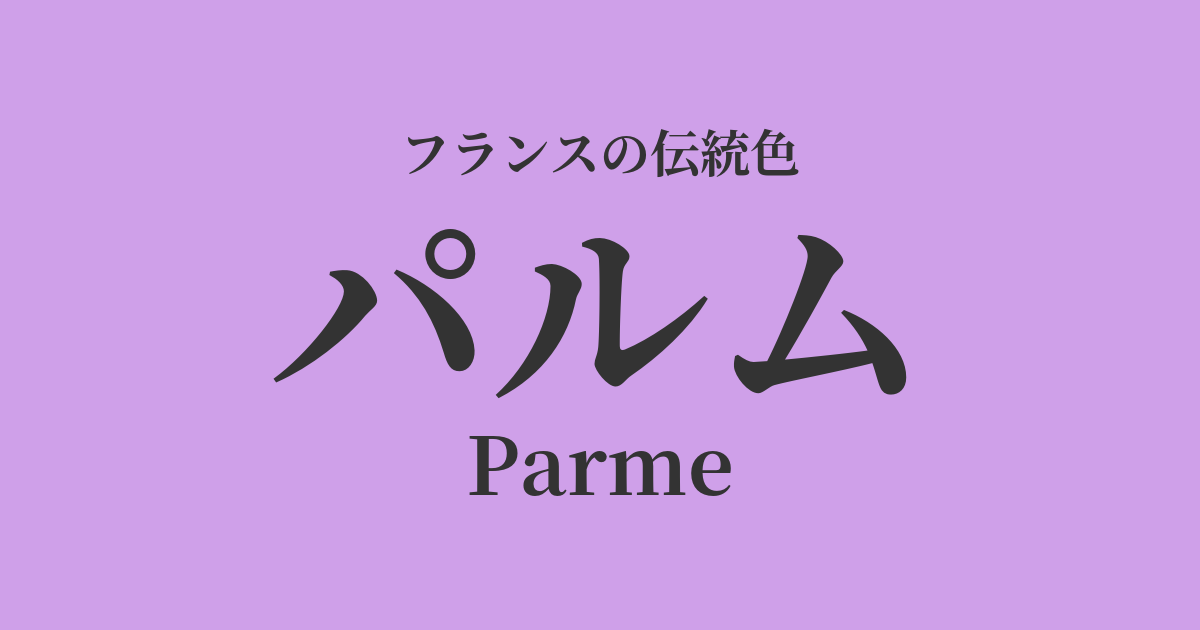
| French | Parme |
|---|---|
| Katakana | Palm |
| HEX | #cfa0e9 |
| RGB | 207, 160, 233 |
What is Palmu? Origin and Etymology
"Parme" is an elegant and delicate pale purple color derived from the French words "violette de Parme," meaning "sweet violet." As the name suggests, it is characterized by a bluish-purple hue that seems to capture the color of the petals of a violet flower, which emits a sweet and fragrant scent.
This violet is said to have been named "Parma" because, in the 18th century, its cultivation was encouraged in the Duchy of Parma, Italy, and it was highly valued as an ingredient in perfumes. The color of the Parma violet is not only beautiful, but it also evokes the sweet fragrance of the flower behind it, captivating people's hearts.
Historical background of Palm
The color of Palme wine first appeared on the French stage in the early 19th century, largely due to the presence of Empress Josephine, wife of Napoleon Bonaparte. She deeply loved violets throughout her life, even incorporating them into her coat of arms. There is also a romantic anecdote that Napoleon gave her a bouquet of violets every year on their wedding anniversary.
Because of this, violets and their color, palm, became symbols of the Bonaparte family. This color, beloved by Josephine, greatly influenced court fashion and interior design at the time and became extremely popular among upper-class women. From the First French Empire to the Romantic era, palm was loved by many as a color symbolizing elegance, delicacy, and hidden passion.
Palm in the world of art and fashion
Palm's elegant hues provided great inspiration to the worlds of fashion and art. In 19th-century fashion, dresses dyed in Palm's colors using light fabrics such as muslin and silk were popular, enhancing the grace of women. Its delicate hues perfectly harmonized with the ephemeral and romantic aesthetic of the time.
In the art world, Impressionist painters skillfully used shades of purple to express the effects of light and atmosphere. As seen in the works of Claude Monet and Berthe Morisot, pale purples like Palme were effectively used to depict light reflected in the shade of trees or on the surface of water, and shadows cast on the skin of figures, giving paintings depth and a sense of atmosphere. Furthermore, during the Art Nouveau period at the end of the century, it was frequently used in curvilinear and fantastical designs, along with natural motifs such as plants and insects.
Color scheme preview
This is to check the readability of the text when this color is used as the background.
Palm's color scheme proposal
Gris de Lignan (#dcd3c3)
The sweet impression of Palmu is gently neutralized by the natural, calming gray reminiscent of linen. This color scheme is recommended when you want to create a refined yet warm, elegant, and tranquil space.
Vert Absinthe (#87c38f)
This combination, reminiscent of violet flowers and leaves, is natural and full of vitality. The romantic atmosphere of Palme is complemented by the slightly mysterious green of absinthe, creating a unique and stylish impression.
Rose Pompadour (#ed82a1)
The elegant Palme and the vibrant Rose Pompadour create a very feminine and sweet Rococo-inspired world. This color scheme is perfect for creating a dreamy, romantic atmosphere that will make your heart flutter.
Practical Scenes
The elegant and sophisticated atmosphere of Palmu makes it suitable for a variety of occasions.
In interior design, incorporating this color into accent walls in bedrooms and living rooms, or using it in fabrics such as curtains and cushions, brings elegance and tranquility to the space. It also pairs exceptionally well with antique-style furniture and silver and gold accessories.
In fashion, using Palme in spring and summer dresses and blouses creates a light and sophisticated impression. Combining it with delicate materials such as silk, lace, and organza further enhances Palme's romantic charm. It's also a popular color for wedding theme colors.
In web design and graphic design, this color is suitable for brand websites that want to convey a sense of luxury and femininity, as well as for beauty and wellness-related content. Rather than using it boldly as the main color, effectively placing it as an accent results in an elegant and memorable design.