
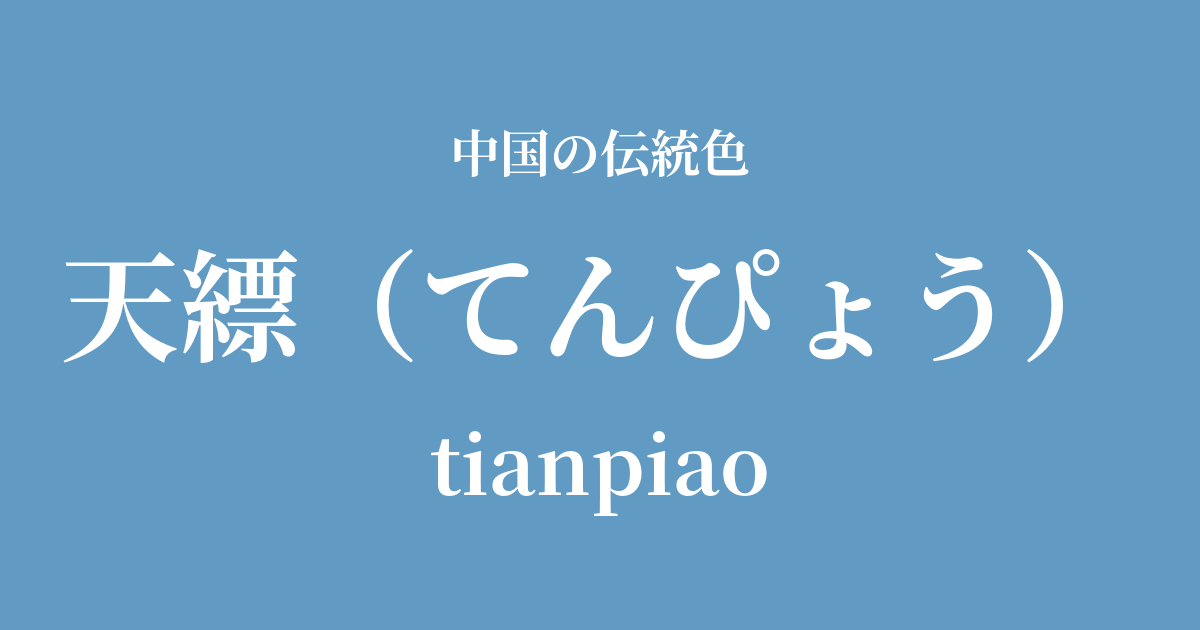
| Color name | Tentan |
|---|---|
| reading | Tenpyo |
| pinyin | tianpiao |
| HEX | #619AC3 |
| RGB | 97, 154, 195 |
What is Tenkei? Origin and etymology
Tenpyō, as its name suggests, is a beautiful blue color that seems to reflect the color of a clear sky. "Ten" means sky, and "pyō" means light indigo or blue, and when the two characters are combined, it evokes the image of an endlessly stretching sky.
This color is especially associated with the clear sky peeking through breaks in the clouds after the rain has stopped. A pure, deep blue, after the dust and dirt in the atmosphere have been washed away. It is a fleeting yet beautiful natural color created by momentary weather conditions. People have found tranquility, hope, and the beauty of ideals in this color.
The historical background of Tenryu
The color of Tenbyo (天青) has attracted particular attention in history, dating back to the Later Zhou dynasty of the Five Dynasties period (10th century). The anecdote that Emperor Chai Rong (Sejong) ordered that the ideal color for porcelain be "the blue of the sky after the rain, the color of the clouds parting" is very famous.
This phrase was later passed down as referring to the color of Ru ware celadon, which was considered the pinnacle of its kind during the Northern Song dynasty. Ru ware celadon possesses a quiet, profound blue hue, as if the color of heavenly blue had been expressed through glaze. Due to its rarity and dignified beauty, it was treated as a supreme treasure in the imperial court and was deeply cherished by successive emperors and literati.
Tenbyō is more than just a color name; it is deeply etched in Chinese history as a color that symbolizes the ultimate aesthetic sense pursued by the emperors and the culmination of the skills of the craftsmen who brought it to life.
Tianren in Chinese Art and Crafts
The color most closely associated with the Tenbyo (sky blue) is Ru ware celadon from the Northern Song dynasty. Its glaze, also known as "Ten-sei Yu" (sky blue glaze), is characterized by its moist texture and unique blue color that seems to emit a soft light from within. The fine crackle pattern seen on the surface is called "crab claw pattern," and it further enhances its serene beauty.
In landscape paintings, a pale blue, like celestial blue, is sometimes used to depict distant mountains, the sky, and the surface of water. When this color is added to the shades of ink, it creates depth and a sense of clarity in the painting.
In the realm of fashion culture, Tenhanada was considered a color that conveyed nobility and intelligence, and was used in the clothing of aristocrats and literati. Tenhanada dyed on lustrous silk fabrics in particular would have given an elegant and refined impression, as its appearance subtly changed depending on the light.
Rainy weather blue sky hath place
Color scheme preview
This is to check the readability of the text when this color is used as the background.
Tenren's color scheme proposal
Moon white (#D9D6C3)
When combined with a pale moonlight-like white, it creates a poetic and calming atmosphere reminiscent of a quiet night sky. The colors complement each other, giving an elegant and sophisticated impression.
Silver mouse (#AFAFAF)
The silver-gray color, reminiscent of rain clouds or the soft ink tones of sumi-e paintings, makes the light blue of the sky appear more sophisticated and modern. This creates an urban and stylish color scheme, making it suitable for minimalist designs.
Pilestone (#995A34)
By combining it with ochre, a color reminiscent of the earth and pottery, a contrast between the sky and the earth is created, resulting in a warm and stable color scheme. It creates a calm and comfortable space that evokes natural landscapes.
Practical Scenes
In interior design, using Tenryu blue for large areas such as wallpaper, curtains, and sofas brings a sense of calm and openness to the entire room. It is especially recommended for spaces where you want to spend time quietly, such as bedrooms and studies. When combined with colors like Tsukishiro or light wood, it creates a clean and tranquil space.
In fashion, incorporating it into items such as shirts, dresses, and scarves gives an elegant and sophisticated impression. It can be used in a wide range of situations, from business settings to everyday wear, and it pairs particularly well with basic colors such as silver-gray, white, and beige.
In web and graphic design, using it as a background or accent color can convey a sense of trust, sincerity, and tranquility. When combined with minimalist designs, it can effectively communicate a sophisticated worldview.