
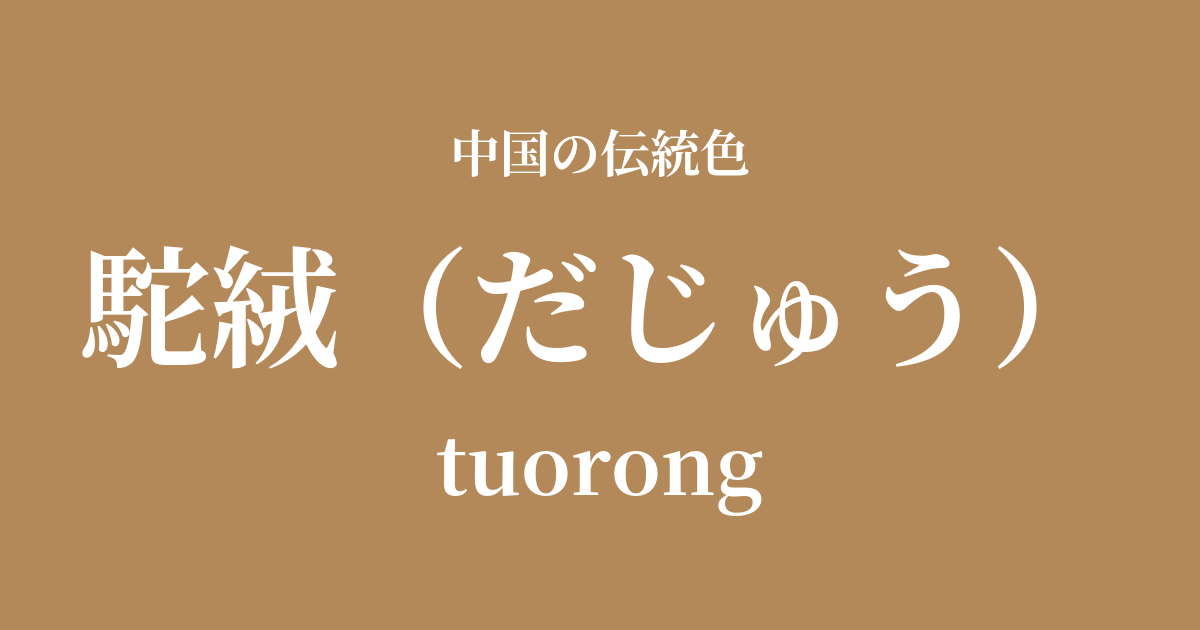
| Color name | cotton carpet |
|---|---|
| reading | Daju |
| pinyin | tuorong |
| HEX | #B3895A |
| RGB | 179, 137, 90 |
What is a robe? Origin and etymology
"驼绒 (駝獣)" is, as the name suggests, a warm, yellowish-brown color derived from "驼 (驼)" and "绒 (绒)" (soft hair).
This color evokes images of camels traversing vast deserts and the fine textiles made from their hair. Camel hair is excellent at retaining heat and has long been an indispensable material in the lives of nomadic peoples, as well as a valuable trade item transmitted along the Silk Road. Its natural and simple hue has become established as the name of this color.
The color of camel wool evokes warmth, a sense of security, and an exotic atmosphere. It's a color with profound charm, combining the strength of the camel that survives harsh natural environments with the soft texture of its wool.
Historical background of the rug
The color of camel silk is deeply intertwined with the history of the Silk Road, the trade route connecting China and the Western Regions. Camels, also known as the "boats of the desert," were the primary means of transport along this route. Therefore, camel silk is considered one of the colors that symbolizes the cultural exchange and prosperity brought about by the Silk Road.
The Tang Dynasty, in particular, saw the flourishing of a culture rich in international influences. Many merchants from the Western Regions visited Chang'an, the capital city, and the camels they brought with them became a symbol of foreign culture for the people of that time. Among the "Tang Sancai" porcelain unearthed from tombs of this period, many camel figurines laden with goods can be found, and their lifelike appearance conveys the vibrancy of the era.
Furthermore, as interaction with the northern peoples deepened, camel hair textiles and their colors, which were deeply rooted in their way of life, were incorporated into Han Chinese culture. It is believed that these textiles were widely used, from the imperial court to the common people, especially because they were practical as winter clothing.
Liao Duo in Chinese Art and Crafts
In clothing culture, camel was a color used for fabrics made from camel hair, particularly in cold northern regions for winter clothing such as coats and hats. Its natural, warm hue reflects not only practicality but also a simple, understated aesthetic that avoids ostentation. Even today, camel remains an essential color in autumn and winter fashion, appearing in coats, knitwear, and other garments.
In the realm of art and crafts, the Tang Dynasty sancai camel figurines are a prime example. The color of the fur, expressed through glaze, is truly the color of a tulip's coat, making them invaluable historical documents that tell the story of the Silk Road. Furthermore, in paintings depicting the landscapes of the frontier and the lives of northern tribes, this warm brown color was effectively used to represent the desert, the earth, and the clothing of the people.
Color scheme preview
This is to check the readability of the text when this color is used as the background.
Color scheme proposal for rug
Pilestone (#A55D46)
This combination, using the same earth tones, exudes calmness and depth. The reddish hue of the ochre enhances the warmth of the velvet, creating a dignified and substantial impression. It is ideal for traditional spaces and autumn attire.
Moon white (#D6E0F3)
The warm, inviting feel of the velvet is complemented by the cool, pure color of the moon-white, creating a sophisticated and modern impression. The colors enhance each other, resulting in an elegant and light atmosphere and fashion.
Ai green (#A4B89A)
This natural and calming color scheme evokes desert landscapes and oasis plants. It creates a natural and tranquil atmosphere, blending comfortably with interior decor and outfits for days when you want to relax.
Practical Scenes
In interior design, rugs bring warmth and tranquility to a space. Using them on large areas such as walls, curtains, and sofas in living rooms and bedrooms creates a cozy and relaxing atmosphere. They also pair exceptionally well with wooden furniture, houseplants, and linen materials.
In fashion, it's a particularly popular staple color for autumn and winter coats and knitwear. Its appeal lies in its sophisticated and intellectual impression, while also being highly versatile and easy to pair with any color. You can enjoy a wide range of outfits, from casual looks with denim to chic styles with black or white.
In web and graphic design, using it as a background or accent color can convey a sense of trust and reliability. It is particularly effective when you want to convey a natural and high-quality image, such as for organic products, traditional crafts, or lifestyle brands.