
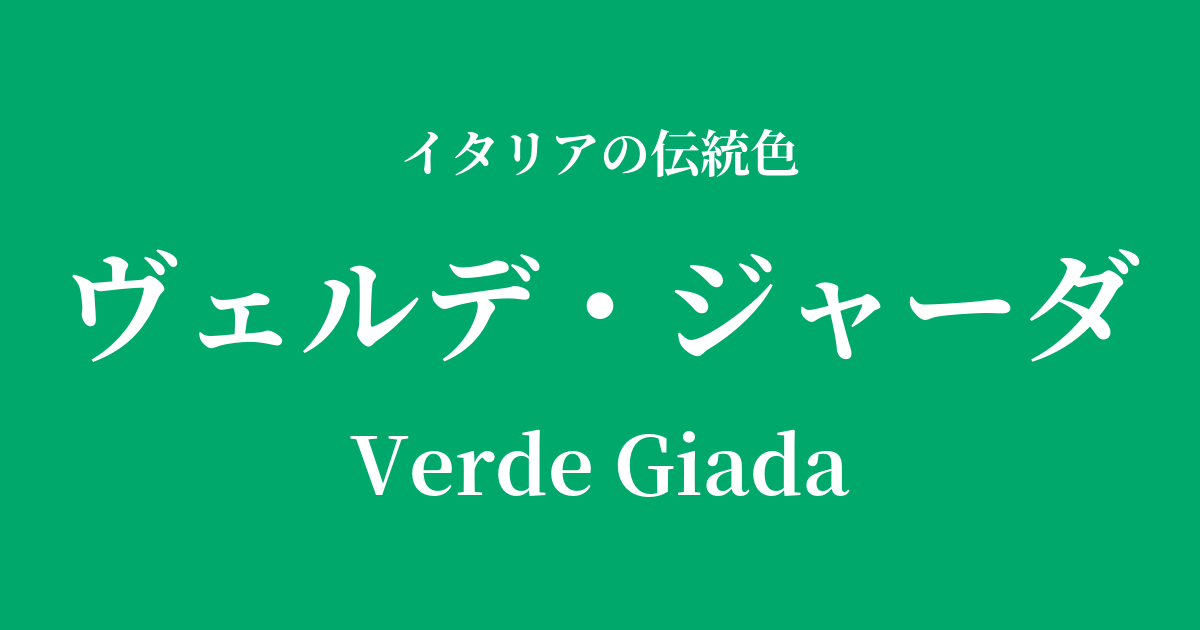
| Italian original name | Verde Giada |
|---|---|
| Japanese notation | Verde Giada |
| HEX | #00A86B |
| RGB | 0, 168, 107 |
What is Verde Giada? Origin and Etymology
Verde Giada, meaning "jade green" in Italian, is a deep yet vibrant green color. As its name suggests, it derives from the mystical hue of jade (Giada), a gemstone that has been highly valued in the East since ancient times.
It is believed that jade was brought to Italy through East-West trade, where Venetian merchants and others played a vital role, via the Silk Road and other routes. Its rarity and captivatingly beautiful green color fascinated the people of Italy.
Jade was believed to be more than just a beautiful stone; it was thought to possess the power to bring good fortune, wealth, and longevity. Therefore, the color name Verde Giada embodies the nobility and mystical stories inherent in the gemstone itself.
This color evokes a sophisticated, artificial beauty that sets it apart from the greens of nature. The attempt to recreate the colors of gemstones likely influenced the development of dyeing techniques and pigment production at the time. Verde Giada is a special color born from a longing for other cultures and a yearning for rare treasures.
Historical background of Verde Giada
In ancient Rome, green was the color dedicated to Venus, the goddess of love and beauty, and was a vibrant color symbolizing fertility, hope, and the arrival of spring. However, it was only in the Middle Ages that green derived from specific gemstones, such as verde giada, came to hold special meaning.
Especially during the Renaissance, wealthy families and nobles, such as the Medici of Florence, began collecting rare treasures like jade imported from the East. These collections were an important way for them to flaunt their power, wealth, and refined aesthetic sense.
Jade artifacts were not merely ornaments, but symbols that spoke of the owner's status. Therefore, the color Verde Jada came to be recognized not simply as a beautiful green, but as a special color associated with wealth, power, and international trade networks.
Verde Giada in Italian Culture and Art
In Renaissance painting, vibrant green required expensive pigments. For example, malachite, made from powdered malachite, was one pigment used to produce a vivid hue similar to verde giada. When green was used in the clothing of the Virgin Mary and saints, the choice of shade had symbolic meaning, as well as an intention to showcase the patron's wealth.
Furthermore, the Verde Giada color truly shone in the world of crafts such as jewelry and cameos. The Silver Museum in Florence's Pitti Palace houses a magnificent collection of jewels amassed by the Medici family, including exquisitely carved jade pieces. These works demonstrate the high level of skill of artisans who maximized the beauty of the material.
Even today, this color remains beloved in the world of Italian fashion and design. Used in high-end brand dresses and accessories, it impresses viewers with elegance and refined individuality. Its hue is intertwined with historical context, giving it a timeless appeal.
...A lady appeared before me, clad in a green cloak and adorned in garments the color of burning flames.
Color scheme preview
This is to check the readability of the text when this color is used as the background.
Verde Giada's color scheme proposal
Rosso Pompeiano (#D21F1B)
Two colors that are close to complementary colors enhance each other, creating a very dramatic and passionate impression. It's a color scheme reminiscent of ancient Roman frescoes, evoking a sense of history and vitality.
Giallo Napoli (#FADA5E)
Combining it with a bright, vibrant yellow creates a fresh, lifelike impression. This color scheme evokes the sun and abundant nature of Southern Italy, creating a cheerful and optimistic atmosphere.
Bianco Travertino (#F7F2E2)
The vibrancy of Verde Giada is gently complemented by a soft off-white reminiscent of travertine marble. This color scheme creates an elegant, sophisticated, and calmly modern impression.
Practical Scenes
In interior design, Verde Giada is an ideal accent color that brings depth and luxury to a space. Using this color on just one wall in the living room, or incorporating it through velvet sofas and cushions, creates a sophisticated atmosphere. It also pairs exceptionally well with metallic materials such as gold and brass.
In the world of fashion, this color has a leading role. Dresses and blouses made from glossy materials like silk and satin will stand out at parties. Even subtly incorporating it through accessories like scarves, bags, and shoes can add an intellectual elegance to your entire outfit.
In web and graphic design, it is effective when you want to convey an image of trustworthiness, nature, and sophistication. When used as a key color for luxury brands, wellness, or environmental websites, it gives users a refined and calming impression.