
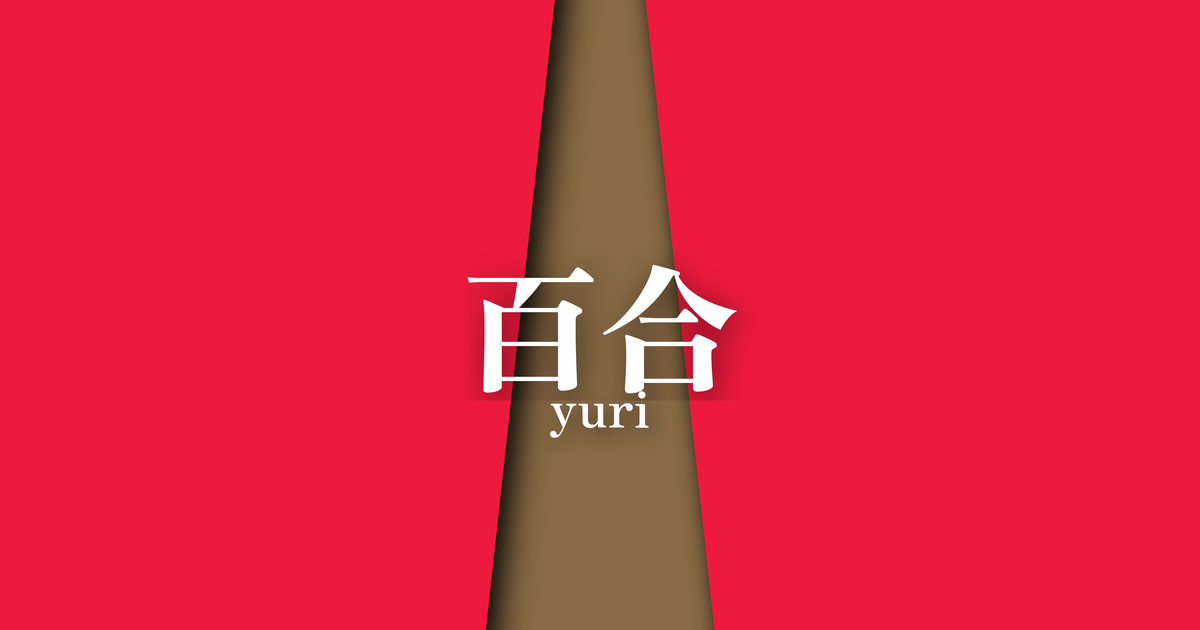
| Japanese color name | lily |
|---|---|
| reading | yuri |
| season | 夏 |
| Color of the table | Red (aka) |
| Back color | Kuchibairo (decayed leaves) |
What is a lily? Origin and etymology
The "Lily" color combination, as its name suggests, is a color scheme inspired by the lily flower that blooms in summer. The vibrant red on the front symbolizes the lily petals blooming in the strong summer sun. On the other hand, the withered leaf color on the back is said to represent the leaves and stems of the lily, or the color of the soil in which the flower blooms. This combination beautifully expresses the elegant figure of a lily standing proudly in a summer field.
The historical background of lilies
The color combinations of layered garments were refined within the Heian period's national culture and became an important means of expressing the seasons among the aristocracy. "Lily" was one such color combination, and there are records of its use in summer attire. In particular, the "Masasuke Shōzoku Shō," a book of court customs and practices believed to have been compiled during the Kamakura period, lists it as a color combination for summer clothing. It is thought that when court ladies changed their clothes according to the changing seasons, they chose this "lily" color scheme and enjoyed wearing the beauty of nature.
Related literature, waka poetry, and seasonal words
Lilies have long been an important element in depicting summer scenes in Japanese poetry and narrative literature. They are also a familiar seasonal word for summer, and their elegant appearance has been celebrated by many poets. Although there are not many direct mentions of the "lily" color combination in Heian period literary works, in works such as "The Tale of Genji," lilies are effectively used in descriptions of gardens, playing a role in conveying a sense of the season and the emotions of the characters.
This suggests that the lily was one of the symbols of beauty in the aristocratic culture of that time.
Like the lily blooming in the thickets of the summer field, the unknown love is a painful thing.
The season and scenery of lilies
"Lily" is a color combination worn during the summer, especially the height of summer. It depicts the scene of lilies blooming in the fields and mountains around the sixth month of the lunar calendar, when the sunlight is strongest all year. The vivid red on the outside represents the petals shining in the midsummer sun, while the withered leaf color on the inside evokes the strong leaves and stems, and the dry earth.
This color scheme not only reflects the beauty of the flowers, but also symbolizes the vitality and strength of summer nature itself, demonstrating the wearer's deep understanding and appreciation of the season.
Lily color scheme proposal
Light green (#A9D157)
The fresh green color represents the vibrant color of young leaves, and when added to the color scheme of lily red and withered leaves, it completes the image of lively summer wildflowers. In traditional Japanese clothing, it is used in hakama (trousers) and has the effect of tightening the overall look.
Lapis Lazuli (#1F4788)
By combining red with a blue-based lapis lazuli color that is close to its complementary color, the two colors stand out, creating a powerful and modern impression. It evokes images of summer skies and water, and the contrast with the red of the lily expresses both coolness and passion at the same time.
White training (#F3F3F3)
When combined with pure white, the vibrant red of the lily takes center stage, creating a noble and sophisticated impression. The image of the white lily also contributes to a color scheme that balances purity and splendor.
Practical Scenes
Traditionally, the "lily" color scheme was used in the layering of summer uchiki (outer robes) in the court ladies' attire during the Heian period. It is thought to have been cherished as an outfit that heralded the arrival of summer in the court life, where a sense of the seasons was highly valued. In modern times, incorporating this color scheme into kimono and yukata coordination allows you to enjoy a classic yet bold summer look. Combining red and withered leaf green in obi (sash) and accessories is also a stylish touch.
Furthermore, this color scheme can be used as an accent color that evokes a Japanese aesthetic in the fields of interior design, fashion, and graphic design. The combination of passionate red and calming withered green adds depth and a sense of narrative to spaces and products.