
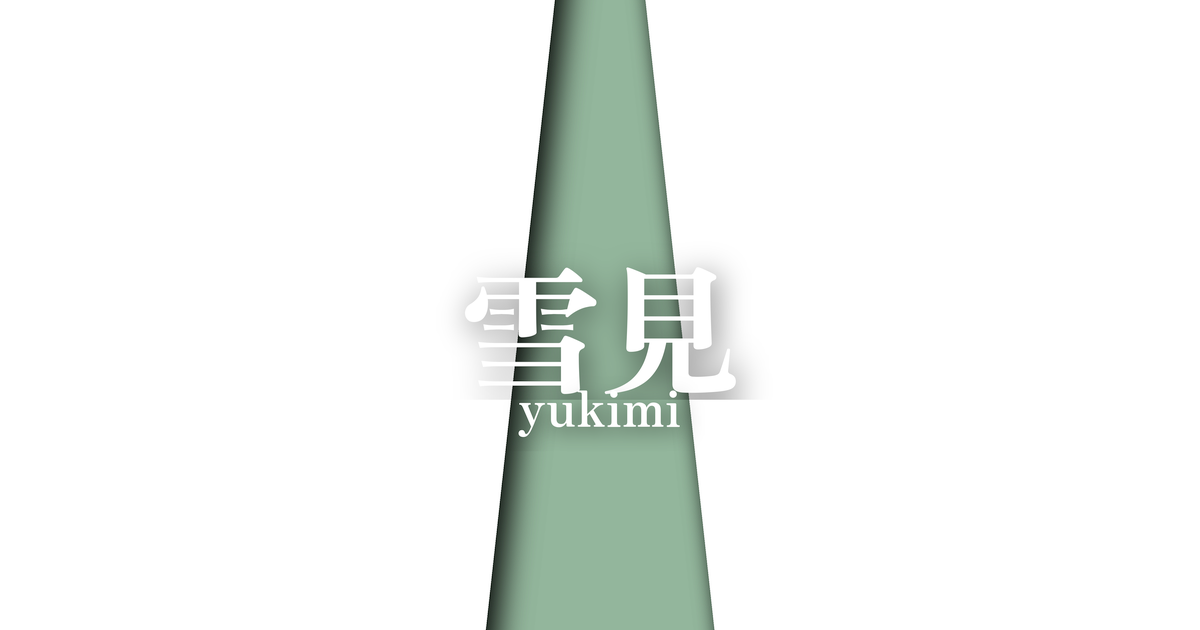
| Japanese color name | Snow viewing |
|---|---|
| reading | yukimi |
| season | 冬 |
| Color of the table | White (shiro) |
| Back color | light blue (usuao) |
What is Yukimi? Origin and Etymology
The name "Yukimi" literally derives from the custom of appreciating snowscapes. Heian-era aristocrats would hold banquets while gazing at snow-covered gardens and compose waka poems about the scenery. This color scheme is said to have incorporated such elegant winter scenes into the attire. The white on the outside represents fresh snow, while the light blue on the inside represents the plants waiting for spring beneath the snow and the color of frozen water. It embodies a sensibility that finds the breath of life and pure beauty even amidst the harshness of winter.
Historical background of snow viewing
During the Heian period, aristocratic attire placed great importance on the seasons, and "layered color combinations" that reflected natural landscapes played a crucial role. "Yukimi" (snow-viewing) is one such example, believed to have been worn during the winter season, especially when it snowed. In court ceremonies and private gatherings, wearers demonstrated a delicate sensibility towards the changing seasons through this color scheme. Although there are not many specific records of its wear, this color combination, nurtured within a culture that cherished winter scenery, conveys the aesthetic sensibilities of the people of that time to the present day.
Related literature, waka poetry, and seasonal words
In classical literature, snow has been depicted numerous times as an important symbol of winter. In "The Pillow Book," the beauty of a snowy morning is praised, with the line, "In winter, the early morning is the best. The sight of falling snow is beyond description." Similarly, in "The Tale of Genji," there are scenes that elegantly depict interactions amidst a snowy landscape. The layered colors of "snow-viewing" can be seen as a reproduction, on the garments, of the winter scenes depicted in these literary works—namely, the aesthetic of the contrast between the whiteness of the snow and the colors hidden beneath.
Though it is winter, flowers are falling from the sky; perhaps spring is beyond the clouds.
Snow-viewing season and scenery
"Yukimi" (snow-viewing) is a color combination that captures the most beautiful moment of winter. The white of the fresh snow covering the landscape, and the pale blue peeking out from beneath, evoke the frozen surface of a river or the color of young grass waiting for spring. This color scheme expresses the stillness and clear air of winter, while also conveying the breath of life residing within the harsh cold. The best time to wear this combination is during the winter of the old lunar calendar, roughly from December to February in the modern calendar. Wearing this color combination on a snowy day was an elegant way to enjoy oneself in harmony with nature.
Color scheme proposal for Yukimi
Silver mouse (#AFB1B4)
The silver-gray color, reminiscent of snow clouds and winter skies, blends beautifully with the white and pale blue of snow-viewing. The overall effect is a quiet and refined winter scene, creating a calm and serene impression. In contemporary design, it is well-suited for creating minimalist spaces.
Suou (#9E3D3F)
Adding the warm, dark red of sappanwood to the cool-toned snowscape creates a visual accent. It evokes images of winter camellias and nandina berries blooming in the snow, adding vitality and vibrancy to the winter scenery. This color scheme is easy to incorporate into accessories for traditional Japanese clothing.
Light green (#A9D159)
The fresh green color, symbolizing young grass sprouting from beneath the snow, resonates with the pale blue of snow-viewing, foreshadowing the arrival of spring. This color scheme expresses the transition from winter to spring, conveying a sense of hope and new beginnings. It is effective when you want to add a bright impression to interiors or fashion.
Practical Scenes
During the Heian period, this color scheme was used as layering for court ladies' attire at winter court ceremonies and snow-viewing parties. The sight of the light blue lining peeking out from beneath the white outer garment created a refined and elegant beauty. Even today, incorporating this color scheme into winter kimonos and Japanese accessories can evoke a classic sense of the season.
The color scheme of Yukimi (a Japanese winter theme) is easy to apply to modern design due to its cleanliness and tranquility. In interior design, combining light blue fabrics with white walls can create a calm and peaceful space. In web design and graphic design, it gives a minimalist and sophisticated impression and is suitable for expressing the feeling of winter.