
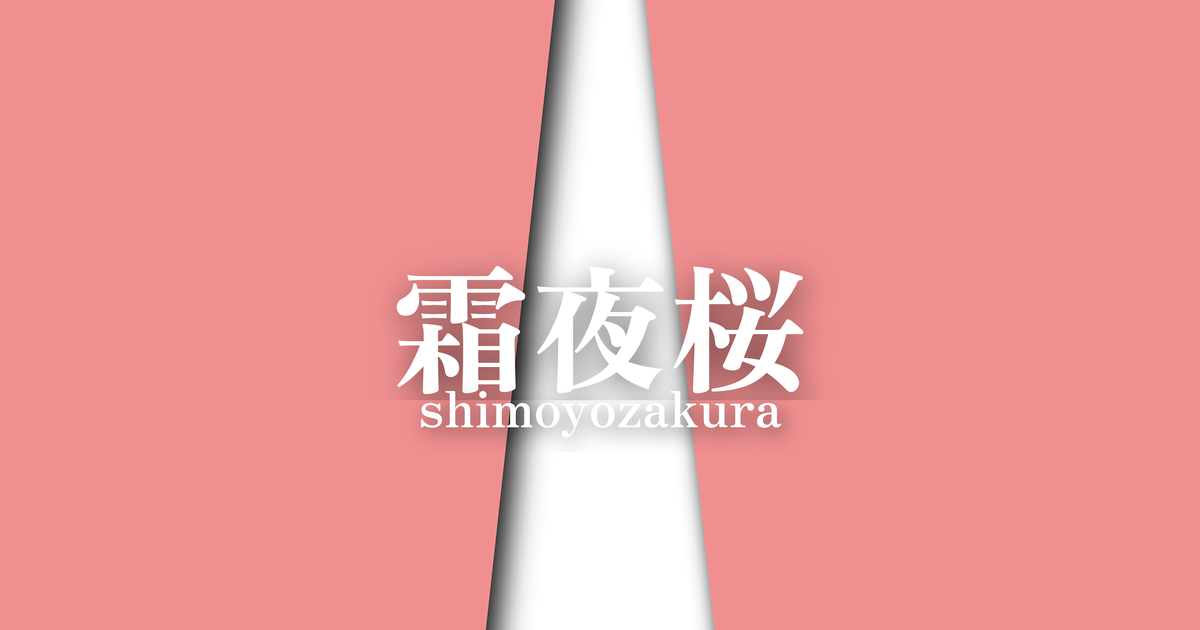
| Japanese color name | Frosty Cherry Blossoms |
|---|---|
| reading | Shimoyozakura |
| season | 冬 |
| Color of the table | Light red (usubeni) |
| Back color | White (shiro) |
What is Shimoyozakura? Origin and etymology
Shimoyozakura (frosty night cherry blossoms), as its name suggests, is a layered color combination that expresses the fantastical scene of "cherry blossoms blooming on a cold, frosty night." The pale crimson on the outside represents the color of the cherry blossom petals, while the white on the inside symbolizes the frost that has settled on the flowers. This color scheme captures the vitality of the cherry blossoms that bloom proudly in the harsh cold of winter, and their ephemeral beauty. It is said to be a color combination born from the refined aesthetic sense of Heian-era aristocrats who sought to express a delicate moment in nature through the colors of their clothing.
The name's etymology is a combination of "shimoyo" (frosty night), a seasonal word for winter, and "sakura" (cherry blossom). While there are not many documents that directly explain its origin, it is a typical example of a name that evokes a specific image. Cherry blossoms blooming in winter are rare, and therefore were considered to possess a special beauty. This color combination is more than just a simple combination of colors; it has the power to evoke a poetic story in the viewer, demonstrating the profound depth of traditional Japanese color culture.
Historical background of Shimoyozakura
The use of layered colors developed as an expression of the aesthetic sensibilities of the aristocracy during the maturation of Heian period Japanese culture. People were keenly aware of the changing seasons and natural landscapes, and incorporated these into the color schemes of their clothing to express their refinement and high level of sophistication. In particular, the colors of the layered garments held significant meaning in the twelve-layered kimono (junihitoe) worn by women.
"Shimoyozakura" (frosty cherry blossoms) is thought to have been worn by women in the imperial court as one of the color combinations that expresses the feeling of winter. Although there are limited records of specific instances of its use, it is presumed to have been chosen as attire appropriate to the atmosphere of ceremonies and private poetry gatherings held during the winter season. This color combination can be said to strongly reflect the uniquely Japanese aesthetic of finding beauty in the harshness of winter's nature.
Related literature, waka poetry, and seasonal words
While it is difficult to pinpoint a specific classical literary work that directly uses the color name "Shimoyozakura" (frosty cherry blossoms), works such as "The Tale of Genji" and "The Pillow Book" contain numerous descriptions of the beauty of seasonal attire and how the colors of the characters' clothing symbolize their feelings and the scenes they are in. For example, in winter scenes, colors reminiscent of snow, ice, and withered plants are used, adding depth to the narrative.
"Shimoyozakura" (frosty cherry blossoms) is a color scheme that embodies the ephemeral beauty found in quiet, cold air, as depicted in literary works, that is, the sentiment of "mono no aware" (the pathos of things). The poetic scene of cherry blossoms blooming on a winter night, covered in frost, has been the subject of many waka poems, and this color scheme is also thought to have originated from an aesthetic sense deeply connected to the worldview of waka poetry.
The season and scenery of cherry blossoms on a frosty night
"Shimoyozakura" is a color combination used in layered kimono to express the feeling of winter. Specifically, it was considered appropriate to wear it from late autumn when frost begins to fall until the harsh winter months (around the 10th to 12th month of the lunar calendar). The light pink of the outer layer symbolizes winter cherry blossoms, while the white of the inner layer symbolizes the frost that settles on those flowers and the cold, crisp winter air.
This color scheme exudes a sense of solitude and dignified elegance amidst its vibrancy. It evokes the fantastical image of cherry blossoms glowing white in the moonlight of a winter night, and was likely favored for winter evening gatherings and quiet banquets. It strongly reflects the Japanese aesthetic of the brilliance of life glimpsed amidst the harsh seasons.
Color scheme proposal for Shimoyo Sakura
Black (#333333)
The ink black color symbolizes the quiet darkness of a winter night, beautifully highlighting the pale pink cherry blossoms and white frost. The resulting contrast enhances the impression of dignified elegance, making it a color scheme that is easily applicable to modern designs.
Silver mouse (#AFB1B4)
Silver-gray is a color reminiscent of cold air and winter moonlight. When combined with the delicate hues of frosty cherry blossoms, it creates an overall ephemeral and elegant atmosphere. It gives a refined and sophisticated impression and is suitable for Japanese accessories and interior design.
Light green (#A9D159)
Light green is the color of young leaves that herald the arrival of spring. Adding this color to the frosty cherry blossoms, which represent the harsh winter, evokes the signs of spring and the breath of life that resides amidst the cold. It becomes a hopeful color scheme that expresses the changing of the seasons.
Practical Scenes
In Heian period attire, "Shimoyozakura" (frosty cherry blossoms) is thought to have been primarily used in layered garments such as uchiki (a type of kimono) worn by women. As a special attire expressing the feeling of winter, it played a role in demonstrating the wearer's refined sensibilities and refinement. Its beauty would have been particularly striking at private gatherings within the imperial court and at banquets celebrating the seasons.
In modern times, incorporating this color scheme into kimonos, obi sashes, and Japanese accessories can create a refined yet elegant winter look. In interior design, using it in wallpaper, cushions, and other fabrics creates a quiet and calming Japanese modern space. It can also be used in web design and graphic design as a sophisticated color scheme to convey the feeling of winter.