
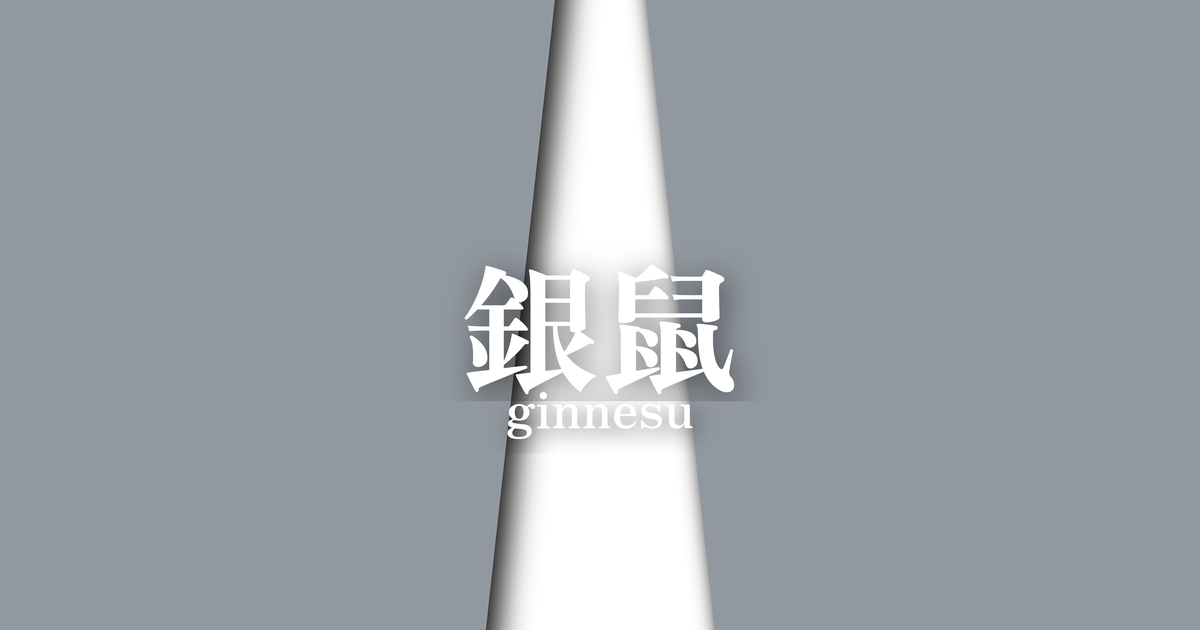
| Japanese color name | silver mouse |
|---|---|
| reading | ginnesu |
| season | Miscellaneous (year-round/celebratory) |
| Color of the table | Silver Gray (ginnezumi) |
| Back color | White (shiro) |
What is "Ginnezumi"? Origin and etymology
Ginnezumi is a light gray with a silvery sheen, and as the name suggests, it is a color that gives off an elegant, silvery luster. This color name is said to have become commonly used from the mid-Edo period onward, making it a relatively new traditional color. At that time, the use of flashy colors was restricted by the shogunate's sumptuary laws, so people found subtle differences in sắc thái (subtle nuances) within muted colors such as brown and gray, and cultivated a refined sense of aesthetics.
Among the diverse range of gray colors, often referred to as "forty-eight shades of brown and one hundred shades of gray," silver-gray became particularly popular as a stylish and sophisticated color.
The "silver-gray" color combination in traditional Japanese kimono layering involves using silver-gray for the outer layer and white for the inner layer. Unlike many color combinations from the Heian period that depicted plants and flowers of specific seasons, this combination expresses an abstract image associated with the colors. This combination, which gives a pure and noble impression, was considered a "miscellaneous" color combination that could be used regardless of the season, and it is said to have been particularly favored for formal occasions such as celebrations. Its refined color scheme symbolized the sophisticated aesthetic sense of Edo.
The historical background of silver gray
The "layered color combinations" that flourished in the aristocratic society of the Heian period were the culmination of a culture that incorporated natural scenery into clothing. However, the color name and concept of "silver gray" did not yet exist at that time. In the Heian period, gray tones were called "dull gray" and were often treated as colors of mourning, which is different from the bright and sophisticated image that silver gray has.
Silver-gray became popular in the mid-Edo period. Following sumptuary laws, an aesthetic called "iki," which found beauty in subdued colors, emerged among townspeople and samurai. Silver-gray was a prime example of this, frequently used in kimonos and haori jackets, and can be seen in ukiyo-e prints. Though understated, silver-gray changed its appearance depending on the light, and it was a color that well represented the temperament of the people of Edo, who were particular about their inner qualities.
Related literature, waka poetry, and seasonal words
The color name "silver-gray" does not directly appear in classical literature from the Heian period, such as "The Tale of Genji" or "The Pillow Book." In literary works of that time, gray clothing was mainly described as "dull gray" or "gray," and was generally associated with scenes of sadness or loss. For example, in "The Tale of Genji," Hikaru Genji wears a dull gray garment when mourning his father, the Emperor.
On the other hand, in Edo period literature and culture, silver-gray appears as a sophisticated color. It is thought that silver-gray kimonos were effectively used to depict the attire of dapper men and stylish geishas in humorous novels and sentimental novels. This indicates that silver-gray was not merely a plain color, but was recognized as a color that symbolized refined, urban sensibilities.
Silver-gray season and scenery
The layered color combination "silver gray" is classified as "miscellaneous," meaning it is not limited to a specific season and can be worn year-round. The combination of silver gray and white evokes the crisp winter air, a landscape lightly covered in snow, or the pure moonlight. Its serene and clear atmosphere gives the viewer a dignified impression.
Possessing a timeless beauty that transcends seasons, this color scheme was particularly valued for celebratory occasions and ceremonial events. Understated yet conveying dignity and purity, this color combination elevates the attire of special occasions with refinement. Even today, it remains a suitable color for formal occasions, incorporated into kimonos, dresses, and various other designs.
Silver-gray color scheme proposal
Navy blue (#223A55)
The deep navy blue tightens the cool and intellectual impression of the silver-gray. This color combination conveys calmness and trustworthiness, and was also seen in the formal attire of samurai during the Edo period. It is suitable for business settings and formal designs.
Crimson (#D7003A)
The vibrant red adds a touch of elegance and vitality to the achromatic silver-gray. This creates a modern and striking contrast, perfect for celebratory occasions. It's also effective when used as an accent in accessories.
Young bamboo green (#78B459)
The quiet, silvery-gray tones are complemented by the bright, fresh green of young bamboo, creating a vibrant and invigorating feel. This color scheme evokes the budding of early spring and the lush beauty of a bamboo grove, giving it a natural yet sophisticated impression. It's suitable for both Japanese and Western-style interiors.
Practical Scenes
In traditional Japanese attire, silver-gray was a popular choice among samurai and wealthy townspeople during the Edo period, considered a stylish and sophisticated color. It was particularly used for haori jackets, kimono fabrics, and hakama trousers, and its understated hue demonstrated refined taste. In modern Japanese clothing, it is worn as a formal visiting kimono, semi-formal kimono, and solid-colored kimono, and is also incorporated into accessories such as obi sashes, obi ties, and han-eri collars, adding elegance to the overall look.
Silver gray is widely used in contemporary design. In interiors, incorporating it into wallpaper and fabrics can create a modern and minimalist space. In web and graphic design, using it as a background color helps to enhance other colors and convey a sense of luxury and reliability. Due to its versatility, it is a valuable color for creating a sophisticated atmosphere in various settings.