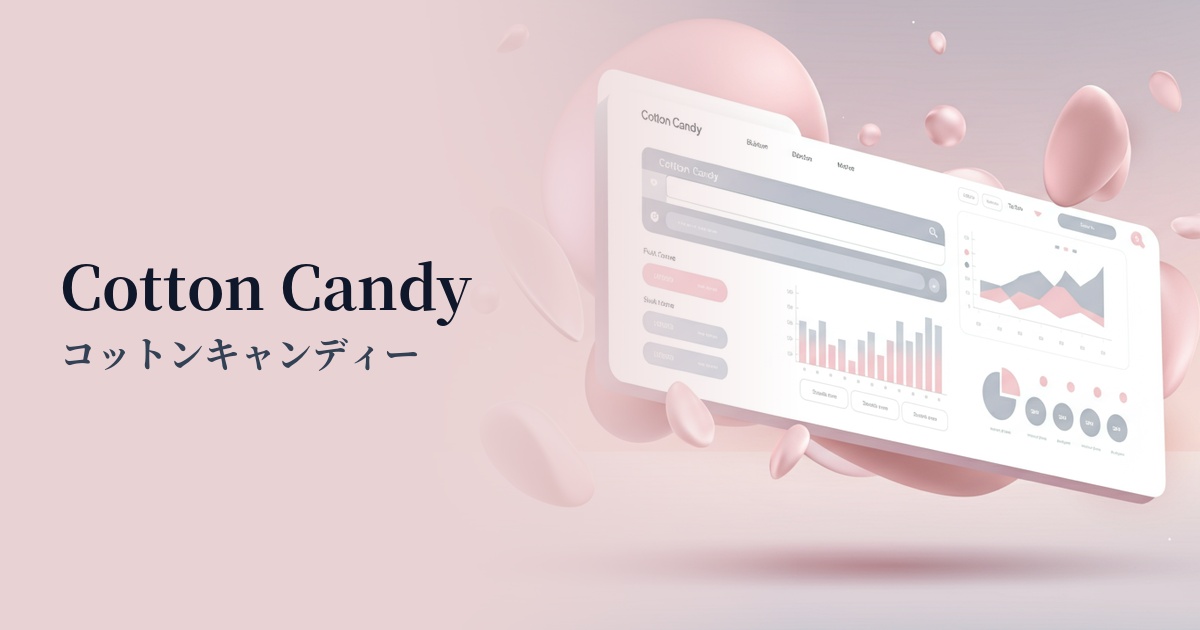
| English name | Cotton Candy |
|---|---|
| Katakana | Cotton candy |
| HEX | #FFC1D6 |
| RGB | 255, 193, 214 |
| Design Theme | Pastel & Macaron Colors |
Why is it a trend? (Background and reasons)
The bright, gentle pastel colors, reminiscent of cotton candy, are deeply intertwined with the Y2K fashion and culture revival. Fresh for digital natives and nostalgic for millennials, these hues evoke nostalgic and positive emotions, bringing playfulness and approachability to modern web design.
Amidst rising social anxieties, users are increasingly seeking solace and comfort in the digital realm. Cotton Candy's soft and soothing atmosphere reduces users' psychological burden and provides a relaxed browsing experience. It is particularly effective in services related to mental health and wellness.
As a reaction against the prevailing trend of minimalist and clean designs, there is a growing focus on more emotionally rich and humanistic expression. This color is being chosen by many creators as a powerful tool for emotionally conveying a brand's personality and story, and deepening engagement with users.
The psychological effects of design and UX
Cotton Candy, as its name suggests, evokes the image of cotton candy, conveying sweetness, happiness, fun, and a touch of dreaminess. This innocent and gentle impression helps to disarm users' apprehension and create a positive first impression.
In UI/UX design, this color can be expected to lower the psychological barrier to user interaction. For example, using this color as an accent on complex settings screens or form input pages can alleviate the perceived formality of the task and support users in engaging with it positively.
On the other hand, the "youthfulness" and "sweetness" of this color may not always align with the brand image or target audience. For example, excessive use in fields requiring reliability and gravitas, such as finance or law, could give a frivolous impression. It is important to consider the overall balance and use it strategically.
Visibility testing (UI component example)
Practical usage (best practices)
By boldly using this color as the main color for websites targeting a specific demographic, such as cosmetics, sweets, baby products, or fashion brands aimed at Gen Z, you can strongly impress upon users the brand's world. Using it in backgrounds or key visuals creates an immersive experience.
For websites targeting a broader audience, using accent colors is effective. By limiting its use to CTA buttons, icons, link text, and tags, you can add vibrancy and approachability to the overall design while effectively highlighting important elements.
Using this color in SaaS dashboards and applications for notifications prompting user action or for positive feedback (e.g., "Task complete!", "Goal achieved!") can boost user motivation and create a sense of satisfaction in continuing to use the service.
Combining it with very light gray or clean white and using it as the background color for content areas is another option. This allows you to maintain text readability while giving the entire page a soft, warm feel.
Recommended color scheme suggestions
Steel Blue (#4682B4)
Combining sweet, soft cotton candy with intelligent, calming steel blue creates a modern and sophisticated impression, toning down any childishness. It also fosters a sense of trust, making it ideal for the UI of creative SaaS and new technology services.
Sage Green (#B2AC88)
By combining it with earthy sage green, the artificial sweetness of cotton candy is neutralized, resulting in a natural and organic feel. It's perfect for lifestyle brands and websites showcasing wellness and sustainable products.
Marigold (#EAA221)
Adding bright and energetic marigolds further enhances the fun and happiness associated with cotton candy. The result is a pop and playful design that will add an attractive touch to event announcement websites and the UI of children's services.