
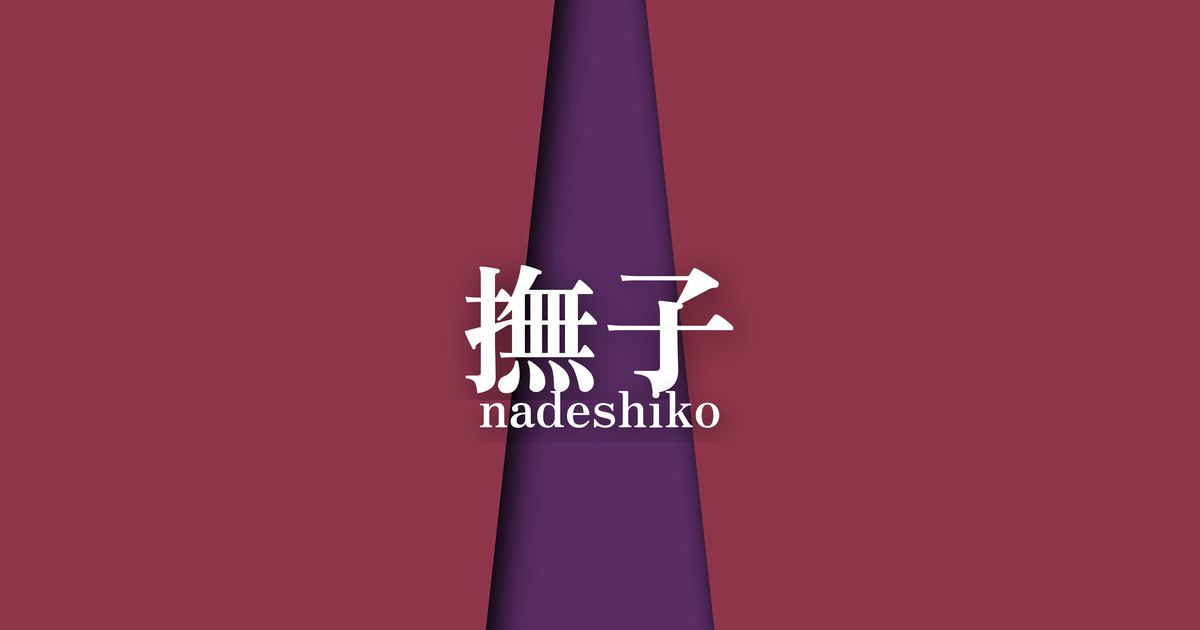
| Japanese color name | Nadeshiko |
|---|---|
| reading | nadeshiko |
| season | 夏 |
| Color of the table | Suou |
| Back color | Purple (murasaki) |
What is a Nadeshiko? Origin and etymology
The layered color combination "Nadeshiko" derives its name from the Nadeshiko flower, a plant that blooms with delicate flowers from summer to autumn. The sappanwood used for the outer layer is said to represent the deep crimson of the Nadeshiko's petals, while the purple lining represents the greenish shadow of the leaves and stems. This color scheme symbolizes the refined aesthetic sense of the Heian period aristocracy, who skillfully incorporated the colors of natural plants and flowers into their attire.
It is one of the color combinations that originated in a culture that keenly perceives the changing seasons and expresses them through the colors of clothing.
The historical background of the carnation
The pink color of the carnation was primarily used in the Heian period court society as a layering color for the uchiki, a type of women's attire. It was especially favored as a color scheme to brighten the summer season and played an important role in the aristocratic culture of the time, which valued a sense of the seasons. Its name is also recorded in the "Masasuke Shōzoku Shō," a book on the customs of clothing believed to have been compiled during the Kamakura period, suggesting that it is a historically significant color that has been passed down for generations.
The ladies-in-waiting of the imperial court expressed their refinement and aesthetic sense by wearing colors that mimicked seasonal flowers and plants.
Related literature, waka poetry, and seasonal words
The pink carnation has been loved in Japan since ancient times and appears in many literary works. In the Manyoshu, Yamanoe Okura wrote about it as one of the seven autumn flowers, and in The Pillow Book, Sei Shonagon wrote, "Among the flowers of the grass, the pink is the most beautiful. The Chinese variety is especially lovely, but the Japanese variety is also very beautiful," praising its beauty. In The Tale of Genji, there is a scene where Hikaru Genji compares the elegance and beauty of his adopted daughter Tamakazura to the pink carnation, and it is depicted as a symbol of a noble and lovely woman.
These literary backgrounds give the pink color of the carnation an elegant and narrative image.
In the autumn field, the pinks bloom; I am reminded of the wondrous age of the gods.
The season and scenery of carnations
The pink color scheme of the kimono is said to have been primarily worn in the summer, especially around the sixth month of the lunar calendar. The sappanwood color on the outside symbolizes the vibrant color of the pink flower blooming under the strong summer sun, expressing a sense of vitality and the season. On the other hand, the purple on the inside evokes the coolness of the shade of flowers or the twilight, adding a touch of coolness to the hot season.
This contrasting color combination beautifully captures a scene from midsummer, conveying to us the refined lifestyle of Heian-era aristocrats who enjoyed the changing seasons through their attire.
Nadeshiko's color scheme proposal
White training (#FFFFFF)
This color scheme enhances the vibrant color of the carnation, adding a sense of cleanliness and coolness. In summer attire, white is a symbol of purity, and when combined with this color, it gives an impression of formality.
Light green (#A9D159)
It evokes the colors of carnation leaves and stems, creating a natural harmony of colors. It gives a youthful and refreshing impression, allowing for a richer expression of the vibrant scenery of summer plants.
Golden (#E6B422)
It pairs well with noble colors such as sappanwood and purple, adding splendor and elegance. This color was frequently used in Heian period clothing and furnishings, effectively creating a refined atmosphere.
Practical Scenes
In modern times, the color of the pink carnation is used in kimonos and Japanese accessories to incorporate a sense of the season. In particular, using this combination for summer kimonos, yukata sashes, and obi ties creates a stylish and sophisticated look. Furthermore, in interior design, incorporating it as an accent color in cushion covers, noren curtains, and wallpaper can create a calm and modern Japanese space.
In web design and product packaging, this color scheme, which evokes a sense of traditional Japanese beauty, is effectively used in situations where elegance and femininity are desired.